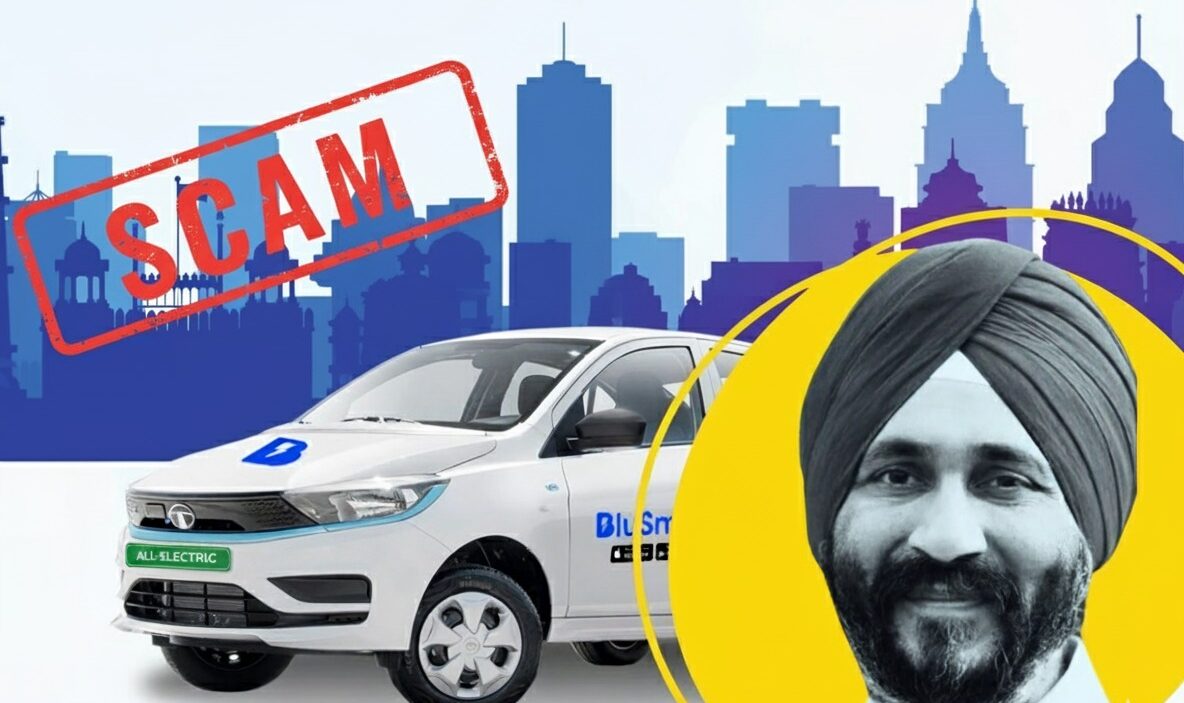
BluSmart, once a leading electric ride-hailing startup in India, has officially ceased operations, leaving customers and employees grappling with unresolved financial issues. The company confirmed in a post on its official X (formerly Twitter) account that it has been non-operational since February 2025, citing alleged fraudulent activities by its founders and warning users not to expect refunds for remaining wallet balances. Employees, meanwhile, report unpaid salaries spanning several months.
Founders Accused of Financial Misconduct
BluSmart’s abrupt closure arrives as serious allegations against its founders have surfaced. In April, the Securities and Exchange Board of India (SEBI) issued an interim order alleging co-founder Anmol Singh Jaggi diverted funds intended for electric vehicle projects for personal use, purchasing, among other things, luxury continuous properties. His brother and co-founder Puneet Singh Jaggi was also barred by SEBI from holding any key managerial positions.
These actions raised significant concerns about corporate governance and transparency within BluSmart and its affiliated companies, including Gensol Engineering, where the Jaggi brothers held senior leadership roles.
Insolvency Proceedings Begin
Following the SEBI allegations, BluSmart entered insolvency proceedings in July 2025. The National Company Law Tribunal (NCLT) admitted a petition filed by financial creditors citing unpaid dues of approximately ₹1.28 crore (roughly $147,500). The Corporate Insolvency Resolution Process (CIRP) was initiated to assess the company’s liabilities, recover assets, and determine possible restructuring or liquidation.
The appointed Interim Resolution Professional (IRP) is currently managing the process, which will involve settling claims from creditors, employees, and other stakeholders.
Also Read: From Local Kitchens to Global Cloud: The Petpooja Story
Customers Left Without Refunds
After the company went bankrupt, customers with remaining wallet balances have taken to social media to express their frustration at not receiving the promised 90-day refunds. Some users reported getting their money back through credit card chargebacks, which is one of the only ways they can get their money back. The uncertainty about a process from the company has created anxiety about whether customers’ payments for rides and services will be refunded.
Employees Affected by Salary Defaults
BluSmarts shutdown hit a lot of employees hard in the wallet. You know, reports are coming out now about how several months worth of salaries just havent been paid yet. That leaves folks hanging, not sure if they even have jobs anymore or what comes next for them. Industry folks who know this stuff say it really drives home the point. Startups have to get their financial side locked down tight. And they need real protections for workers too. All that especially when theyre scooping up big funding rounds.
The Impact on India’s EV Ecosystem
Initially valued at over $100 million in funding and claiming more than 10 million electric rides under its belt, BluSmart shuttered abruptly. This closure not only has a series of ramifications on stakeholders that directly tied to the brand, but it also begs bigger questions about accountability in India’s fervently expanding electric mobility space.
Analysts note that while the EV ride-hailing market continues to expand, BluSmart’s failure serves as a cautionary tale for investors, regulators, and consumers about the risks of inadequate governance and fund mismanagement.
Lessons for Startups and Investors
The BluSmart story reinforces the significance of corporate governance, transparency, and compliance for hyper-growth and the sake of fast-growing companies. While India continues to onboard its emerging electric vehicle (EV) ecosystem, the failure serves to further reinforce that having a heightened emphasis on management controls is to ensure customer deposits, employee rights, and investor satisfaction.
As of now, the legacy of BluSmart’s groundbreaking founding in India’s electric mobility sector is compromised by the controversy surrounding its founders and constraints on accessing its financial resources – leaving everyone from the taxpayer to the employee eager for some resolution around who has access to refunds, salaries, or other possible company assets.
Also Read: Startups Skyrocketing in India, Is AI the Secret Weapon?