Bengaluru-based Lo Foods is building a portfolio of low-carb, protein-rich and diabetic-friendly foods that fit squarely into Indian eating habits, parathas to atta, namkeens to breads, without asking consumers to trade taste for health. Founded in 2019 by Sudarshan Gangrade, whose earlier venture was the nutrition consultancy LeanScience, Lo Foods was conceived to make diet-based health transformation reliable, effortless and enjoyable for 100 million Indians.
Story Of Lo Foods: from consultancy to “functional foods”
Lo Foods launched in August 2019 as Gangrade’s second act in the health and fitness space. The company’s early thesis was simple but ambitious: India doesn’t need boutique “diet food”; it needs familiar formats, rotis, snacks, cookies, reformulated with science to lower carbs, add protein and support diabetic management.
That positioning placed Lo Foods in the slipstream of India’s organised snacking opportunity, which its founder has pegged at tens of thousands of crores, and in direct comparison with mass favourites like Haldiram’s and Britannia, albeit with a functional twist.
Brands and what they solve
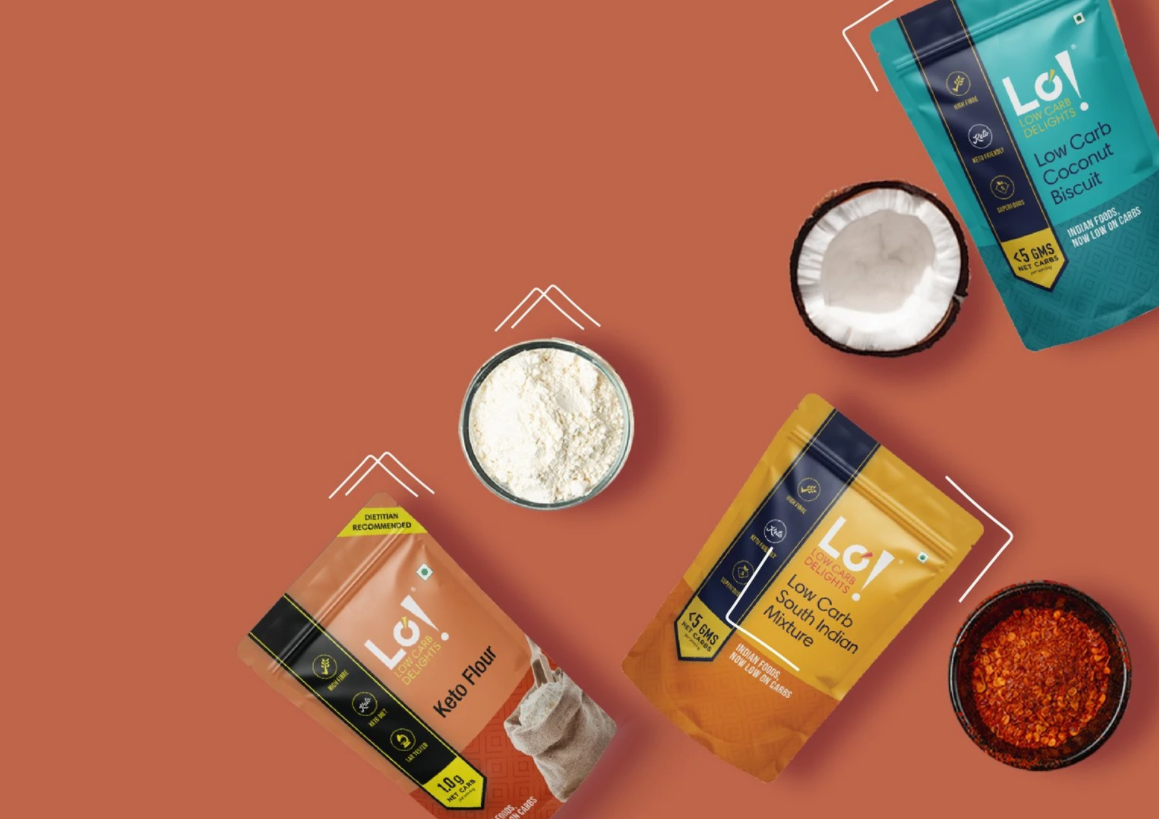
Guided by that mission, Lo Foods today operates three consumer brands:
- Keto Smart – low-carb products tailored to the keto lifestyle
- Protein Chef – everyday vegetarian protein for the family
- DiabeSmart – reformulated staples that make daily eating compatible with better diabetes management
Each line keeps to Indian formats first, ingredients and macros second, an approach designed to reduce friction for households that want healthier choices without re-learning the kitchen.
Experiments in distribution: the cloud-kitchen chapter
Well before today’s quick-commerce boom, Lo Foods tested demand with prepared low-carb meals. In 2021, the company operated around 20 cloud kitchens across Bengaluru, Delhi, Gurgaon and Hyderabad and spoke of plans to enter Mumbai and Pune, selling keto-friendly parathas, rolls and sandwiches through delivery apps. It was an early sign that the startup would go wherever Indian consumers were already ordering food, so long as the format stayed familiar.
Protein Chef becomes the growth engine
In the past year, Protein Chef has taken centre stage. The brand’s momentum accelerated after Lo Foods went live on quick-commerce platforms, Blinkit in June, followed by Zepto and Swiggy Instamart, putting its high-protein atta, snacks, breads and savouries right alongside legacy staples.
Quick-commerce now accounts for roughly two-thirds of Lo Foods’ sales, a shift the company credits to instant gratification driving trials and share gains over incumbents. To support this, Lo Foods is investing in local warehousing, its tech stack and supply chain resilience, and is piloting offline retail in Bengaluru to widen distribution.
Funding and scale: a ₹30-crore catalyst
About a month ago, Lo Foods announced that it had raised ₹30 crore (≈$3.5 million) in a new round led by Rainmatter Health (Zerodha’s health initiative) and Capital Code, with participation from Mount Judy Ventures, Ice.VC, KPB Ventures and others.
True to the brand’s flair for consumer storytelling, the company marked the milestone with a video rather than a dry press note. The capital is earmarked to scale Protein Chef, expand warehousing, and build the brand in both online and offline channels. As of that funding update, Lo Foods said it was nearing ₹100 crore in ARR, underscoring how mainstream protein-enriched staples are becoming for Indian households.
Also Read: LeafyBus Nets $4.1M to Power Intercity EV Expansion
Product + placement: why the strategy resonates
Lo Foods has consistently married format familiarity with scientific formulation, a protein bread that toasts like regular bread, a diabetic-friendly atta that rolls into soft rotis, a low-carb snack that scratches the same namkeen itch.
Paired with the right channel, 10-minute delivery shelves where discovery sits next to Britannia, the proposition reduces the “switching cost” for consumers who want to eat better but won’t compromise on taste or convenience. Investors say that combination of science and everyday formats is what makes Lo Foods a credible scale story in food and health.
The competitive lens
The company isn’t trying to out-gourmet legacy snacking; it’s re-engineering staples for health outcomes in a market that’s both massive and habit-driven. That means competing on availability and price perceptions as much as on macros.
The quick-commerce shelf presence helps on availability; the brand-building and offline pilots aim to narrow the gap on recall and trust, especially important for categories like diabetic management, where credibility is earned over time.
What to watch next?
- Protein Chef’s runway: Watch for a broader assortment of protein-fortified staples and snacks and deeper penetration across quick-commerce dark stores and modern retail.
- Supply chain footprint: Expect more localised warehousing to tighten replenishment cycles as volumes rise.
- Offline pilots: Early retail tests in Bengaluru will indicate how easily the proposition travels beyond the app grid.
Lo Foods is attempting something deceptively hard: make healthier eating feel normal. By keeping Indian formats front and centre and using channels that remove friction from trial, the startup has carved a distinct niche in functional foods. With fresh capital and Protein Chef as its spearhead, the company is positioned to push deeper into homes that want better macros without changing what’s on the plate.
Also Read: Which Indian Superfood Will Go Global Next?