On India’s busiest aviation corridor, the next big disruption may not come from an airline seat sale or a new route map. It may come from the ground, at terminals designed to make airports feel less like bottlenecks and more like destinations.
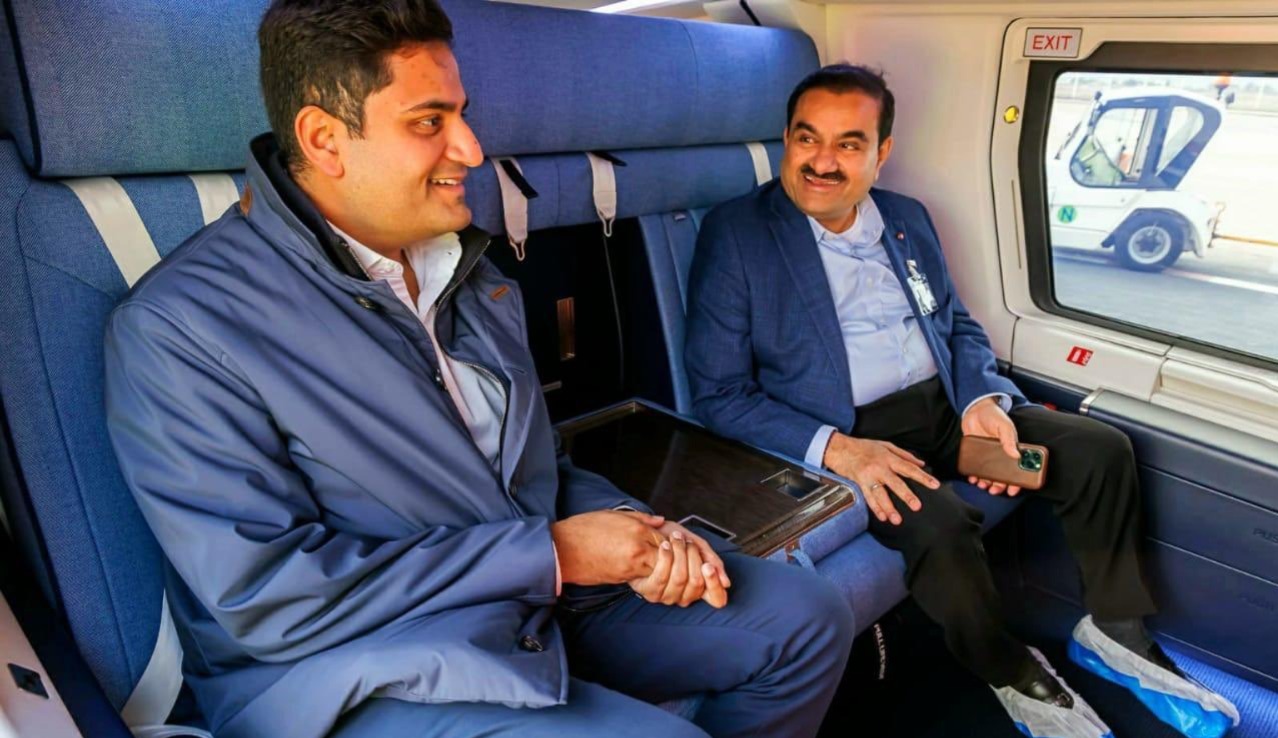
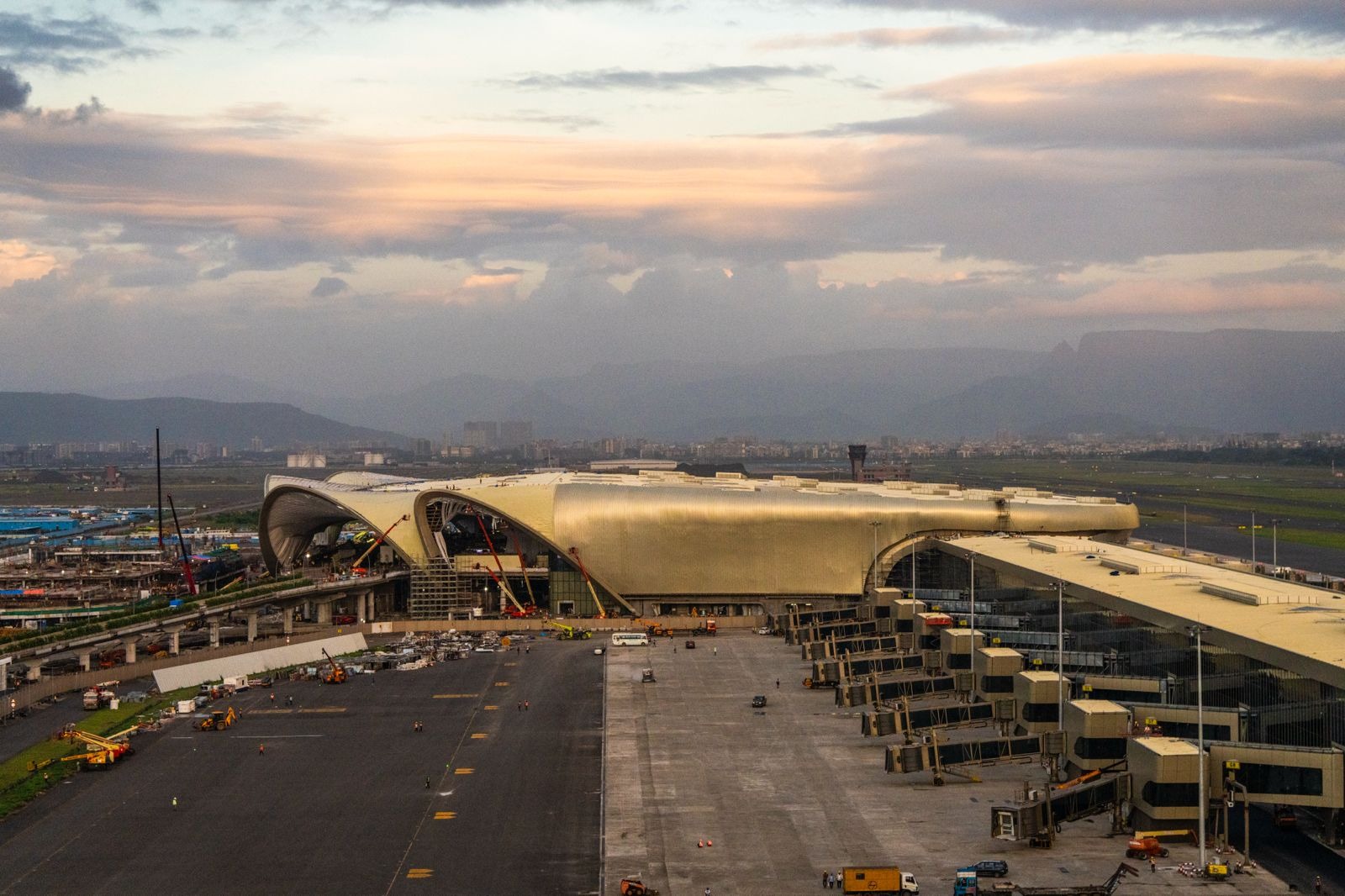
That is the direction Jeet Adani, director at Adani Airport Holdings, has been signalling as the Adani Group prepares to operationalise the Navi Mumbai International Airport (NMIA) and scale up its airports footprint.
The blueprint is clear: build capacity to absorb India’s demand surge, redesign the passenger journey to reduce friction, and surround airports with an ecosystem of hotels, food, retail and events that changes what “going to the airport” means.
A new airport as a test case: real-time baggage tracking, food at every price point
At NMIA, some of the most tangible “passenger experience” changes are designed to show up in moments flyers routinely complain about: waiting, uncertainty and lack of choice.
Among the upgrades planned is an advanced baggage-tracing system that lets passengers track their luggage in real time, turning the baggage carousel from a black box into something closer to a trackable delivery.
And it is quite heartening to see how food too is soon going to become a part of the airport, and no longer relegated to a mere afterthought. The proposed culinary offer includes a range of culinary options and price points, right from a ₹40 Vada Pav to a Michelin-star meal, a token attempt to cater to the common commuter as well as the international traveler, without fragmenting the airport into separate worlds.
These are small details on paper, but the experience is what determines how travelers rate an airport. It is the predictability of the experience, the speed with which decisions are made, the waste of time.
The Mumbai problem Jeet Adani keeps returning to: Capacity, not Convenience
The passenger experience argument, in Adani’s framing, starts with a harder truth, Mumbai’s growth has been throttled by the airport’s inability to expand meaningfully for years.
According to Jeet, the fact that the current airport in Mumbai has two intersecting runways means that the airport can only handle one operational runway because the other one will be obstructed when both runways are used.
His comparison is blunt: global hubs don’t run on a single constrained airport. He has argued Mumbai should be benchmarked against London, which operates five airports, and said Mumbai needs five airports “in Mumbai itself,” noting the city’s airport capacity has been “stuck at 55 million” passengers for a decade.
The implication was strategic, with long-haul internet connectivity expansion going elsewhere because Mumbai could not scale quickly enough, an observation that he supported by citing diferences between what Mumbai could have directly connected versus what Delhi arranged.
The transition plan: split traffic, unify pricing, go 24/7, then expand
NMIA is being framed as both relief valve and growth engine. A key operational move under discussion is shifting select peak-hour flights from Mumbai’s capacity-constrained single-runway operations to Navi Mumbai to ease congestion.
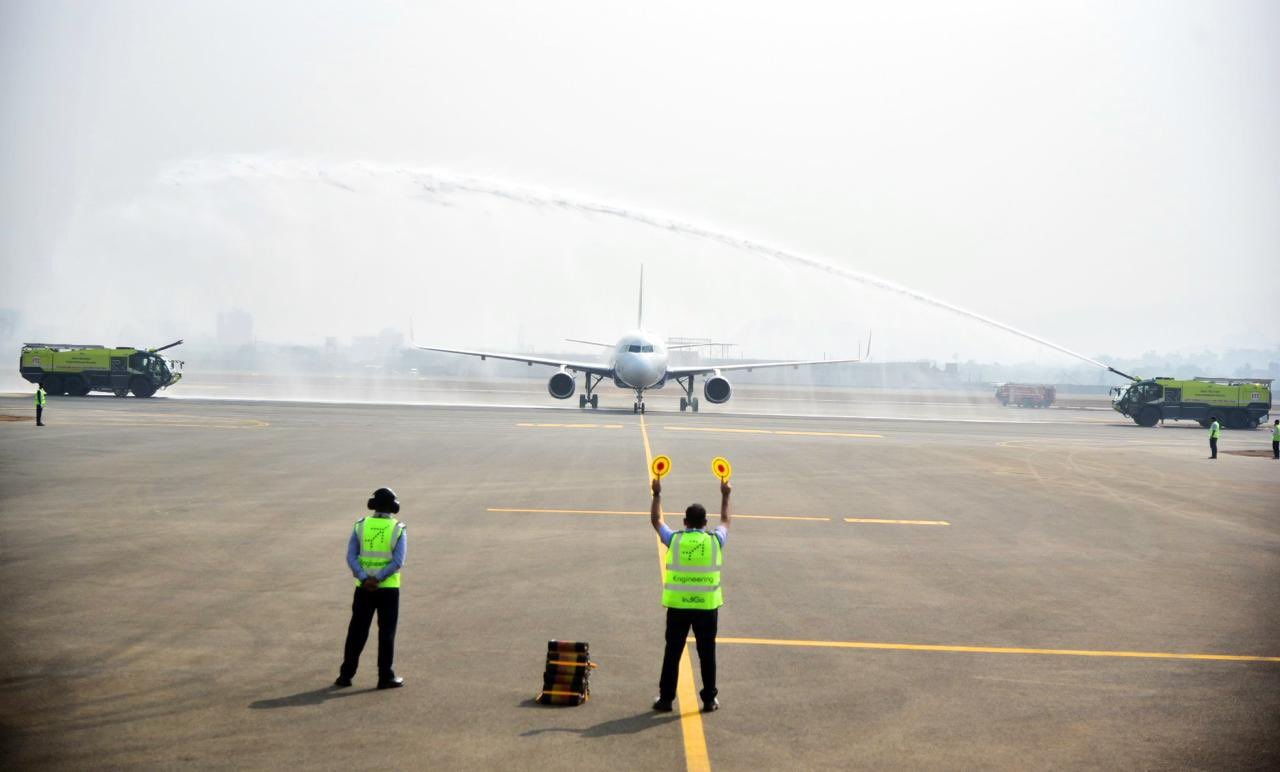
For passengers, an early pain point is cost: NMIA is expected to begin with a higher user development fee than Mumbai’s current airport, pushing per-ticket costs up by “several hundred rupees” initially. The group’s answer is to push for a unified tariff across the two airports; Jeet Adani has said work is underway on that, with in-principle approval from the regulator.
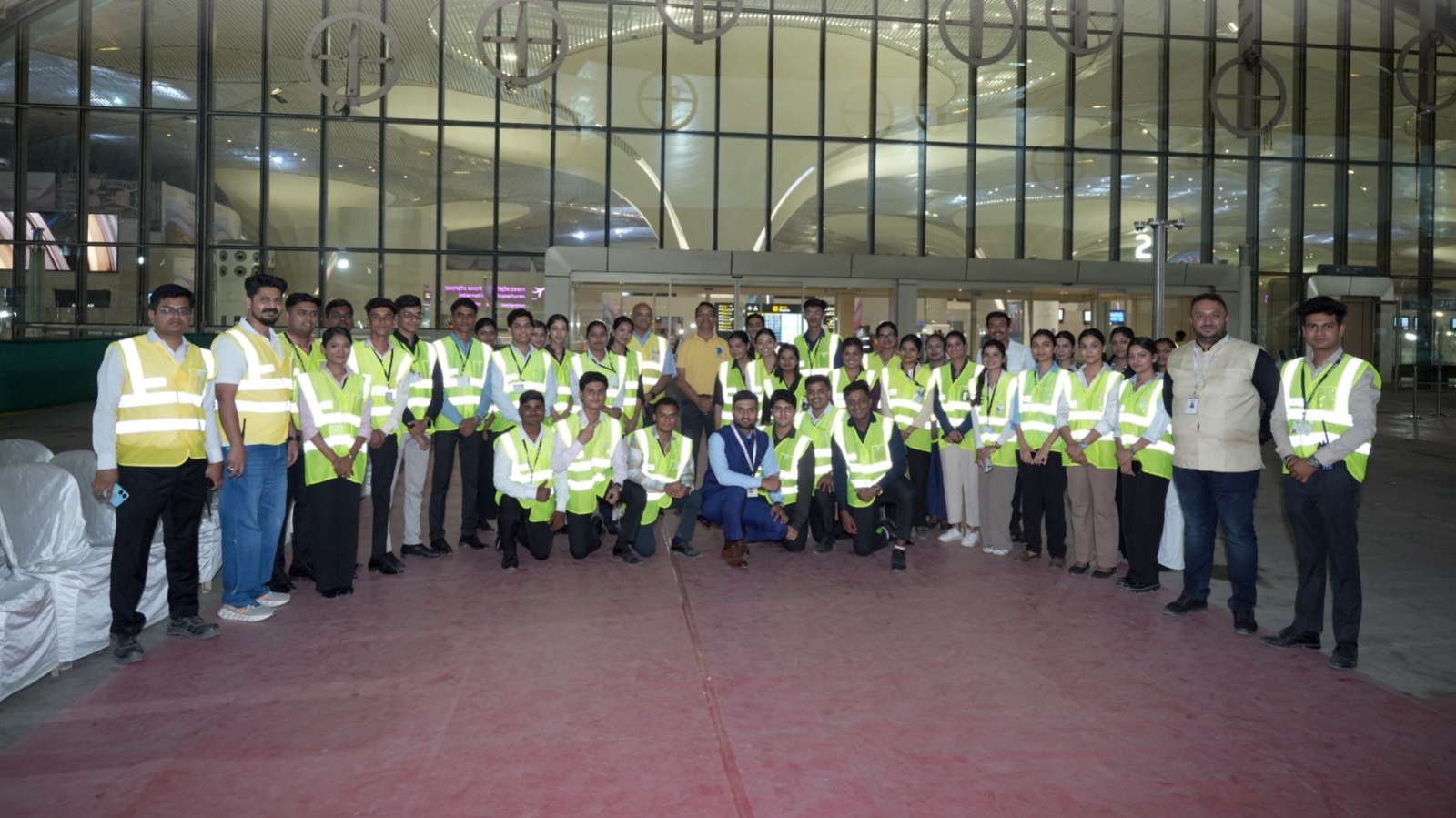
Operationally, NMIA is planned to start with limited operations, move to 24/7 by February, and begin international flights in March.
Longer-term, he has indicated that Mumbai’s Terminal 1 would be rebuilt after 2030, signalling the group is thinking in decades, not just a launch cycle.
“Resilience” as the new airport metric
In parallel, Jeet Adani has been pushing a theme that goes beyond airport aesthetics: resilience.
He has described aviation as a “fragile ecosystem” where small issues can snowball quickly, and argued that building resilience is now as important as adding capacity.
In this view, new airports are not merely growth projects, they are shock absorbers. Added infrastructure, he has said, helps reduce pressure during disruptions and allows the system to “absorb shocks better.”
It is also a way to explain the urgency behind expansion: passenger demand is already outpacing capacity, he has noted, while aircraft orders by Indian airlines are rising sharply, signals that the current strain will not ease on its own.
The “airport city” play: hotels, events, retail and a reason to arrive early
The most ambitious part of the plan is not inside the terminal, it’s around it.
By 2030, NMIA is planned to feature a ₹50 billion “Aero City” with 20 hotels and a monorail, tying the airport to a larger commercial district model.
This fits a broader Adani strategy: convert airports into multi-use urban hubs with hotels, lounges, retail, and events infrastructure, so revenue is not primarily dependent on aeronautical fees like landing and parking charges.
In the group’s hospitality push anchored around airports, Navi Mumbai alone is planned to host about 15 hotels. And beyond Navi Mumbai, the plan described is larger: more than 60 hotels across India, primarily linked to airports and large real estate projects.
Events are central to that “airport district” thesis. Plans include a major convention centre in Mumbai and a 25,000-seat arena at Navi Mumbai, assets meant to drive steady demand for nearby hotels, restaurants and transport services.
Why Adani isn’t chasing an airline and what it is chasing instead?
A frequent market question has been whether Adani’s aviation ambitions eventually extend to starting an airline. Jeet Adani has been unequivocal: the group has “no plan” to enter airlines, describing airline economics as the opposite of the high-margin, asset-sweating businesses the group is used to.
Instead, the expansion is being routed into infrastructure and aviation services. The airports unit has laid out spending of ₹1 trillion (about $11.1 billion) on terminals, runways, aircraft-handling facilities and passenger amenities.
It is also looking beyond the passenger terminal: plans include bidding for state-owned AI Engineering Services Ltd to capture heavy maintenance and engine overhaul work that currently goes overseas, and exploring aircraft manufacturing through partnerships.
The business roadmap behind the passenger story: IPO milestones, demerger talk, and cash-flow targets
Underpinning the “experience” narrative is a corporate one: scale, capital, and how the airports business is structured.
Jeet Adani has said an IPO is being prepared for the year ending March 2028, likely via spinning off the airports unit from Adani Enterprises, and he has expressed a preference for a demerger route to unlock value.
He has also laid out milestones: successful operations at Navi Mumbai, completion of surrounding commercial development, and financial self-sustainability.
Financially, he has said the unit is EBITDA positive but not yet cash-flow positive, with an expectation of reaching cash-flow positive within the next three years.
And on footprint, the ambition is to widen: Adani Airport Holdings operates seven airports and is targeting 11 more airports slated for privatisation.
What “transforming the flying experience” looks like in practice
For passengers, Jeet Adani’s airport thesis lands in three practical shifts:
- More predictability: real-time baggage tracking that reduces uncertainty and improves control at the journey’s most stressful endpoints.
- More capacity, fewer chokepoints: rebalancing traffic between Mumbai and Navi Mumbai, and building the redundancy that keeps disruptions from cascading.
- An airport that behaves like a district: hotels, events and mixed-use development that turn terminals into anchors of a larger ecosystem, changing not just the airport experience, but the reasons people spend time around airports at all.
If the model works, the airport stops being a stopover and starts becoming a node, where business travel, leisure, hospitality and city connectivity are designed as one system.
And that, more than any single feature, is the transformation Jeet Adani appears to be betting on.
Also Read: Inside Stimuler: The Indian Startup Taking Consumer AI Global