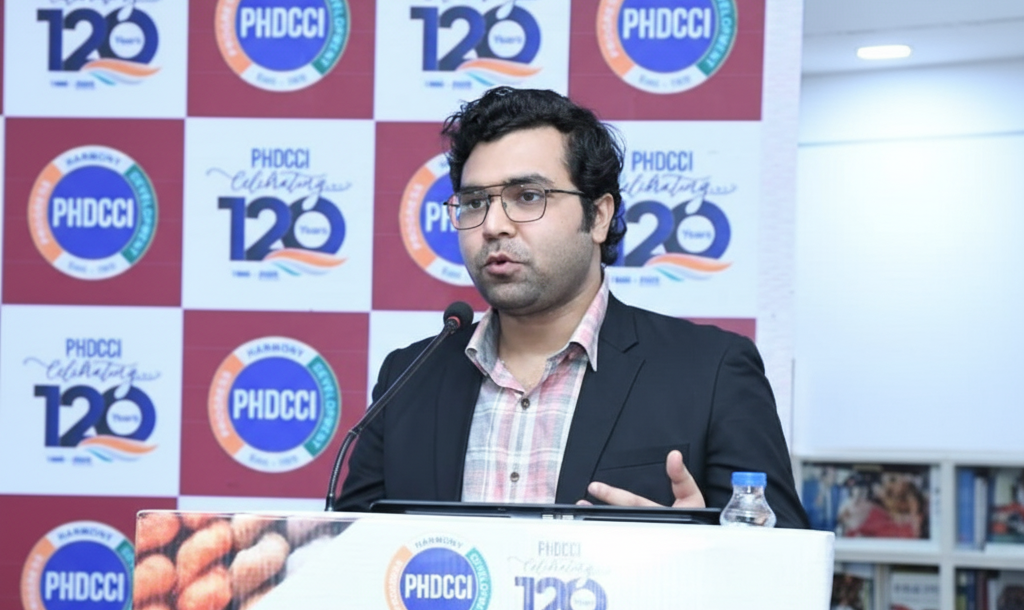
Startup strategist Yatee Gupta recently published a LinkedIn post warning of a rising scam in India’s deep-tech ecosystem. He describes a pattern where founders package ordinary businesses as technology startups, show patents that cannot be commercialized, and use PR and paid awards to secure investor funding and government support.
Gupta’s post portrays this not as isolated incidents but as a systemic problem threatening the credibility of the innovation ecosystem.
How Founders Are Gaming the System
According to Gupta, the “fake deep-tech” playbook is clear:
- Identify funding opportunities – spot where deep-tech, AI, or robotics startups attract capital.
- Rebrand ordinary businesses – label trading or manufacturing firms as tech-driven.
- Showcase non-commercial patents – use patents as proof of innovation, even if they cannot be scaled.
- Secure credibility – gain government support, VC funding, and ecosystem recognition.
- Amplify perception – invest in PR campaigns, awards, and influencer endorsements.
The result is a startup that looks impressive on paper but often sells ordinary commodities in reality.
Also Read: How Diwali Turned Into a ₹1.5 Lakh Windfall for You
Investors Trapped by Checklist
Gupta emphasizes that non-technical investors are particularly vulnerable. Many rely on checklists, patents filed, awards won, media mentions – instead of independently verifying technology.
Once capital is committed, investors often avoid raising doubts. Gupta notes this creates a cycle: “Investors convince themselves that dhandha > tech. They double down on PR to keep the illusion alive.“
The Ecosystem of Illusions
The post highlights a broader systemic issue:
- Founders craft the illusion to attract funding.
- Investors prioritize optics over accountability.
- Award bodies profit from sponsorships.
- Media outlets amplify claims without verification.
This ecosystem rewards appearance over substance, enabling surface-level innovation to thrive at the expense of genuine breakthroughs.
Who Really Loses? Innovation and Trust
Gupta warns the cost extends beyond misallocated money. True innovators lose visibility and funding to flashy but empty startups. Public grants meant for real R&D are misused, and overall trust in India’s innovation ecosystem erodes.
When these “patent parade” startups fail, skepticism spreads, investors, regulators, and entrepreneurs all bear the fallout.
A Stark Warning: “Winter Is Coming”
Gupta concludes his post with a blunt warning:
“If your investment decisions are running on checklists, brace yourselves. Winter is coming.”
The “winter” refers to the inevitable collapse of hype-driven startups. When it hits, illusions will crumble, and those who ignored substance over optics will face the consequences.
The Takeaway for Investors and Founders
Yatee Gupta’s post is a call to action: look beyond buzzwords and patents, demand reproducible demos, verify commercialization pathways, and question paid awards. The ecosystem must reward real innovation, not clever optics. Otherwise, the next “deep-tech delusion” may freeze the very spirit of progress.
Also Read: Europe’s most valuable startup: Revolut hits $75B