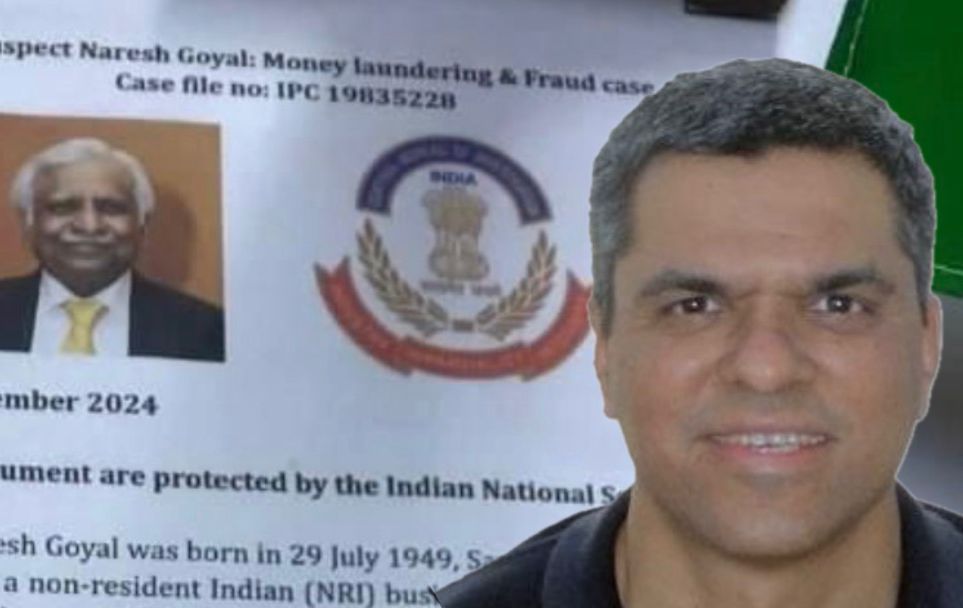
A 79-year-old woman from Punjab was allegedly confined to her home through a four-day “digital arrest scam” orchestrated by cybercriminals impersonating central investigative agencies. Under sustained pressure, threats and fabricated legal documents, she was forced to transfer her life savings, about ₹1.10 crore, into accounts now suspected to be part of a money-laundering network.
Her son, Amit Chopra, an IIT alumnus and strategic advisor, has made the case public, urging immediate intervention from the banking system before the funds disappear through layered transfers.
Scammers Used ‘Naresh Goyal Case’ Pretext, Fake Warrants to Create Fear
The victim reportedly received a call on December 2 from individuals claiming to be officials from central agencies. Over the next several days, the callers allegedly kept her connected through long video calls, some stretching to three to four hours. According to Chopra, up to five people appeared on these calls at times.
The scammers allegedly displayed forged warrants and invoked the ongoing investigations in the Naresh Goyal case to create a sense of impending arrest. Chopra said the callers threatened her with “consequences for her children”, pushing her deeper into fear and isolation.
The sustained psychological pressure left her believing she was under legal scrutiny and had no option but to comply with the callers’ instructions.
Money Moved Through RTGS to Four Accounts Over Three Days
Chopra said his mother transferred nearly her entire savings through RTGS transactions on December 4, 5 and 6, following directions from the callers.
The beneficiary accounts named by him are:
ICICI Bank
- A/c: 387605000324 – Exoticworld Housing Pvt Ltd
- A/c: 054405010972 – Track Mec Pvt Ltd
Indian Overseas Bank
- A/c: 045801000026507 – Sanjay Kumar Sharma
- Branch: Siliguri
Punjab National Bank
The victim’s home branch: Defence Colony, Jalandhar
Chopra has alleged that these accounts are being used as mule accounts, urging the banks to freeze them immediately.
Crime Cell Complaint Filed; Family Says Every Minute Matters
A complaint has been filed with the Crime Cell, with acknowledgement number 32512250039340. Chopra has appealed to all three banks involved to act swiftly, noting that the first few hours after identifying a fraud are often crucial to securing funds before they are moved further.
He has also questioned the operational due diligence of the beneficiary accounts, saying the institutions must examine “how these current accounts continue to function while being used for fraudulent inflows”.
Victim in Trauma; Case Highlights Rising Risk to Elderly
The prolonged intimidation has left the elderly woman in acute psychological distress. Already undergoing treatment for depression, she is now reportedly unable to process the events of the four days when she felt cut off from her family and convinced that non-compliance would lead to harm.
Chopra has urged families to remain alert to the growing sophistication of cyber fraud, especially those targeted at senior citizens who may not fully recognise digital threats or impersonation tactics.
‘Digital Arrest Scam’ Emerging as Serious Cybercrime Modus Operandi
The incident adds to a growing list of cases where scammers use video calls, legal jargon and forged documents to simulate a virtual interrogation or arrest. Cybercrime units across India have reported increasing instances of victims being told not to disconnect their phones, leave their homes or contact family members.
Experts say these cases point to a need for faster coordination between banks and law enforcement and for stronger monitoring of mule accounts used to route stolen funds.
A Warning for Families: Stay Connected, Stay Vigilant
Chopra has appealed to people to have open conversations with their parents about digital frauds and to closely monitor financial accounts where possible. He notes that even tech-savvy families are not immune to such scams, especially when the victim is elderly and isolated.
He has urged banks to respond “as if dealing with a medical emergency”, stressing that timely action may still help in blocking or recalling the funds.
Also Read: What Is the Difference Between a Startup and a Business?