

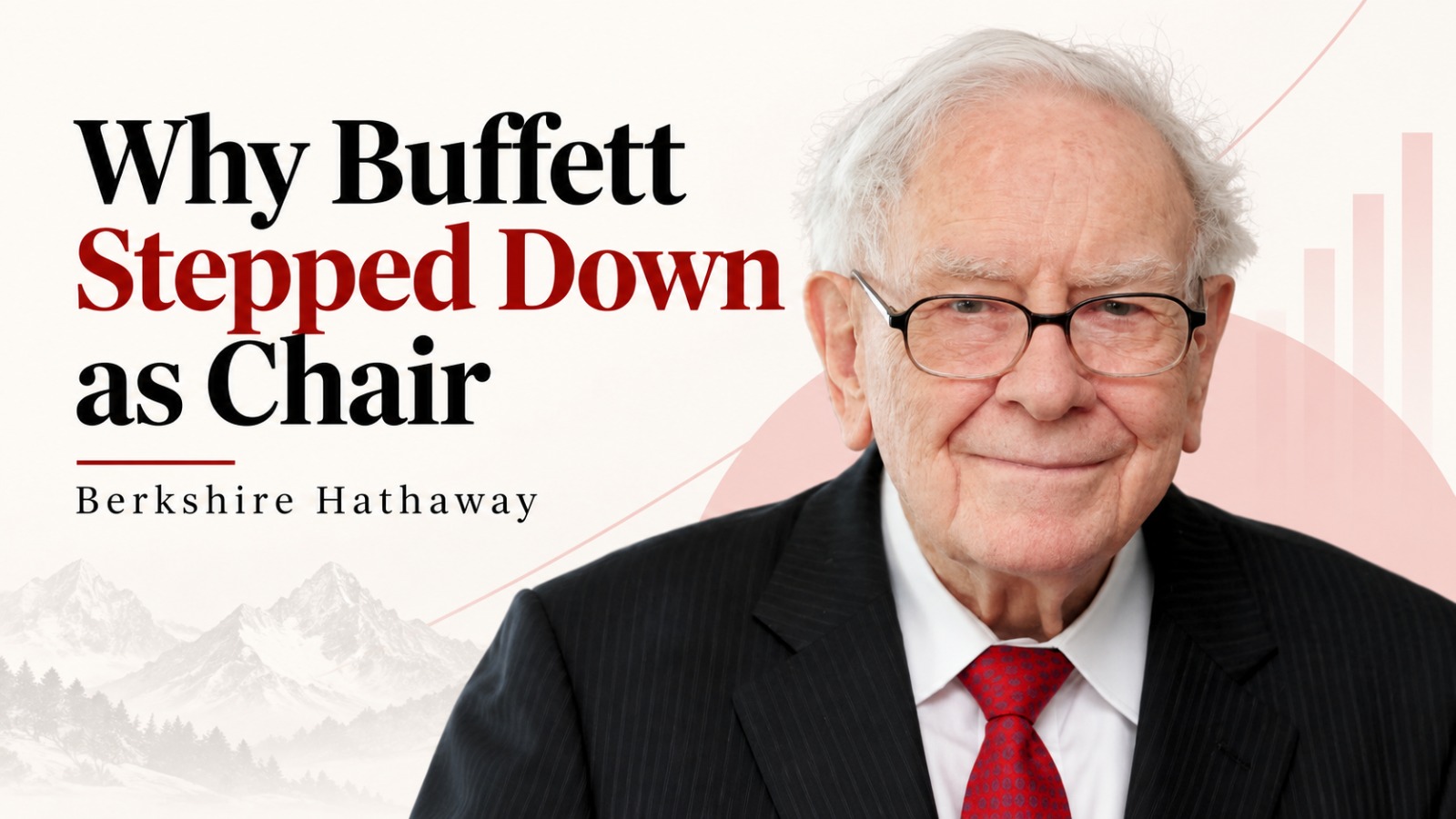
Warren Buffett has stepped down as chairman of Berkshire Hathaway, bringing another major chapter of his decades-long leadership of the company to a close.
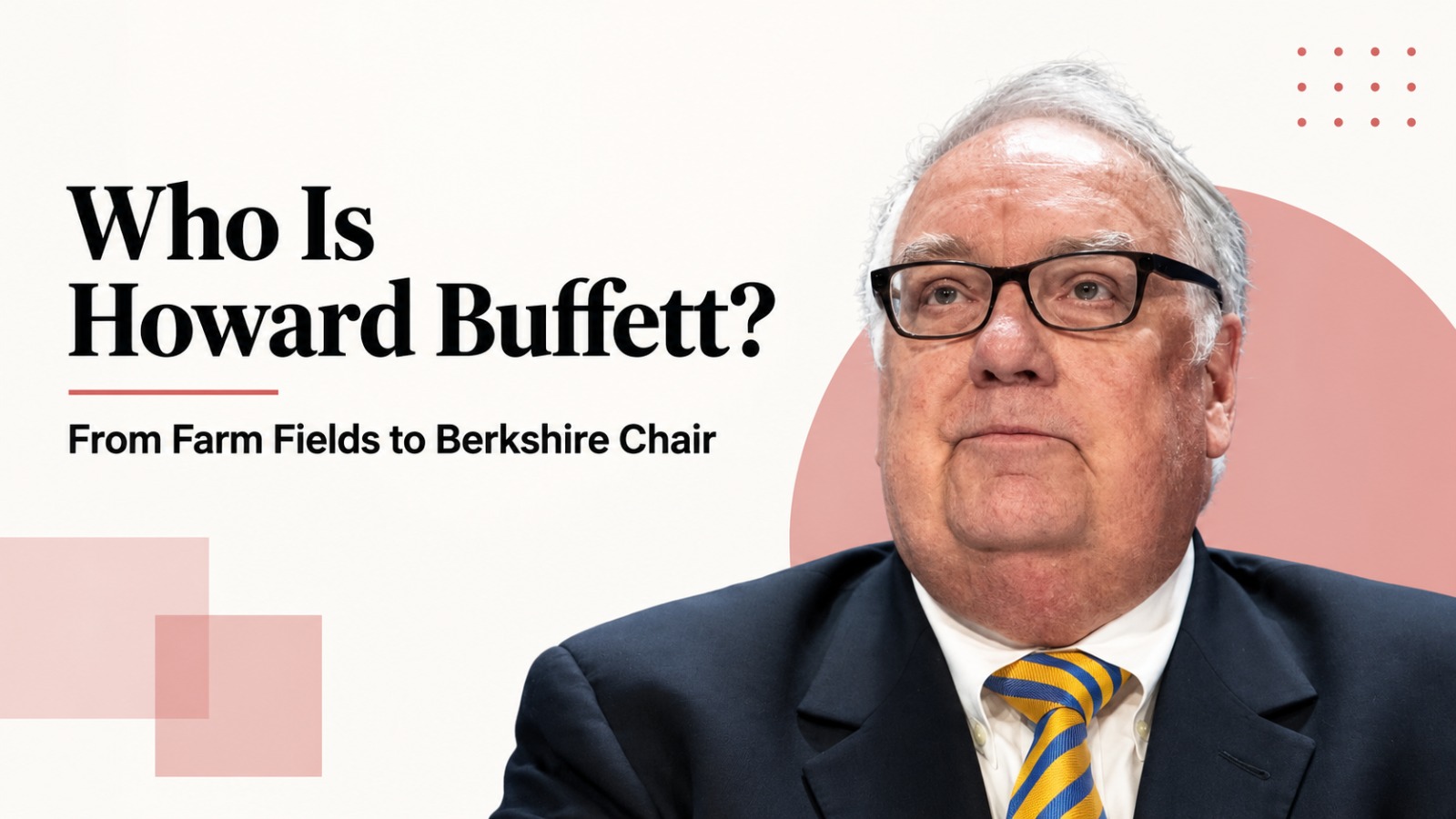
The 96-year-old investor will not leave Berkshire altogether. He will remain on the board as chairman emeritus, while his son Howard G. Buffett takes over as chairman. The change follows Buffett’s exit from the chief executive role at the end of last year, making the latest move part of a broader succession that has gradually shifted responsibility to the next generation of Berkshire leadership.
But Buffett’s decision was not presented simply as a ceremonial handover. In his message to shareholders, he gave two clear reasons for stepping aside: his confidence in CEO Greg Abel and the unavoidable reality of age.
Why Warren Buffett resigned as Berkshire chairman
Buffett said Greg Abel has performed beyond his expectations since taking over Berkshire’s executive leadership. That appears to have given Buffett greater comfort in withdrawing from the chairman’s position and allowing the company’s succession plan to move forward.
At the same time, Buffett directly acknowledged that age had become part of the equation. In his shareholder letter, he referred to his one-year-old great-grandson moving faster than he does and summed up the passage of time simply: “Father Time always wins.” He also said he had been fortunate to remain involved long enough to see Berkshire reach a point where he feels highly confident about its future.
That combination is important.
The decision does not appear to have been framed as a reaction to a business setback or disagreement over strategy. Instead, Buffett’s own explanation points to a succession process reaching the stage where he believes Berkshire’s leadership structure can operate without him holding the chair.
His departure from the CEO position had already reduced his day-to-day executive responsibilities. Leaving the chairman’s seat now further separates Berkshire’s future governance from the man who shaped the company for more than half a century.
Greg Abel’s performance appears to have made the timing easier
Buffett’s reference to Abel exceeding expectations gives the resignation a clearer business rationale.
Rather than remaining in the chairman’s role simply because he had held it for decades, Buffett appears to be handing over more responsibility at a point when he believes the company’s executive leadership has proved itself.
Abel’s position is also distinct from that of Howard Buffett.
Greg Abel is responsible for running Berkshire as CEO. Howard Buffett will become chairman, giving the company separate executive and board leadership.
That distinction is consistent with Howard Buffett’s own earlier comments about the role. He has said he does not expect to run the company as non-executive chairman and sees his responsibility as supporting Abel.
The structure therefore gives Berkshire continuity without simply replacing Warren Buffett with another member of the Buffett family in the chief executive role.
Age was acknowledged, but Buffett is not cutting ties with Berkshire
Buffett’s age is clearly part of the decision, but his move is not a complete retirement from Berkshire.
He will remain on the board as chairman emeritus, preserving a formal connection to the company even after giving up the chairmanship.
That makes the transition more gradual than abrupt.
Buffett had served as Berkshire chairman since 1970, meaning the change ends a leadership tenure spanning more than five decades. During that period, Berkshire evolved from its roots as a struggling textile business into a diversified company with businesses including insurance, railroads, consumer brands and other major operations.
His decision to stay on as chairman emeritus also means Berkshire retains access to his experience while reducing the degree to which formal authority remains concentrated around him.
Howard Buffett now takes on the chairman’s role
Howard G. Buffett, 71, has served on Berkshire’s board since 1993 and had long been expected to eventually become chairman.
His new role is expected to be substantially different from the life he has led outside Berkshire.
Howard has spent years travelling internationally through his philanthropic work while also maintaining a farming routine. In a 2024 interview, he said taking on greater responsibility at Berkshire would likely mean reducing some of his travel and being more available to fulfil his obligations to the company.
He has also been described as a guardian of the corporate culture built by Warren Buffett and longtime Berkshire vice chairman Charlie Munger. His role, however, is not designed to duplicate the CEO’s responsibilities. The emphasis is on board leadership, continuity and support for Abel.
The resignation closes one phase of Berkshire’s succession
Buffett’s resignation as chairman is significant because it removes the final major leadership title he continued to hold after leaving the CEO position.
The reasons he gave are relatively straightforward. He believes Greg Abel has demonstrated that he can lead the company, he recognises the limits that come with age, and he believes Berkshire is in a position that allows him to step away from the chair with confidence.
For Berkshire, the change also clarifies how the company intends to operate beyond its most famous leader.
Abel runs the business. Howard Buffett chairs the board. Warren Buffett remains connected as chairman emeritus.
Rather than signalling a sudden break from the past, the transition formalises a structure that Berkshire had been preparing for over several years.
Also Read: Jar Raises Rs 29 Crore From Existing Backer Unitary Fund as Valuation Climbs 23%