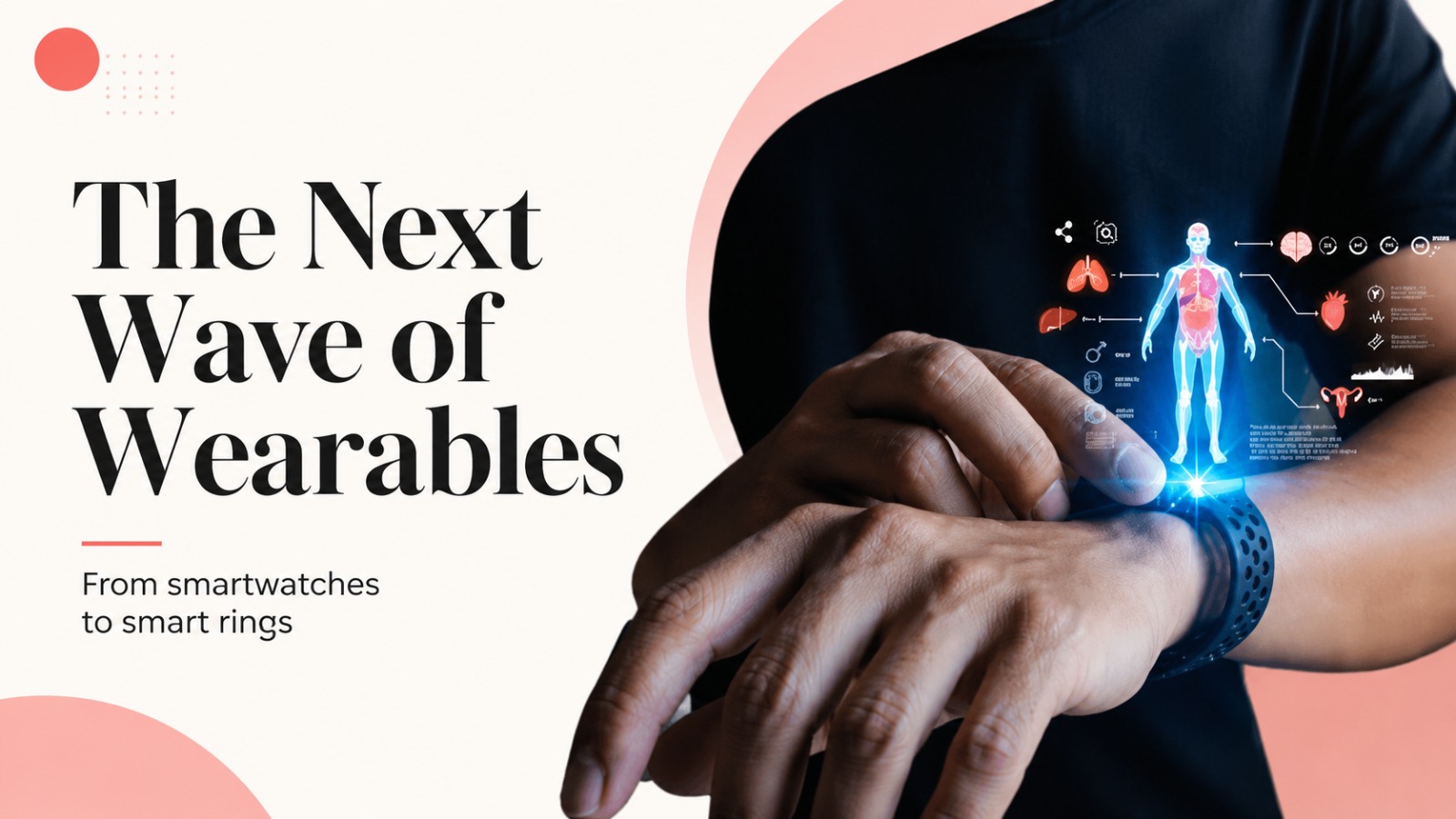
The evolution of wearable technology has been shaped by decades of innovation in health monitoring, sensor engineering, and data analysis. While wearable devices are often associated with modern fitness culture, their origins stretch back centuries.
Early attempts to track physical activity appeared in the seventeenth and eighteenth centuries through mechanical pedometers developed by inventors such as Abraham-Louis Perrelet and Thomas Jefferson. A major breakthrough arrived in 1949 when American biophysicist Norman Holter introduced the Holter monitor, enabling continuous recording of heart activity outside hospital settings.
The consumer health-tracking movement gained momentum in 1965 with the launch of Japan’s Manpo-kei, or “10,000 steps meter,” developed by Dr. Yoshiro Hatano. The device promoted daily physical activity as a way to reduce obesity and cardiovascular risks. Decades later, advances in sensors and microelectronics paved the way for digital activity tracking, culminating in the launch of Fitbit’s first tracker in 2009.
Why Smartwatches Became the Industry Standard
The shift from smartphone-based tracking to wrist-worn devices transformed the wearable industry. Unlike smartphones, which are often left on desks or stored in bags, smartwatches maintain continuous contact with the skin, allowing uninterrupted collection of physiological data.
Devices such as the Apple Watch and Samsung Galaxy Watch use photoplethysmography (PPG) sensors that emit light into the skin to measure blood flow changes. This technology enables continuous tracking of metrics such as heart rate and other circulatory indicators.
Wearable adoption has expanded rapidly worldwide. According to data cited in the report, India recorded a household wearable ownership rate of 57 percent in 2024, ahead of China, the United Kingdom, Sweden, and North America. The trend highlights the growing role of emerging markets in driving wearable technology adoption.
Also Read: How Aman Sanger Built Cursor Into a $60 Billion AI Coding Story
Smart Rings Bring Advanced Monitoring in a Smaller Form
A new category of wearable devices is gaining attention through smart rings. These lightweight, screen-free devices pack sophisticated sensors, microcontrollers, and wireless communication systems into a compact form factor weighing only a few grams.
One of the biggest advantages of smart rings is their ability to remain comfortable during sleep. Their high overnight wear rate allows continuous monitoring of important health indicators such as heart rate variability, sleep quality, body temperature, and circadian rhythms.
The finger also provides a favorable location for biometric sensing. Blood vessels in the finger sit closer to the skin surface than those at the wrist, allowing optical sensors to capture clearer physiological signals with less interference from movement.
A Growing Focus on Women’s Health
Wearable companies are increasingly developing technologies designed to better understand women’s physiological changes. Historically, many biometric algorithms were built using datasets that underrepresented female health patterns.
Hormonal fluctuations throughout the menstrual cycle can influence metrics such as heart rate variability, resting heart rate, and skin temperature. As a result, manufacturers are introducing hormone-aware health models that interpret these changes more accurately.
Companies including Oura, Garmin, and Clair Health are expanding capabilities related to cycle tracking, reproductive health, and hormonal monitoring. These systems combine continuous biometric measurements with advanced analytical models to provide users with deeper insights into physiological trends.
Researchers are also exploring flexible skin-mounted sensors capable of detecting hormone-related biomarkers through sweat. Such technologies may eventually contribute to more advanced non-invasive health monitoring systems.
The Next Wave of Wearable Innovation
The wearable industry is moving beyond activity tracking toward continuous health assessment. Emerging technologies are focusing on the detection of biomarkers through sweat, interstitial fluid, and other biological signals without requiring invasive procedures.
Researchers and manufacturers are developing systems capable of monitoring electrolytes, metabolic markers, hydration levels, and stress-related indicators in real time. Other areas of innovation include cuffless blood pressure monitoring and advanced bioimpedance-based hydration analysis.
The growing acceptance of wearable data within healthcare is also influencing this shift. According to the report, a majority of surveyed cardiologists now review patient-generated wearable data, with many incorporating it into clinical decision-making.
New Opportunities for Health Technology Startups
The report identifies several promising areas for future innovation. These include platforms for continuous biochemical monitoring, wearable devices designed around hormonal health, and smart textiles with embedded sensors.
Smart fabrics represent one of the most ambitious developments. Instead of relying on external gadgets, sensors could be integrated directly into clothing to monitor posture, body temperature, movement, fatigue, and other physiological indicators.
As sensor technology continues to advance, wearables are increasingly evolving from fitness accessories into sophisticated health-monitoring systems. The next phase of innovation is expected to focus on continuous, real-time understanding of human physiology, creating new possibilities for preventive healthcare and personalized wellness.
Also Read: Recykal Secures ₹166 Crore in Series D Round, Valuation Reaches $280 Million