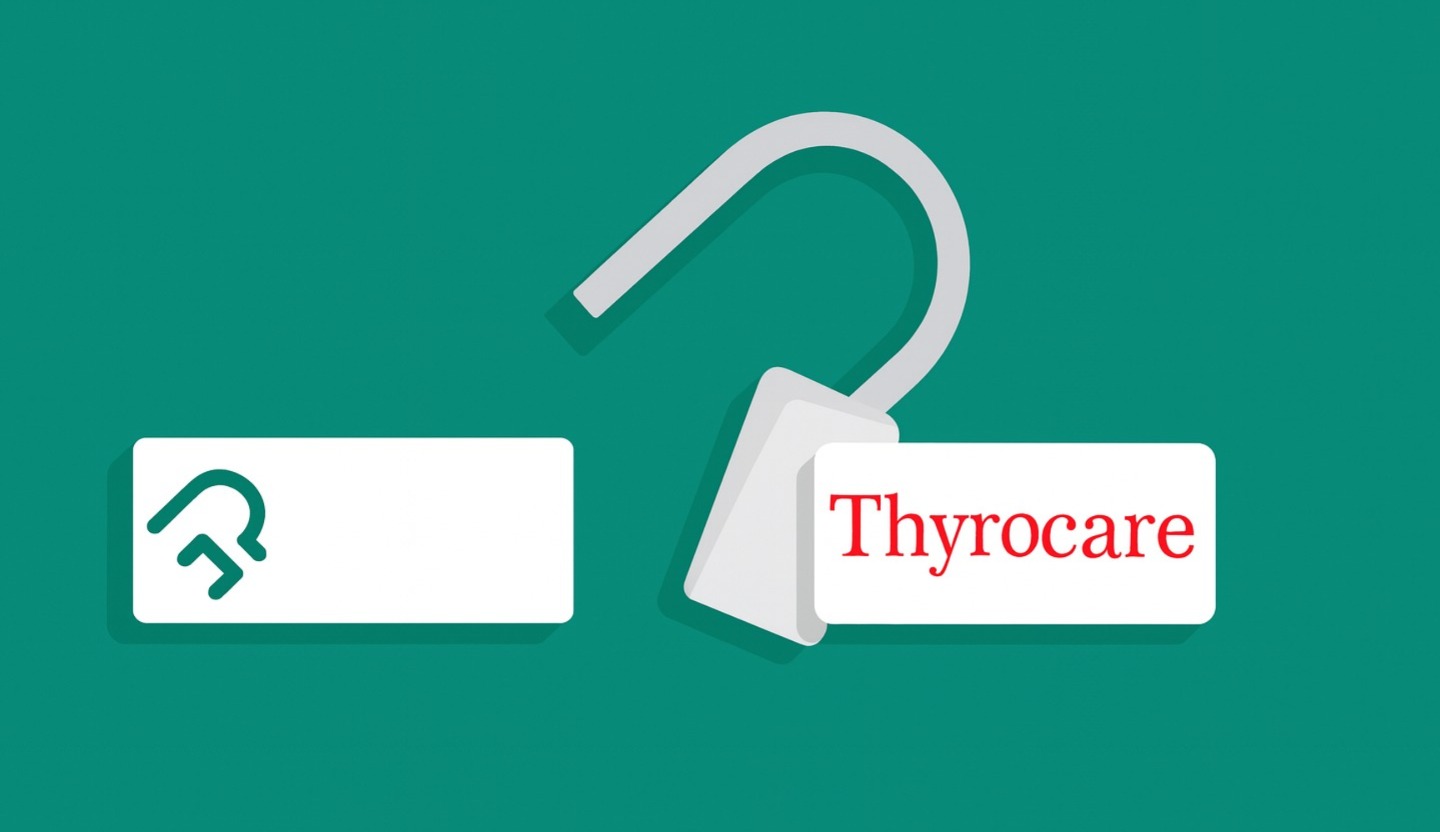
PharmEasy’s ambitious ₹4,546-crore acquisition of Thyrocare in 2021, once celebrated as a defining moment for India’s digital health sector, has now turned into a case study in how a single financing assumption can destabilise an entire company.
Thyrocare, the only profitable arm in the PharmEasy group and once the pride of the acquisition, is today pledged as collateral. The very asset that symbolised the startup’s rise could now be claimed by its lender.
This is no longer a story about strategy or market sentiment. It’s a story about math and a capital structure that couldn’t survive changing tides.
A Deal Backed by 18% Debt and One Big Assumption
When PharmEasy’s parent, API Holdings, bought Thyrocare for ₹4,546 crore, it funded the deal with ₹2,280 crore of debt priced at 18%. The plan was clear: list the company, raise new capital, refinance the expensive loan and ride digital healthcare’s momentum.
Everything hinged on that IPO.
When the public offering was withdrawn, the company didn’t just lose a fundraising event. It lost the only lever that made the leverage workable.
The numbers tell the rest of the story:
- Losses shot up from ₹641 crore to ₹3,992 crore
- Valuation eroded by over 90%
- Founders moved out
- Thyrocare was pledged to the lender
The domino effect wasn’t bad luck. It was baked into the financing plan.
High-Cost Debt Meets Slow-Burn Sector
The 18% loan added an annual interest burden of over ₹400 crore, a figure even profitable legacy healthcare businesses would struggle to absorb.
Healthcare is not a “blitzscale and flip” sector. It moves on trust, compliance and slow-building margins:
- Customers don’t switch labs or pharmacies overnight
- Regulatory costs are non-negotiable
- Scaling requires physical networks, not just an app
- Profit pools deepen over years, not months
Trying to run a long-cycle business on short-cycle capital is like sprinting a marathon. PharmEasy simply wasn’t built to outrun interest costs at this scale.
When the Balance Sheet Takes Over the Boardroom
Once losses piled up and cash burn accelerated, the business narrative shifted from growth to survival. The balance sheet not the board, became the decision-maker.
Pledging Thyrocare, the only steady profit engine, was a last-resort move. But it also signalled that the cushion was gone.
What started as a bold acquisition has ended in a scenario where the acquired company is at risk of slipping out of the acquirer’s hands.
The Real Lesson: The Idea Wasn’t the Problem
What has unfolded does not discredit digital healthcare. It discredits the financing structure.
PharmEasy’s core model, integrating pharmacy, diagnostics, chronic care and home health services, still has strategic merit. But the capital plan assumed uninterrupted market optimism and an on-time IPO.
That assumption didn’t hold. And the business didn’t have a Plan B.
Four lessons stand out:
- Expensive debt magnifies both upside and downside
- No business should depend on a future funding event for survival
- Sector cycles must match capital cycles
- Core profit engines should never be mortgaged to repay growth bets
A Cautionary Tale for India’s Startup Universe
The PharmEasy-Thyrocare episode will likely become required reading for startup founders and investors. It underscores a simple truth:
If your business model collapses when the next round doesn’t arrive, you’re not managing a company, you’re managing a liability.
For now, PharmEasy faces the sharpest reality-check any growth-stage company can encounter: the mathematics of its own balance sheet.
What was supposed to be a transformational acquisition may end up being remembered as the moment a high-growth startup overestimated how far leverage could stretch.
Note: Key analysis credit to Shubham Garg (Ethara AI)
Also Read: How NSF is seeding America’s next wave of startups?