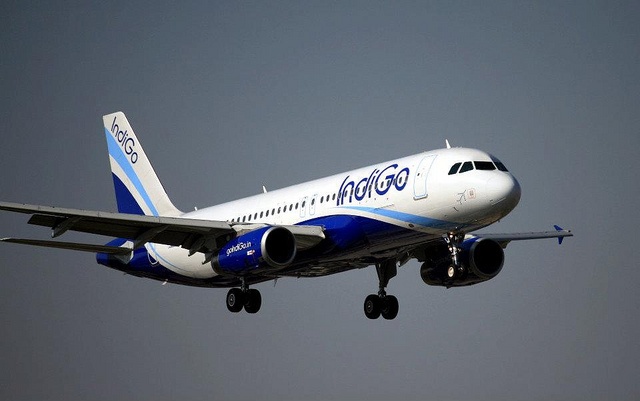
After a weekend of unprecedented IndiGo flight disruptions that left thousands of passengers stranded, IndiGo is slowly steering its operations back towards normalcy, even as regulators, rival airlines and the railways step in to cushion the impact.
Crowds that had swelled at Delhi’s Indira Gandhi International (IGI) Airport have reportedly thinned, and international flights are now operating on schedule. IndiGo has said it expects to run more than 1,500 flights by the end of the day, claiming it is close to restoring 95% of its network connectivity.
A Weekend Of Mass Cancellations
The scale of disruption was stark. On Saturday alone, IndiGo cancelled over 800 flights across its domestic network, leaving passengers stranded in airports around the country and forcing many to scramble for alternate travel options.
Even as the situation eases, the airline is still working through the backlog created by those cancellations. The Ministry of Civil Aviation has stated that normalcy is “gradually” returning, with check-in and boarding services at airports reported to be running smoothly.
Jammu: Most Flights Back In The Air, But Not All
On the Jammu sector, operations show the mixed picture of recovery. Out of 10 scheduled IndiGo flights, eight were able to operate, while two were cancelled, one from Delhi and another from Indore.
For passengers on these routes, the partial resumption is a relief, but the lingering cancellations underline that the network is still not fully back to normal.
Pune Sees Targeted Cancellations, Passengers Told To Check Before Travel
Pune remains one of the more affected cities in the current disruption cycle. IndiGo cancelled 25 flights from Pune Airport on 7 December, according to an update shared on social media. Passengers were explicitly advised to contact the airline before heading to the airport to confirm the status of their flights.
That advisory remains significant for travellers from Pune and other busy hubs: while overall operations are improving, day-to-day schedules on certain routes may still see last-minute changes.
DGCA Puts IndiGo Management On Notice
The disruptions have also triggered regulatory scrutiny. Aviation watchdog Directorate General of Civil Aviation (DGCA) issued show-cause notices to IndiGo’s Chief Executive Officer Pieter Elbers and Accountable Manager Isidro Porqueras.
The regulator has sought explanations within 24 hours on the “massive flight disruptions,” asking the airline’s top management to account for how the situation was allowed to escalate to this level.
The notices signal that the episode may not just end with schedule repairs; compliance, planning and rostering decisions are also likely to come under detailed review.
Relief Measures: Air India Waiver, ixigo Refunds
While IndiGo restores its network, other players in the travel ecosystem have moved to soften the blow for affected passengers.
Air India and Air India Express have rolled out a special waiver on change or cancellation fees for eligible domestic bookings. Travellers who booked flights with either airline until 4 December, for journeys scheduled up to 15 December, can shift their bookings to a later date without paying the usual rescheduling fee, according to the airline.
On the online travel side, aggregator ixigo has announced that it will refund the full convenience and “assured” fees on tickets bought on its platform by passengers hit by IndiGo’s cancellations.
These measures do not remove the inconvenience of last-minute cancellations, but they do ease part of the financial burden on travellers who have had to rebook at short notice.
Government And Railways Step In To Handle Spillover
As flights were grounded and fares on remaining services surged, many passengers turned to trains. Indian Railways responded by deploying 116 additional coaches on 37 premium trains, operating 114 enhanced trips across the country to absorb the sudden spike in demand.
The Civil Aviation Ministry, meanwhile, has emphasised that normalcy is being restored, with airports reporting smoother check-in and boarding processes compared with the peak of the crisis.
What The Situation Looks Like Now?
Taken together, the latest updates present a picture of a system emerging from shock but not entirely steady yet:
- Network recovery: IndiGo says it expects to operate over 1,500 flights by end of day, aiming to restore 95% of its network.
- Airport experience: Crowds at Delhi’s IGI Airport have eased, and international IndiGo flights are reportedly running on time.
- Route-level impact: Jammu has seen most flights restored but still faces selective cancellations; Pune has witnessed 25 cancellations on a single day with advisories issued to passengers.
- Oversight and accountability: The DGCA’s show-cause notices put IndiGo’s top leadership under direct regulatory watch.
- Alternative options: Additional train capacity and fee waivers from competing airlines and online platforms have opened up more choices for disrupted travellers.
For now, IndiGo’s immediate priority is to stabilise its schedule and win back passenger confidence after a weekend that saw over 800 cancellations and long queues at major airports.
With regulators demanding explanations, rival carriers offering waivers, online platforms processing refunds, and the Railways stepping in with extra capacity, the fallout from the disruptions is being managed on multiple fronts.
How swiftly IndiGo can return to entirely normal operations and what corrective measures the DGCA insists on after its review, will determine whether this episode is remembered as a short-lived shock or a turning point in how India’s largest airline plans and manages its network.
Also Read: Accenture Invests in WEVO to Strengthen AI-Led Customer Research