


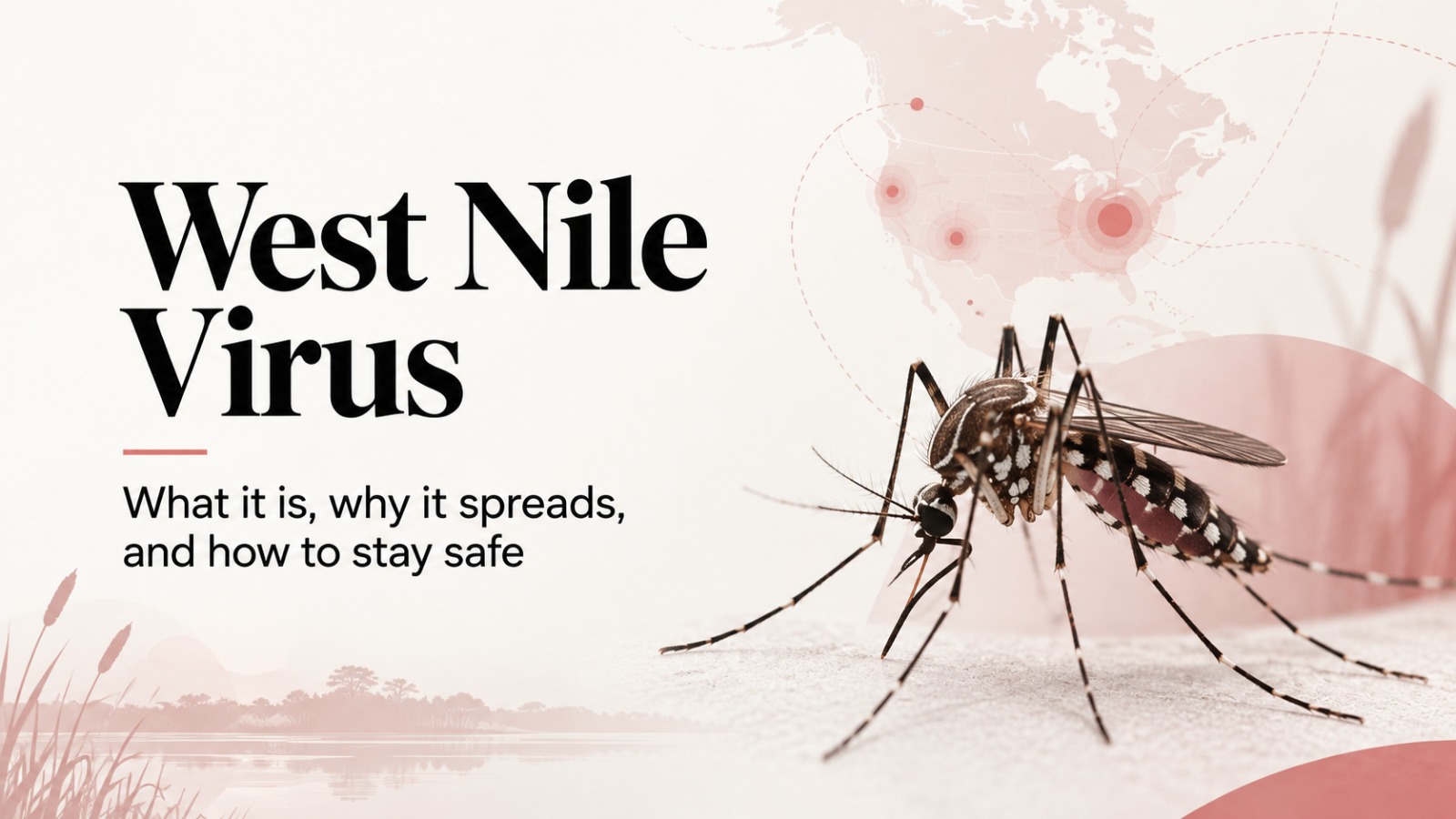
Italy is facing another significant West Nile virus season, but the bigger concern for health authorities is not simply the number of infections. It is how long mosquitoes may remain capable of spreading the virus, and how far that transmission is reaching.
More than 650 West Nile virus infections have been reported in Italy in 2026, representing roughly half of the cases recorded across Europe. Researchers at Italy’s National Institute of Health say higher temperatures and longer warm seasons are creating conditions that allow mosquitoes to reproduce for longer and extend the period during which the virus can reach people.
In some years, that transmission window can continue as late as November. Areas of Italy that once reported relatively little West Nile activity are also beginning to record infections, suggesting the virus is gradually expanding geographically as well as seasonally.
That does not mean climate change alone explains what is happening. Health experts have pointed to several factors, including changes in land use, declining biodiversity and mosquito populations. Italy’s unusually extensive surveillance system also matters because it monitors mosquitoes, birds, blood donors and human infections, making the country particularly effective at detecting circulation of the virus.
What exactly is West Nile virus?
West Nile virus is a mosquito-borne virus that primarily circulates among birds. Humans and other mammals can become infected when they are bitten by mosquitoes carrying the virus. It was first isolated in Uganda’s West Nile district in 1937.
The main transmission cycle involves birds and mosquitoes. Mosquitoes, particularly those from the Culex genus, acquire the virus after feeding on infected birds and can later transmit it to humans during another blood meal. Factors such as standing water, heavy rainfall, irrigation and above-average temperatures can support mosquito proliferation and increase the chances of transmission where the virus is already circulating.
Humans generally do not play an important role in maintaining that transmission cycle. People and other mammals are considered “dead-end” hosts because the amount of virus circulating in their blood is usually too low to infect another mosquito. Person-to-person spread is rare, although transmission through blood transfusion or organ transplantation can occasionally occur.
Most infected people never know they have it
One of the unusual features of West Nile virus is that most infections cause no noticeable illness.
Around 80% of infected people develop no symptoms at all. Among those who do become ill, symptoms can resemble a flu-like infection, including fever, headache, muscle aches, nausea, diarrhea, rash and swollen lymph nodes.
Cleveland Clinic similarly notes that roughly one in five infected people develops symptoms such as fever, headache and body aches. Severe disease is much less common.
A small proportion of infections can affect the nervous system, causing conditions such as encephalitis or meningitis. Institut Pasteur says neurological complications occur in around 1% of cases and that severe illness is seen particularly among older adults and people with weakened immune systems.
Warning signs of more serious disease can include a very high fever, severe headache, stiff neck, confusion, muscle weakness, seizures, paralysis or coma.
Is there a vaccine or specific treatment?
There is currently no specific human vaccine or antiviral treatment for West Nile virus.
For mild cases, treatment is mainly supportive, including rest, fluids and medicines used to reduce fever or pain. Severe cases may require hospital care, particularly when the infection affects the brain or nervous system.
Because there is no specific medicine that eliminates the virus, prevention largely comes down to reducing exposure to mosquitoes.
What should people do to reduce the risk?
The most practical protection is also the simplest: avoid mosquito bites and limit places where mosquitoes can breed.
Health guidance recommends removing stagnant water from containers, buckets, blocked gutters and other places where larvae can develop. Wearing long clothing, using mosquito repellent and using mosquito nets can also reduce exposure.
Cleveland Clinic additionally advises keeping doors and windows screened or closed, using repellent on exposed skin or clothing and taking extra precautions when sleeping outdoors or in places where mosquitoes are common.
Anyone who develops severe headache, high fever, stiff neck, confusion, muscle weakness, tremors or seizures should seek urgent medical attention.
Why Italy’s 2026 season matters beyond Italy
West Nile virus has been considered endemic in Italy since 2020, and cases now recur during summer and early autumn. What has changed is the growing concern that warmer conditions are lengthening the mosquito season and allowing infections to appear in places that previously recorded little activity.
The pattern is also attracting attention elsewhere in Europe. Researchers from Belgium visited Italy’s National Institute of Health to study the country’s surveillance and research systems, while the Netherlands has reported more than two dozen cases this year along with several deaths.
European health officials have also warned that longer, warmer summers, heatwaves and flooding are creating increasingly favourable conditions for mosquitoes capable of transmitting disease. Over the past decade, the Asian tiger mosquito, Aedes albopictus, has expanded from eight European countries and 114 regions to 13 countries and 337 regions.
For the public, however, the immediate message is more straightforward. West Nile virus remains symptomless in most people, but it can occasionally cause serious neurological disease. With mosquito activity lasting longer in some parts of Europe, measures that once seemed seasonal may increasingly matter for a larger part of the year.
Also Read: Warren Buffett’s Warning to Investors: The Costly Mistake to Avoid When Stock Prices Fall