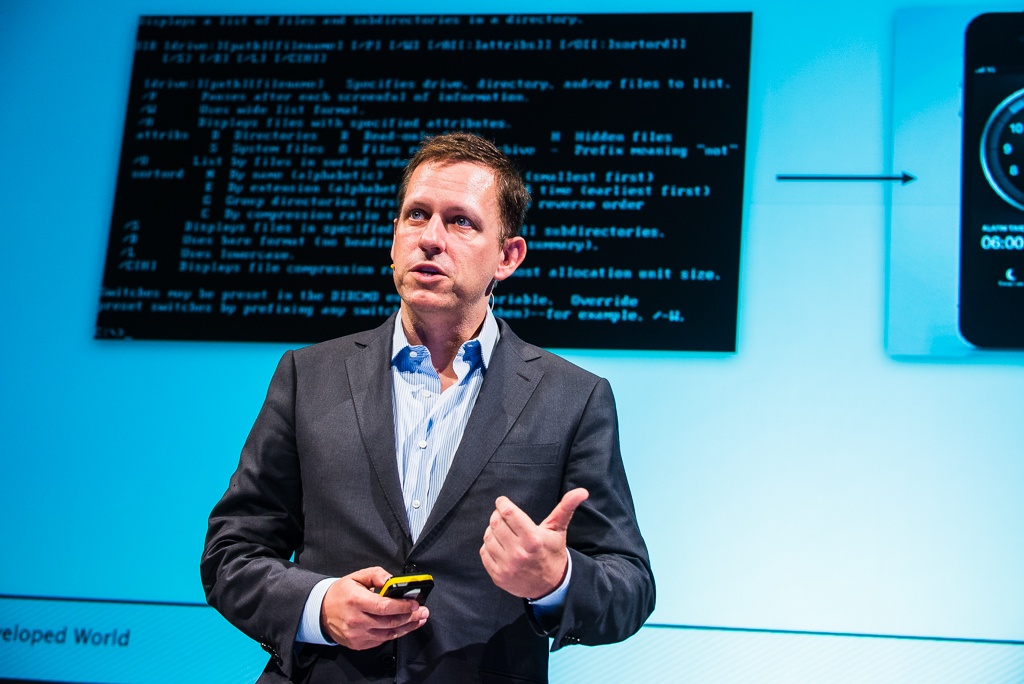
The markets were taken aback when Thiel Macro LLC, Peter Thiel’s hedge fund, disclosed in its most recent regulatory filing that it had fully sold its stake in NVIDIA. In Q3 2025, the fund sold 537,742 shares, which at the end of September were valued at about $100 million. NVIDIA had left the fund’s records by the end of the quarter. This appeared to many traders to be a blatant strategic pullback rather than just regular profit-taking.
SoftBank Steps Away Too, And The Plot Thickens
Thiel’s move happened in the same period SoftBank quietly unloaded its entire NVIDIA stake as well. This sale was significantly larger, worth around $5.8 billion. SoftBank said it was freeing up capital for other AI investments, but the timing raised eyebrows. Two major players walking away from the same high-flying stock in the same quarter naturally triggered talk that the AI rally might finally be overheating.
Also Read: Could Hombale Films Be the Next Big Owner of RCB?
A Peek Inside Thiel’s Portfolio Reset
The same filing also showed that Thiel Macro dramatically slimmed down its entire equity book. Its holdings dropped from about $212 million in Q2 to roughly $74 million in Q3. Apple and Microsoft emerged as its new top positions, while Tesla was trimmed. Because the fund is relatively small and heavily concentrated, selling one major stake practically reshapes the entire portfolio. That is why markets interpreted this as a serious attempt to reduce risk rather than a casual reshuffle.
The Return of the Bears: Enter Michael Burry
Market nerves were already on edge, and then came another twist. Michael Burry, famous for predicting the 2008 financial crisis, disclosed large put positions on NVIDIA and other AI-linked stocks. When several well-known investors start preparing for potential downside at the same time, sentiment tends to shift quickly. It does not guarantee a crash, but it certainly increases the odds of sharper swings.
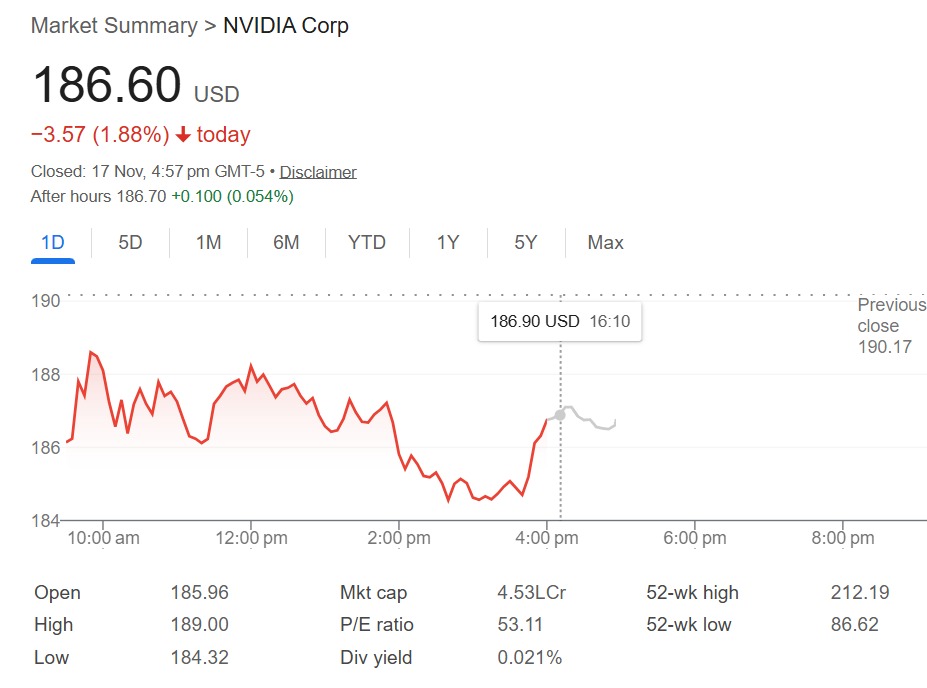
Why NVIDIA Feels Like the Heartbeat of AI
NVIDIA has become the unofficial indicator of global AI demand. Its GPUs power everything from model training to real-time AI applications. When NVIDIA grows, the whole sector feels it. If its data center or GPU sales begin slowing, it is often read as an early signal that the broader AI boom might be cooling. This is why major institutional exits, even isolated ones, tend to spark oversized reactions.
Is This a Bubble Warning or Just Smart Investing?
Investors are now split between two interpretations.
1. The Bubble Warning View: Some believe these big sales are flashing early danger signs. They point to crowded trades, stretched valuations and uncertainty about how long companies can keep up massive hardware spending. In this view, Thiel and SoftBank may be stepping aside before a larger correction hits.
2. The Practical Portfolio View: Others see this as normal, disciplined investing. NVIDIA has delivered enormous returns over the past few years. Locking in profits, reducing concentration risk and recycling capital into other opportunities can all be smart moves. SoftBank openly said it sold to fund new AI bets, not because it had lost faith in NVIDIA.
Both explanations are believable, and the market has not yet decided which one is right.
Signals That Will Shape What Happens Next
Investors are now watching a few key data points:
- NVIDIA’s upcoming earnings, especially data center revenue
- Cloud companies’ spending plans on new GPU orders
- Options market activity and increases in put buying
- Whether more large holders begin trimming positions
These factors will determine whether Thiel’s exit was an isolated repositioning or the start of a broader shift in sentiment.
The Bottom Line: A Warning, Not A Meltdown
Peter Thiel’s NVIDIA exit has definitely stirred debate about whether enthusiasm for AI stocks has gotten ahead of reality. It is an important signal, but it is not a definitive declaration that the AI bubble has burst. The long-term AI story remains strong. However, the market is clearly becoming less forgiving of sky-high valuations.
The next few quarters will reveal whether this was a simple correction, a calculated repositioning or the first sign of deeper turbulence ahead.
Also Read: Ex-Twitter CEO’s $100M Comeback: The AI Startup That Could Redefine the Internet