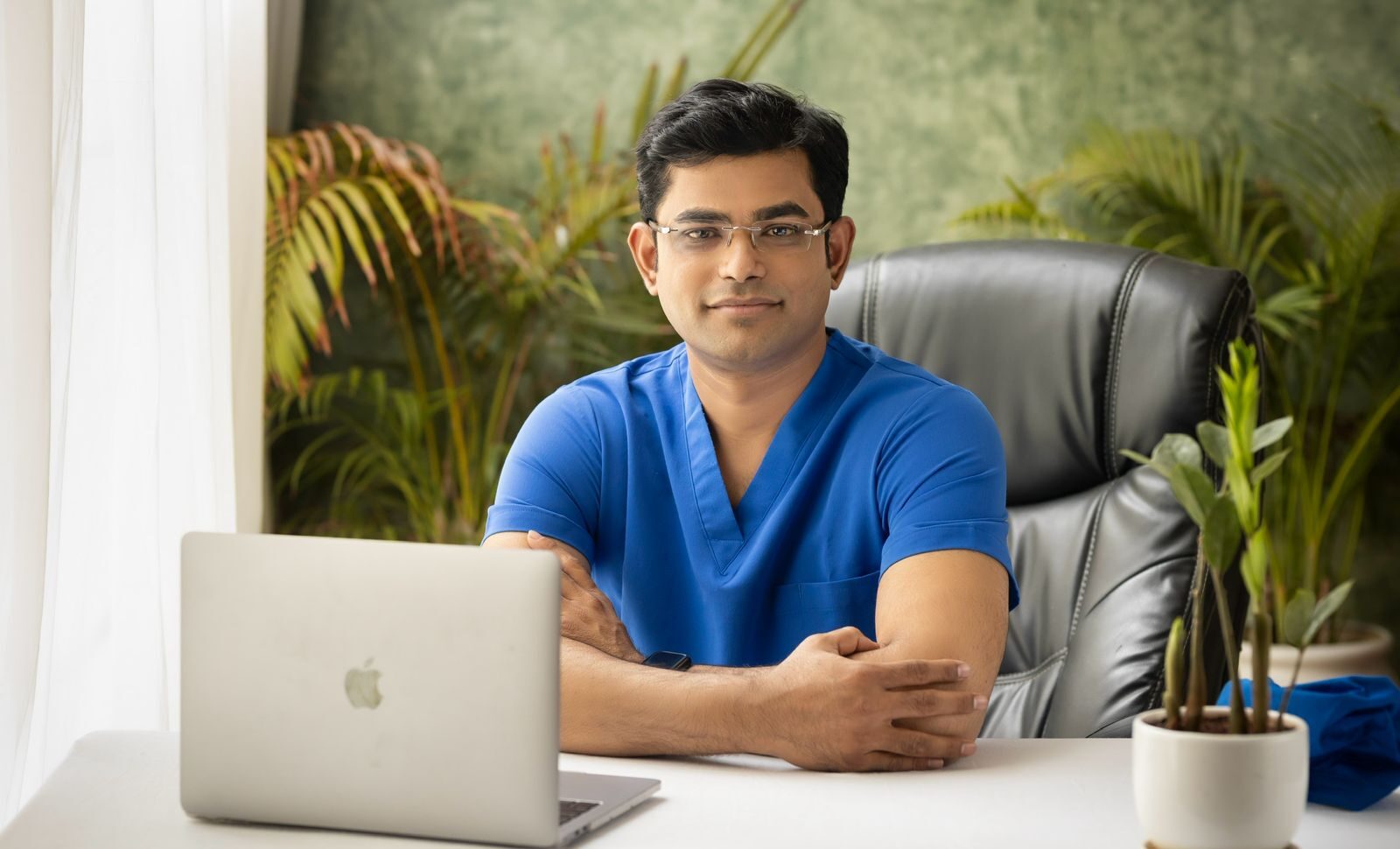
When a 32-year-old marketing associate finally walked into the clinic of endometriosis expert Dr Sandip Sonara in Ahmedabad, she carried with her not just a file of reports, but 14 years of dismissed pain.
For most of her teens and twenties, she had been told, directly and indirectly, that what she was feeling was “normal period pain.” She missed meetings, swallowed painkillers between presentations, and pushed herself through each cycle. On paper, she was a young professional on the rise. Inside, as Dr Sonara describes, her body was “screaming for help.”
Her story, which the doctor recently shared on social media, is disturbingly familiar to many women living with undiagnosed endometriosis.
A decade of pain, written off as “just cramps”: Doctor Sandip Sonara
The patient, a 32-year-old woman working in marketing, had done what most women are conditioned to do: tolerate pain, minimise it, and adjust her life around it.
She scheduled her toughest tasks around her menstrual cycle. She quietly left meetings when the cramps became unbearable. She kept painkillers in her bag as routinely as a notebook or pen. Month after month, year after year, this became her normal.
By the time she reached Dr Sonara, her symptoms had intensified to the point that even everyday activities were compromised. What she had been led to believe were “bad periods” were, in reality, signs of a serious, chronic condition.
The diagnosis: endometriosis wrapped around ovaries and bowel
Scans revealed what years of casual reassurance had hidden. The woman had endometriosis, a condition in which tissue similar to the uterine lining grows outside the uterus.
In her case, this tissue had wrapped around her ovaries and bowel, leading to inflammation, scarring and relentless pelvic pain. What had been framed as “normal” for over a decade was actually the progression of a disease that can disrupt every sphere of life.
Endometriosis is not simply a case of stronger-than-usual cramps. As Dr Sonara emphasises, it is a chronic condition that can be associated with infertility, extreme fatigue and digestive issues, apart from severe pain.
Yet, countless women continue to absorb the message that they should endure it in silence.
One in ten women and still not taken seriously
The scale of the problem is stark: endometriosis affects an estimated 1 in 10 women. Despite this prevalence, the disease remains under-recognised and under-diagnosed.
According to Dr Sonara, the diagnostic delay typically stretches from 7 to 10 years. During this time, women often shuttle between clinics, try home remedies, or simply give up seeking answers after being repeatedly told that their pain is part of being a woman.
This delay is not just a medical issue; it is a reflection of deep-seated attitudes around women’s health and pain.
When even doctors miss it?
What makes the situation more distressing, Dr Sonara notes, is that the system meant to help women sometimes adds to their suffering.
Many patients with endometriosis first consult doctors who are not specialists in this domain. Some of these practitioners, whether through lack of training, time or awareness, fail to provide the right diagnosis, prognosis or treatment. The result is more than just physical pain, it is confusion, frustration, and a sense of not being believed.
In the case of the 32-year-old marketing associate, every missed diagnosis was effectively another year of disease progression. By the time she received a clear explanation of what was happening inside her body, endometriosis had already caused significant damage.
The cost of normalising period pain
Dr Sonara’s central message is blunt: “Period pain normalisation needs to end.”
When severe period pain is brushed off as something women should simply “learn to live with,” three things happen:
- Serious conditions get missed. Diseases like endometriosis are allowed to quietly advance.
- Women internalise doubt. They begin to question their own experience of pain and hesitate to seek help.
- Delays worsen outcomes. Years lost without proper care mean more scarring, more complications and more emotional distress.
What begins as a private monthly struggle gradually turns into a full-time burden that can affect careers, relationships and mental health.
“If it disrupts your life, ask tougher questions”
In his post, Dr Sonara urges women to treat period pain as a health signal, not a test of endurance.

His advice is simple but powerful: if your period pain is disrupting your life, making you miss work, cancel plans, or depend on constant painkillers, it is time to ask tougher questions.
That means:
- Not accepting a vague “it’s normal” when your instincts say otherwise.
- Seeking a second opinion if your concerns are dismissed.
- Consulting a specialist familiar with endometriosis when pain is severe, cyclical and persistent.
The 32-year-old’s story, he stresses, is common. What is uncommon is awareness, both among the public and within parts of the medical community.
Treatable, but only if we reach it in time
Crucially, Dr Sandip Sonara underscores a message of hope: endometriosis is treatable.
While the nature of treatment depends on individual cases, early and accurate diagnosis can make a significant difference to pain levels, quality of life, and future planning around fertility and work. But that journey can only begin when women and the people around them stop treating severe period pain as a normal monthly event.
A call to families, workplaces and healthcare systems
Behind every woman living with undiagnosed endometriosis is a network of people who may unknowingly enable the silence: families who normalise pain, workplaces that treat menstrual health as a private inconvenience, and healthcare systems that do not prioritise specialised training on conditions like this.
Dr Sonara’s post from Ahmedabad is a reminder that awareness is itself a form of treatment. When a colleague repeatedly misses meetings during her period, when a student regularly doubles over in class, or when a daughter spends days each month curled up in bed, the first response should not be to toughen her up, but to help her seek answers.
From one woman’s file to a wider movement
What began as a single case in an Ahmedabad clinic has become a sharp public message from an endometriosis expert who is tired of watching history repeat itself.
The 32-year-old marketing associate is now, finally, on a path to targeted care. But her 14-year delay is a cautionary tale and a call for change.
The takeaway from Dr Sandip Sonara’s appeal is clear:
- Severe period pain is not a character test.
- Delays in diagnosis are not inevitable.
- Women deserve to be believed, investigated and treated not told to endure.
If period pain is rewriting your calendar, reshaping your decisions or ruling your life, the message from Ahmedabad is unequivocal: it’s time to ask tougher questions and insist on real answers.
Also Read: Trishul Space Secures ₹4 Crore to Fuel India’s Rocket Propulsion Future