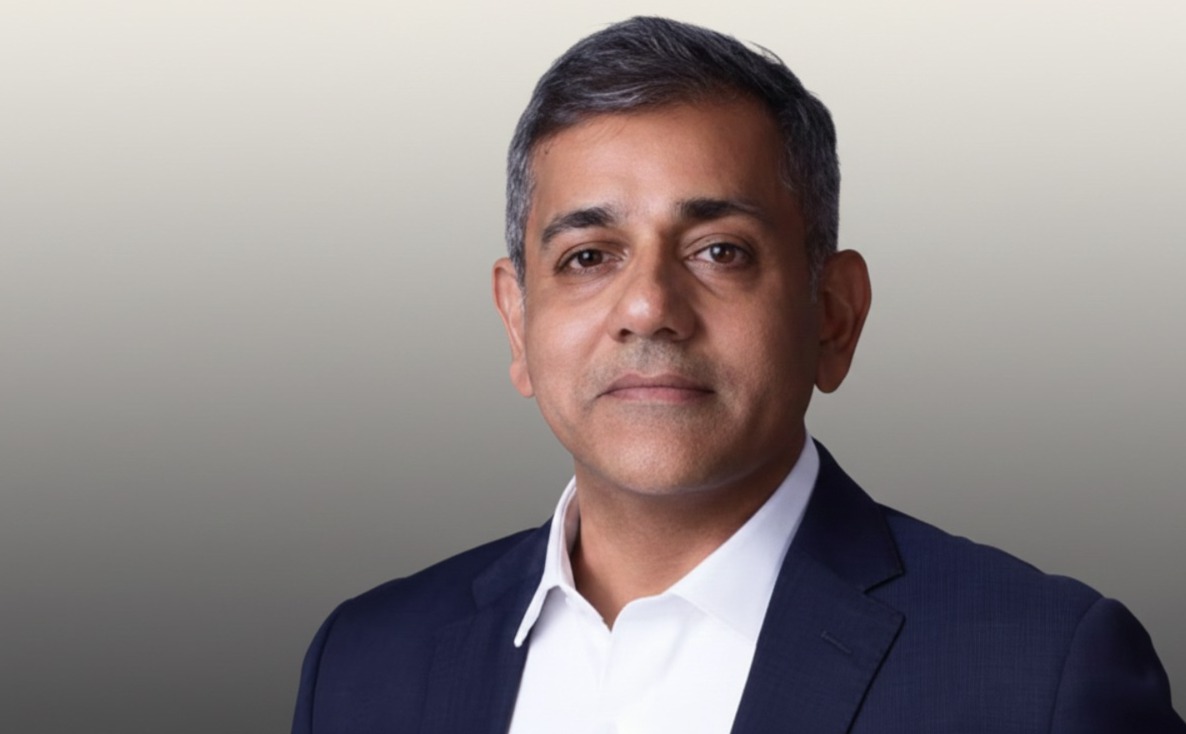
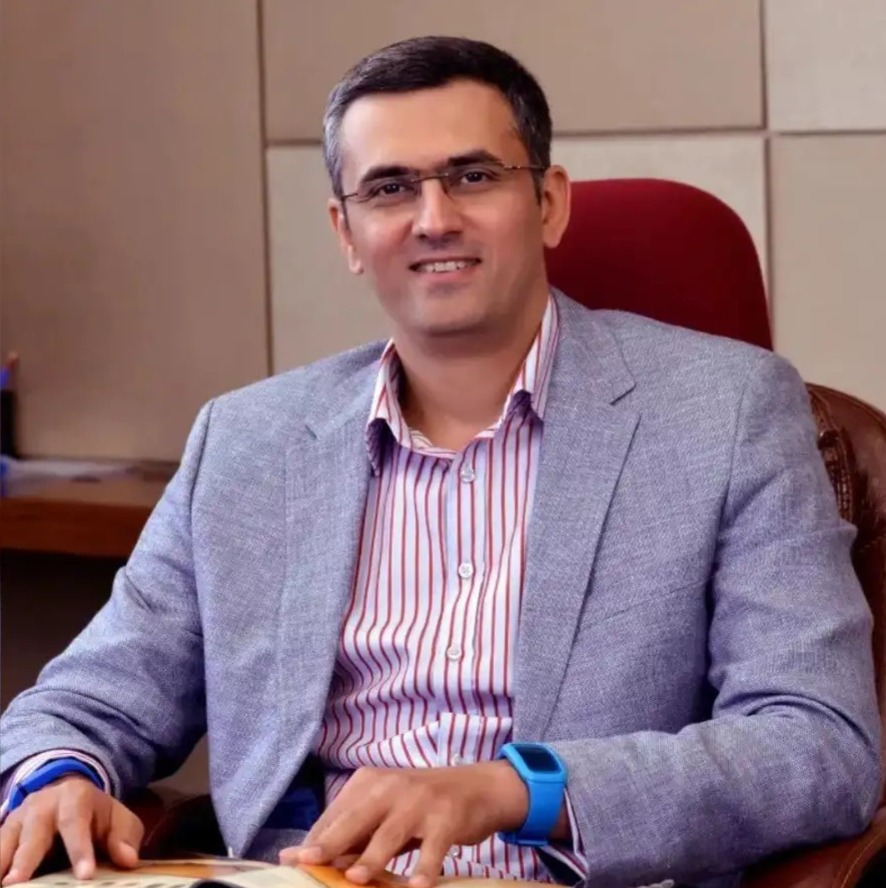
Yatra Online has announced a major leadership reshuffle, with co-founder Dhruv Shringi stepping down as chief executive officer to take on the role of executive chairman, while industry veteran Siddhartha Gupta has been appointed the new CEO, the company disclosed in a stock exchange filing on November 25, 2025.
Co-founder shifts focus to long-term vision and global push
Shringi, who has led Yatra since its inception, is moving into a more strategic role at a time when the online travel company is sharpening its focus on international growth and its business-to-business (B2B) engine.
In his new position as executive chairman, Shringi will work closely with the board and senior leadership team, guiding Yatra’s long-term vision with an emphasis on global expansion, innovation and shareholder value creation, according to the filing.
Describing the transition, Shringi called it a “privilege” to have led Yatra from a startup to what he termed one of India’s most trusted and innovative travel brands, serving both corporate clients and individual travellers. He framed the leadership change not as an exit, but as a carefully timed handover aligned with the company’s next phase of growth.
Siddhartha Gupta: Enterprise and SaaS-focused leader at the helm
The company has named Siddhartha Gupta as its new CEO, signalling a deliberate tilt towards leadership with deep enterprise and software-as-a-service (SaaS) experience. Gupta has previously worked with technology giants SAP and HP, as well as high-growth SaaS ventures in India and overseas, bringing a blend of global exposure and B2B operating experience to his new role.
Shringi underlined that background as central to the choice. He said Yatra is bringing in “the right leadership at the right time”, pointing to Gupta’s track record in enterprise sales and SaaS as a strong fit with the company’s “B2B-first strategy”.
B2B-first strategy at the core of the transition
While Yatra is widely known to consumers as an online travel booking platform, Shringi’s remarks make it clear that the company sees its B2B business, especially corporate travel management, as a key growth lever.
He said that Yatra has “always been ahead of the curve” in anticipating business needs and said Gupta’s expertise would help the company consolidate its leadership in India’s corporate travel space while opening up fresh global opportunities.
Shringi expressed confidence that under Gupta’s leadership, Yatra would strengthen its position in corporate travel and expand its footprint beyond India.
The emphasis on a B2B-first model is significant. It suggests that Yatra wants to deepen its role as a technology and service partner to enterprises, rather than remaining defined only by consumer-facing flight and hotel bookings. Gupta’s SaaS-heavy résumé supports that direction, as modern corporate travel platforms increasingly resemble enterprise software stacks, integrating expense management, approvals, policy compliance and analytics.
Continuity with change at the top
Leadership transitions at founder-led companies often raise questions about continuity. In this case, Shringi’s move to executive chairman, rather than a complete exit from management, indicates a calibrated shift rather than a break.
From the company’s own description, Shringi will continue to be closely involved in steering overall vision, with an explicit mandate to focus on long-term priorities such as global expansion and value creation for shareholders. Day-to-day execution, however, will be led by Gupta as CEO, with a stronger tilt towards scaling enterprise and SaaS-led offerings.
This structure, founder as executive chairman, seasoned operator as CEO, is a pattern that has frequently been used in the tech and internet space to balance continuity of vision with a fresh operational push. In Yatra’s case, it ensures that the original founder remains central to strategy while professional leadership is empowered to run the business in line with an evolving market.
What the reshuffle signals for Yatra’s next chapter
Within the limited detail shared in the stock exchange filing and accompanying comments, a few clear signals emerge:
- Sharper global ambition: Repeated references to “global expansion” and “unlocking new growth opportunities globally” indicate that Yatra is looking beyond India as a primary market, particularly in the corporate travel and B2B solutions space.
- Deeper enterprise focus: Gupta’s background, combined with Shringi’s emphasis on Yatra’s B2B-first strategy, suggests that enterprise travel, corporate clients and SaaS-like solutions will be at the heart of the company’s roadmap.
- Board- and strategy-led leadership model: With Shringi as executive chairman working in close alignment with the board and leadership team, Yatra appears to be formally elevating long-term strategic planning as a distinct function from day-to-day operations.
A carefully staged handover, not an abrupt exit
Crucially, there is no indication in the filing or public statements of any dispute or crisis-led change. Instead, the transition is framed as a considered leadership evolution designed to match Yatra’s changing priorities. Shringi’s own comments underscore his continued involvement and support for Gupta, reinforcing the narrative of a collaborative partnership at the top rather than a clean break.
By placing a founder at the head of the boardroom table and an enterprise technology specialist in the CEO chair, Yatra is effectively signalling where it believes its next phase of value will be created: at the intersection of corporate travel, software-driven solutions and global markets.
How that plays out in financial performance, market share or product evolution will depend on decisions yet to be disclosed. Yatra has opted for continuity of vision with a sharpened B2B and global lens, under a refreshed leadership structure that splits strategic oversight and operational execution between Dhruv Shringi and Siddhartha Gupta.
Also Read: Accel and Google Join Forces to Supercharge Indian AI Startups