



India’s artisanal cheese industry has taken a notable step onto the global stage after a strong showing at the Mundial do Queijo do Brasil 2026, held earlier this month in São Paulo. Four Indian cheeses secured top honours at the international competition, signalling growing recognition for a niche segment that is still developing within the country.
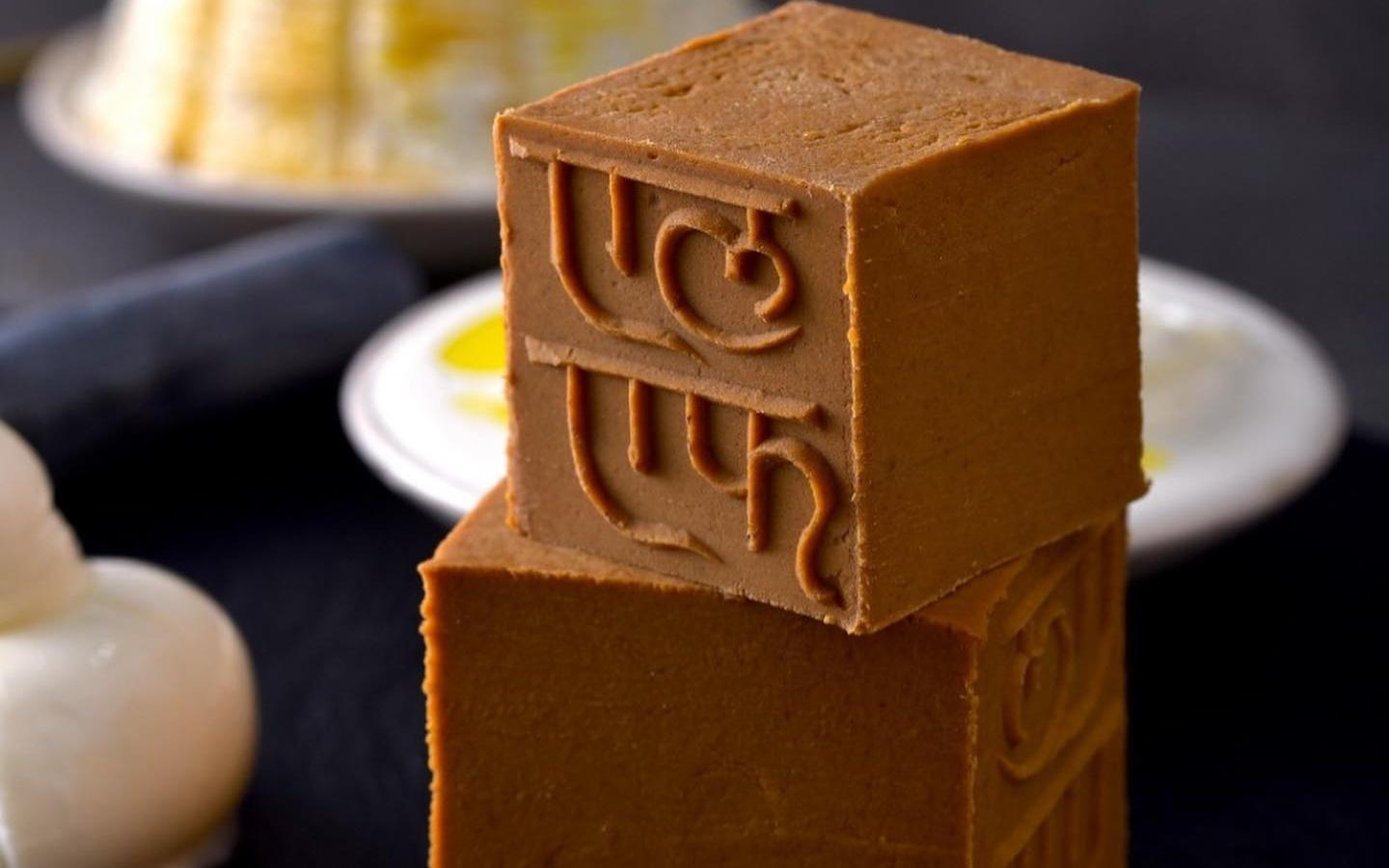
Among the standout performers was Mumbai-based Eleftheria Cheese, which earned the prestigious Super Gold award for its French-style brie, Gulmarg. The company also won a Gold for its Norwegian-style brunost and a Silver for Kaali Miri, inspired by Switzerland’s Belper Knolle. In addition, Ladakh’s Nordic Farm received a Gold for its Yak Churpi (Soft), highlighting the diversity of India’s regional cheesemaking traditions.
A Consistent Presence on the Global Stage
Founded in 2015 by Mausam Narang, Eleftheria Cheese has steadily built a reputation in international competitions. The company first participated in the World Cheese Awards in Spain in 2021, shortly after pandemic-related restrictions began to ease. Its entry that year, a brunost, faced delays in customs but ultimately secured a Silver award, marking an early milestone for the brand.
Since then, the company has taken part in global competitions annually, earning consistent recognition. The Brazil event stood out due to its unfamiliar setting, diverse flavour profiles, and a new panel of judges. The Super Gold win for Gulmarg marked a first at that level for the cheese, while the recognition of yak milk churpi underscored India’s wide-ranging dairy heritage.
Also Read: Spill Games: Building Faster, Smarter Mobile Games from Bengaluru to the World
From Personal Need to Growing Enterprise
Eleftheria Cheese began as a personal project after Narang returned to India and found limited access to the cheeses she had experienced abroad. She started making cheese at home, soon identifying a broader demand among well-travelled consumers seeking high-quality, artisanal options.
Within six months of launching, the company began supplying to restaurants, reflecting a clear gap in the market. Initially, the focus was on fresh cheeses such as burrata and mozzarella, which were either imported or transported over long distances despite their short shelf life. Local production offered chefs fresher alternatives, made using Indian milk.
During the Covid-19 pandemic, the business expanded into direct-to-consumer sales, as more households began incorporating artisanal cheeses into everyday meals, from breakfast to home entertaining.
Crafting Cheese in a Challenging Climate
Producing European-style cheeses in Mumbai presents technical challenges, particularly for varieties like brie. The ageing process, known as affinage, requires precise control over temperature and humidity. Gulmarg, for instance, begins without a rind and gradually develops a soft, bloomy exterior, with a creamy interior and characteristic earthy flavour.
Maintaining these conditions in a hot and humid climate requires specialised infrastructure. Eleftheria has developed temperature- and humidity-controlled ageing rooms to ensure consistency, adjusting processes to account for seasonal variations in milk quality.
Sourcing and Quality at the Core
The company primarily uses cow and goat milk, avoiding buffalo milk for certain cheeses due to its higher fat content. Goat milk sourced from a long-standing partner farm in Maharashtra contributes to more complex and nutty flavour profiles.
Eleftheria has built long-term relationships with farms across the state, paying a premium to maintain consistent quality. All its cheeses are vegetarian, made without animal rennet, aligning with the preferences of a large segment of Indian consumers.
Market Dynamics and Growth Potential
Despite India being one of the world’s largest milk producers, the artisanal cheese segment remains relatively small. While the overall cheese market is valued at around ₹10,000 crore, the artisanal category accounts for only a few hundred crores. However, it is expanding steadily, with double-digit growth rates indicating rising consumer interest.
Currently, around 60 per cent of Eleftheria’s sales come from the HoReCa segment, which includes hotels, restaurants, and cafés. The remaining share comes from direct consumers, a segment that saw significant growth during the pandemic.
Infrastructure Challenges and Logistics
One of the biggest hurdles for artisanal cheesemakers in India is the lack of robust cold chain infrastructure. Limited production volumes make large-scale refrigerated transport economically unviable. To address this, Eleftheria manages last-mile delivery through its own vehicles, while shipments to other cities are transported by air to maintain quality, despite higher costs.
Blending Tradition with Innovation
While European cheese styles continue to influence production, there is growing emphasis on creating cheeses that reflect India’s own regions and terroir. Traditional varieties such as Bandel demonstrate long-standing methods of milk preservation, and there is increasing recognition of their value.
At the same time, producers are experimenting with new styles that combine global techniques with local ingredients and conditions. Eleftheria’s approach reflects this balance, with products that draw from international traditions while adapting to Indian milk, climate, and tastes.
The recent wins in Brazil not only highlight the capabilities of individual producers but also signal a broader shift. India’s artisanal cheese industry, though still small, is steadily carving out a place on the global map.
Also Read: Google Eyes Up to $40 Billion Bet on AI Firm Anthropic