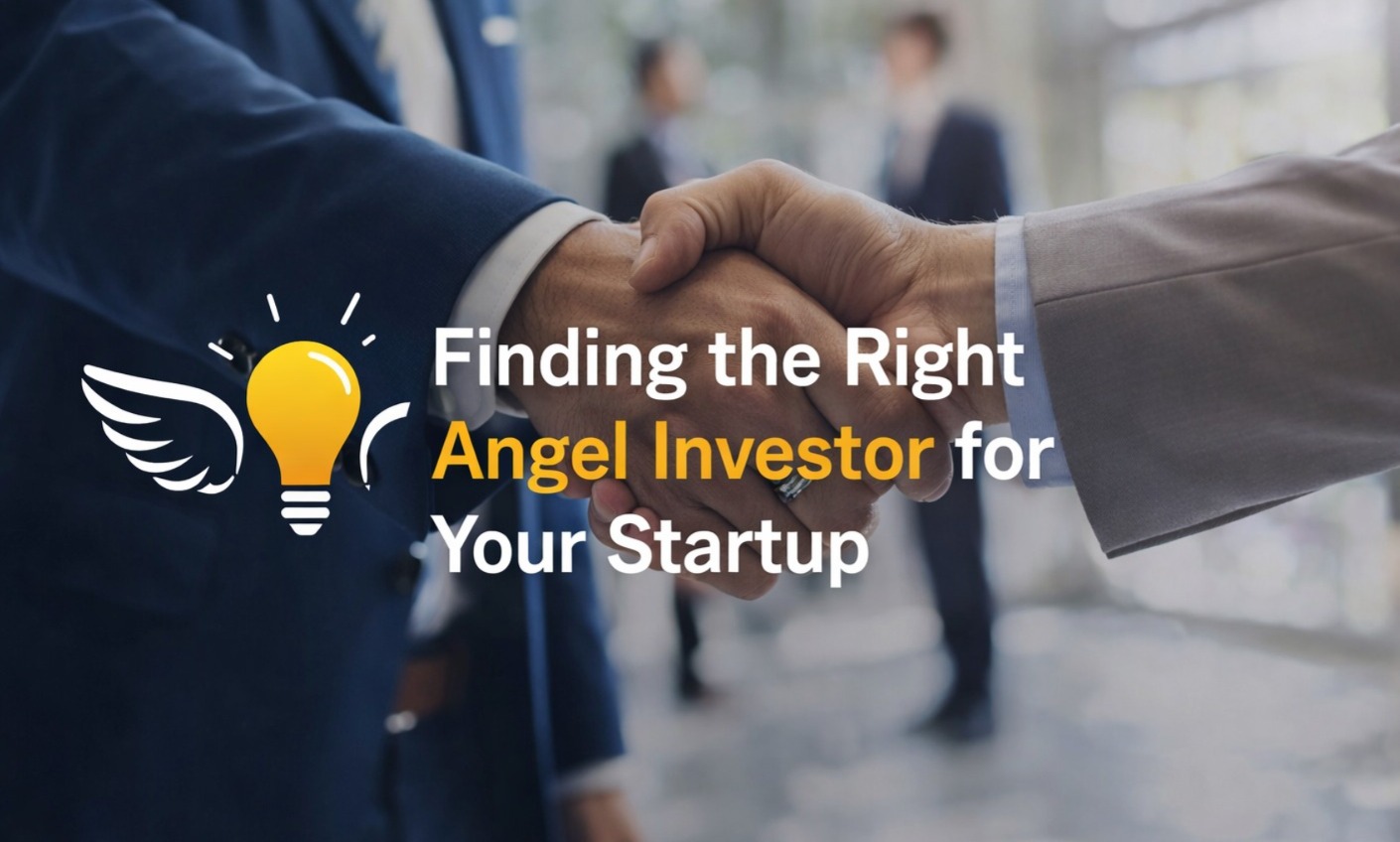
For first-time founders, raising funding from Angel Investor often feels like crossing a defining milestone. Pitch decks are polished, meetings are scheduled, and the emphasis is firmly on securing that first cheque.
However, according to a practical guide by Malte Witt, Vice President in Startup Banking at J.P. Morgan, the real challenge at the angel stage is not just raising capital, but choosing the right investor. The guidance draws from on-the-ground startup banking experience and focuses on how founders can avoid costly early mistakes while building long-term partnerships.
An angel investor is typically an individual who invests personal capital into an early-stage startup, usually in return for equity. But at this stage of a company’s life, the relationship goes well beyond capital. The right angel can shape strategy, open doors and steady the founder during inevitable periods of uncertainty. The wrong one can slow decisions, create friction and distract from execution.
Start with clarity on what you actually need
Before approaching investors, founders need to be honest about their own gaps. Is the startup struggling with go-to-market strategy, hiring, regulatory navigation or industry credibility? Angels bring different strengths, and clarity helps narrow the search. Founders who chase every available investor risk assembling a cap table that adds little beyond money.
Seasoned founders recommend prioritising angels who have invested before, those who understand that early-stage businesses rarely move in straight lines. Investors with repeated exposure to startups tend to be more patient and realistic about timelines, pivots and setbacks, reducing pressure when things do not go exactly as planned.
Look beyond the cheque size during Angel Investor Hunt
At the angel stage, investment amounts are usually limited. What distinguishes a strong angel investor is not how much they invest, but how they engage after the deal is done. Founders should assess whether an investor has a track record of helping startups through introductions, strategic feedback or hiring support. A smaller cheque accompanied by relevant access and experience often proves more valuable than a larger, passive investment.
Equally important is how the investor behaves when things go wrong. Angels who have seen failures as well as successes are more likely to offer calm guidance rather than panic-driven advice.
Choose between a generalist and a specialist
Angel investors broadly fall into two groups. Generalist angels, often former founders or operators, invest across sectors and bring a wide-angle view. They are particularly helpful in identifying common startup mistakes and improving execution fundamentals.
Specialist angels, on the other hand, have deep experience in a specific industry. For startups operating in sectors such as fintech, healthtech or deep tech, this domain knowledge can be critical. Such investors often bring not just insight but credibility, making it easier to engage customers, partners and later-stage investors.
The choice depends on the startup’s needs, but founders should be deliberate rather than accidental in making it.
Assess involvement, not interference
The ideal angel investor is available without being intrusive. Founders should observe how an investor asks questions during early conversations. Are they curious and constructive, or prescriptive and controlling? Angels who respect the founder’s role tend to offer support when asked and step back when not needed.
Clear communication on expectations, meeting frequency, decision involvement and response during crises, helps prevent misunderstandings later. Many founder-investor conflicts arise not from disagreement, but from mismatched assumptions.
Think long-term, not transactional
Angel investors often remain on the cap table for years. Their presence influences future fundraising rounds, board dynamics and even company culture. Founders should view angel funding as the beginning of a partnership, not a transaction.
Talking to other founders who have worked with the investor can offer valuable insight into their working style. Reputation travels fast in startup circles, and patterns, good or bad, tend to repeat.
A strategic first step
In the early days of a startup, capital keeps the company alive, but judgment determines whether it grows. Finding the right angel investor requires the same rigour founders apply to hiring key employees or choosing co-founders. When done right, the relationship can become one of the startup’s strongest assets. When rushed, it can become an early and avoidable liability.
For founders navigating their first fundraise, the message is simple: raise money, but raise it from people who genuinely improve your odds.
Also Read: Fastest and Most Convenient Way to Create and Break a Fixed Deposit