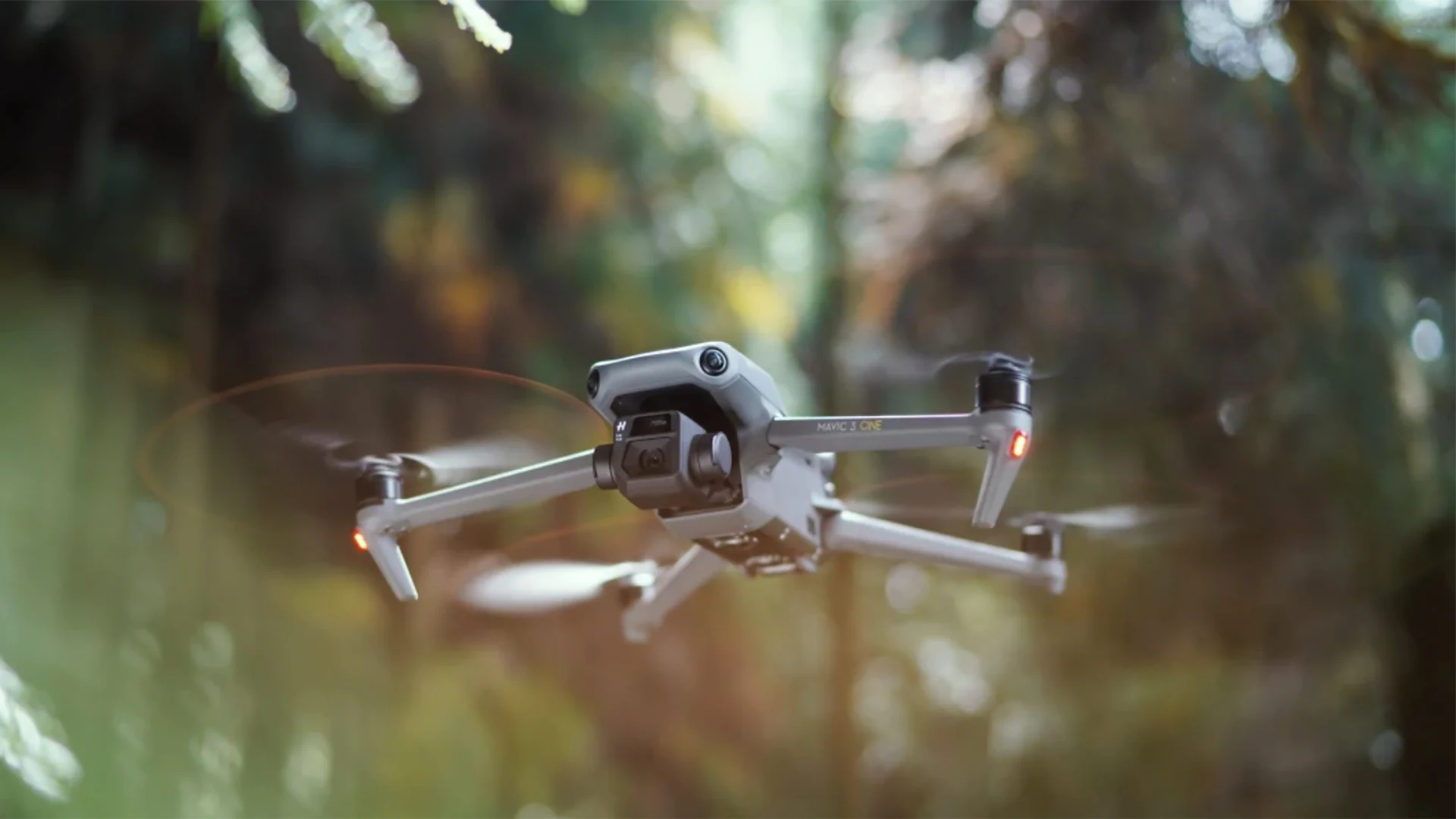
India’s central government has released the Draft Civil Drone (Promotion & Regulation) Bill, 2025 under the Ministry of Civil Aviation. The draft seeks public comments until September 30, 2025.
Some key proposals include:
- Mandatory registration for all civil drones; every drone will need a Unique Identification Number (UIN).
- Type certification for manufacturers, no drone can be sold, transferred or operated without DGCA type certification.
- Compulsory insurance and compensation rules: third-party liability, fixed compensation in death or grievous hurt cases.
- Safety and security features, including mandatory features to prevent tampering and ensure traceability.
- Stringent penalties for non-compliance: fines up to ₹1 lakh, imprisonment up to three years in serious cases.
The Bill excludes drones used by the armed forces and those above 500kg in weight.
Opportunities for Businesses
- Clearer Legal Framework leads to Investor Confidence
- With defined registration, certification, insurance, and liability norms, businesses will find it easier to scale without legal uncertainty. Investors often shy away when regulations are vague, the Bill helps reduce that risk.
- Domestic Drone Manufacturing & Component Localisation
- Requirements like UIN, type certification, and safety features will push more manufacturing to happen locally. Related firms (motors, sensors, flight controllers) will have demand. India’s push for Atmanirbhar Bharat in drones already includes incentives; this Bill can accelerate velocity.
- New Use Cases Open Up
- With regulations enabling beyond-visual-line-of-sight (BVLOS) operations and stricter airspace norms, businesses in agriculture, delivery/logistics, inspections (oil, power, agriculture), drone commuting, and emergency services can expand.
- Service & Insurance Ecosystem Growth
- Demand for pilot training, insurance coverage, safety infrastructure, tracking technologies will grow. Drone service-providers, maintenance firms, data analytics, etc., stand to benefit.
Challenges & Risks That Still Loom
- Cost of Compliance
- Certification, insurance, safety systems, these add costs. For smaller startups or hobbyists, transitioning to certified, compliant drones could be expensive.
- Ambiguity and Enforcement Uncertainty
- Some parts of the Bill leave rules to be prescribed via notifications later; ambiguity in timing, implementation, and what features are mandatory could lead to confusion.
- Penalties Might Stifle Innovation
- Strong penalties (jail terms, confiscation, etc.) may discourage experimentation, especially by smaller firms, researchers, or startups that cannot risk heavy legal exposure.
- Infrastructure & Airspace Management
- Managing drone traffic, avoiding conflicts with manned aircraft, ensuring safety over populated areas, all require robust air traffic regulation tools, monitoring, enforcement, and secure tracking systems.
India’s Drone Future
India is trying to strike a balance: encourage innovation and growth in drone technology, while making sure safety, accountability, and public interest are protected. If businesses and regulators get this right, the drone sector could be a major economic driver in the coming years from local manufacturing jobs to new service businesses and logistics models. But success will depend a lot on how fairly, clearly, and quickly rules are implemented.
Also Read: FireAI raises ₹4 crore to expand AI analytics platform