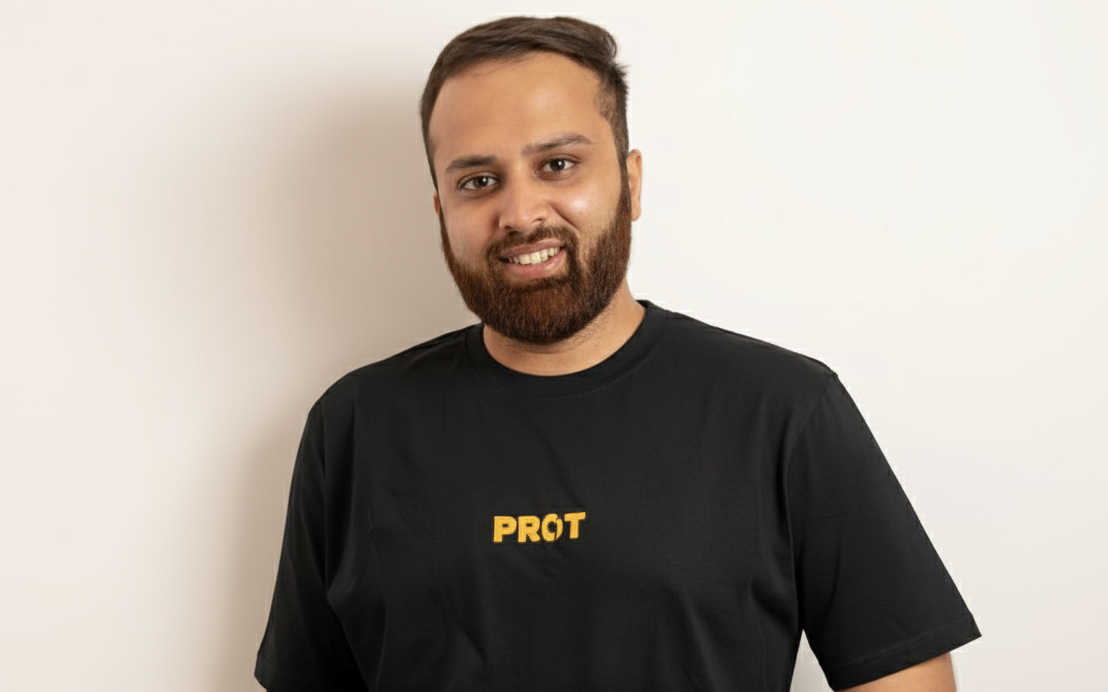
In the heart of Mumbai’s thriving food innovation scene, a new challenger is rising to redefine India’s protein landscape. Prot, formerly known as Seaspire, has unveiled Prot Block, a shelf-stable plant-based protein ingredient designed for health-conscious consumers seeking variety beyond paneer, tofu, and soy-based options.
The New Obsession of Urban India
Walk into any metropolitan supermarket today and it’s impossible to miss it, protein is everywhere. From protein-enriched coffee to fortified kulfi and even water, India’s fitness and nutrition boom has propelled protein to cult status.
The buzz is not without reason. Studies suggest that up to 73% of Indians are protein-deficient, yet recent analyses indicate that true deficiency risk, when adjusted for digestibility, remains low in adults. Regardless, the perception has created an enormous market opportunity for health-forward brands.
The Vegetarian Advantage Meets a New Challenge
With the world’s largest vegetarian population, India’s shift toward plant-based nutrition feels inevitable. However, while meat alternatives and tofu are making inroads, they remain niche products, primarily confined to tier-1 and select tier-2 cities.
Here, health and functionality, not veganism, are driving purchase decisions. Surveys show that protein content and health benefits rank as top motivators for buyers of plant-based products, far ahead of affordability or ethics. The result? A vegan market that grew 18% between 2021 and 2024, and is projected by Ipsos to expand 18-fold within a decade.
Prot Block Redefines the Category
Prot’s new innovation, Prot Block, stands apart. Neither a tofu imitation nor a faux meat substitute, it is a standalone protein format meant to fit seamlessly into Indian cooking.
Available in Plain and Tandoori variants, each 100g block packs 15g of protein, 10g of fibre, and just 7g of fat, making it both nutrient-dense and lighter than paneer, with one-third the saturated fat.
“Our goal was never to rival tofu or paneer,” says co-founder Varun Gadodia. “Consumers are simply seeking new protein textures that fit their diets without the baggage of being called an ‘alternative’.”
This clarity of positioning allows Prot to sidestep the “soy clutter” that has long dominated Indian vegetarian proteins, offering something familiar yet refreshingly different.
A Soy-Free Shift
At the heart of Prot Block lies pea protein, specifically textured pea protein and pea protein isolate, alongside wheat fibre and natural spices. The decision to skip soy was intentional.
“Soy products like tofu and chaap already saturate the market,” Gadodia explains. “Our aim was to set new standards for pea protein adoption in India, where it’s currently limited to supplements.”
The move also aligns with a global trend toward soy-free innovation, seen in European brands like Revo Foods (Austria) and Oh So Wholesome (UK), which are pioneering whole-food protein formats that don’t mimic meat but prioritize nutrition and versatility.
Also Read: Banana Club’s ₹12.25 Crore Boost Signals Rise of Modern Indian Menswear
Shelf-Stable, Allergen-Free, and Versatile
In a country where cold-chain logistics remain a bottleneck, Prot’s shelf-stable formulation is a game changer. The product’s long shelf life minimizes waste and increases accessibility, making it viable for both households and restaurants nationwide.
Prot Block can be used in a variety of applications, from curries and wraps to rice bowls and barbecue dishes. Future iterations may even extend into the ready-to-eat snack segment, inspired by formats like halloumi sticks and cheese bites.
Consumer Backing and Government Potential
Before launch, Prot conducted a closed-group pilot with over 500 consumers, including fitness enthusiasts, home cooks, and early adopters. Feedback was “overwhelmingly positive,” particularly around taste, texture, and usability.
Despite India’s robust dairy consumption, Gadodia notes that the country remains “largely protein-deficient”. He argues that government intervention, similar to its push for millets, could accelerate the plant protein sector, especially through policy support and supply chain investment.
Experts have echoed this sentiment, calling for a national plant protein mission to establish India as a leader in sustainable nutrition.
A Premium Price for a Premium Promise
Priced at ₹199 for 200g, Prot Block sits above paneer but within the comfort zone of India’s urban health segment. Gadodia recognizes the high price but explains it as “value-driven pricing” which is in line with the money that early adopters are willing to pay for a differentiated nutrition.
By the time Prot will be able to produce at a large scale, the company plans to lower the cost through greater efficiency and higher volumes and at the same time increase its retail presence. The startup has also developed partnerships with restaurants where they feature specially designed menus and kitchen takeovers to create awareness.
Pre-Seed Funding Secured
To sustain momentum, Prot recently closed a pre-seed funding round to accelerate growth and expand its footprint in the consumer packaged goods (CPG) space. An investor announcement is expected soon.
Meanwhile, other players are also diversifying India’s plant protein ecosystem. Blue Tribe Foods, backed by Anushka Sharma and Virat Kohli, recently launched Klaw, a line of protein puffs made from “supergrains,” underscoring the growing appetite for innovation in functional nutrition.
A New Chapter for Indian Protein
Prot’s journey with Prot Block is a major milestone for India’s plant-based sector which is a sector that focuses mainly on nutrition, convenience, and inclusivity rather than imitation.
As such, it has the potential to be a landmark case that not only opens the doors to a new generation of Indian-made plant protein products with global appeal but also serves as the dawn of a new era of protein self-sufficiency in a health-conscious nation.
Also Read: HYDGEN Raises $5 Million to Scale Its On-Site Hydrogen Technology