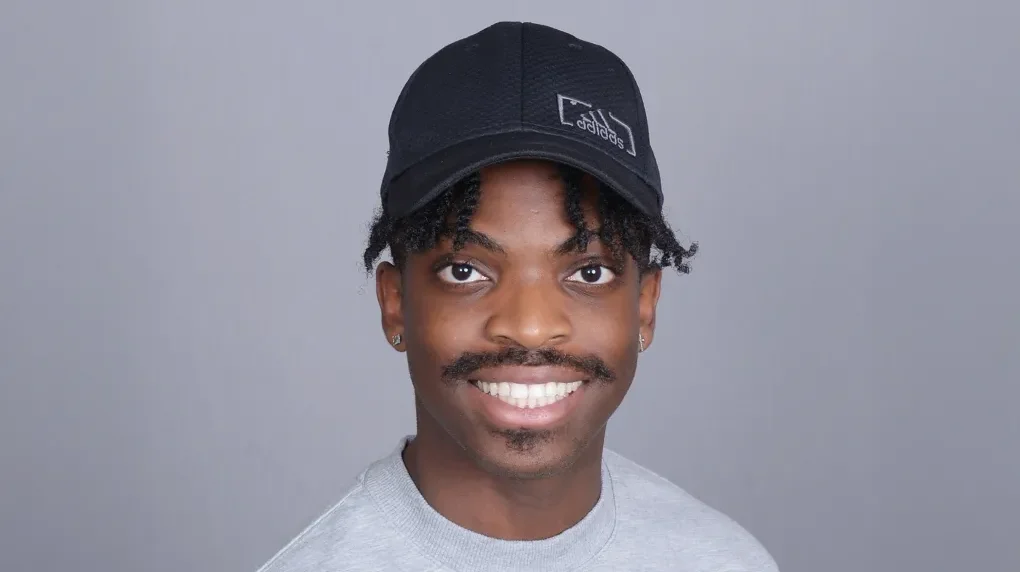
On most mornings, 22-year-old Elijah Khasabo starts his day like any other software founder: clearing overnight emails, checking product metrics, and fixing whatever bug surfaced while he slept.
Then, while many startup CEOs head into back-to-back meetings, Khasabo closes his laptop, grabs his backpack, and walks to class.
Khasabo is the founder of Vidovo, a user-generated content platform for short-form video that allows creators to make, share, and earn from their clips. The company, which began as a bedroom project, is on track to cross $1 million in revenue this year, even as its creator works through his final year at the University of Massachusetts Amherst.
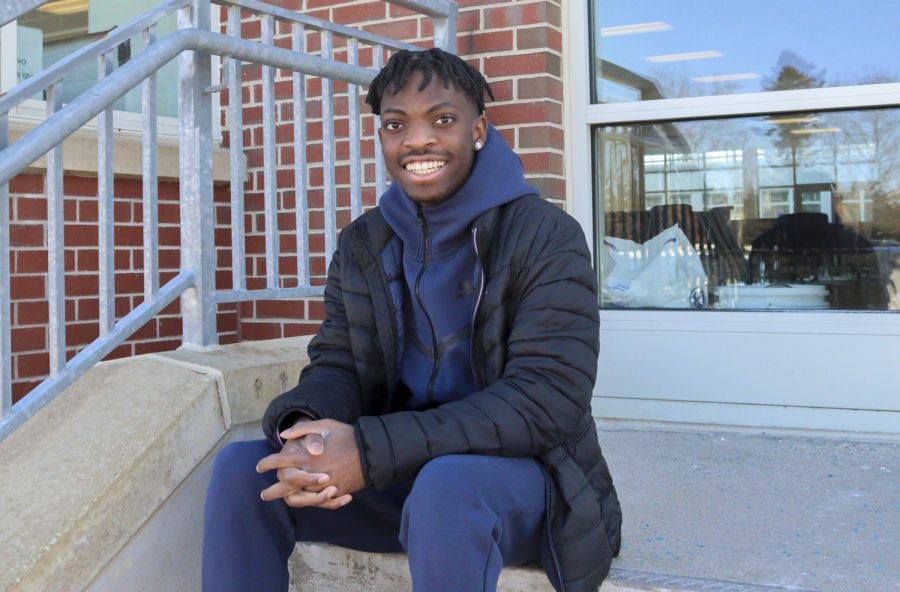
At a time when much of Gen Z openly questions whether a university degree is worth the debt and delay, Khasabo is deliberately choosing both paths: scaling a software business and finishing college.
Vidovo: From Discord experiment to serious startup
Khasabo’s route to entrepreneurship began long before Vidovo had a name.
As a teenager, he set up a Discord server where strangers could swap stock-market ideas. The experiment took off far faster than he expected: within roughly two and a half months, the community swelled to about 30,000 members, offering an early lesson in what happens when you build the right digital space for a passionate niche.
He later moved into e-commerce, testing the waters of drop-shipping. The real turning point came when he bought a user-generated video to promote a product, only to watch the clip explode online, drawing about 15 million views. That single piece of content revealed how powerful creator-made videos could be for brands, and how disorganized the market was for producing them at scale.
Vidovo emerged from that gap: a platform that connects brands and creators around short-form, user-generated videos, and gives everyday people a way to monetize what they make.
A company built in a bedroom and between classes
Vidovo began while Khasabo was still in community college. Product work happened in the same bedroom where he slept; sales calls were squeezed in around assignments and exams. As the platform started to grow, he was also preparing to transfer into a four-year institution.
That meant running early-stage startup operations in parallel with a major life transition: keeping Vidovo’s product moving, talking to customers, and figuring out how to manage a growing business while also adjusting to a new campus, classmates, and coursework.
He admits that, more than once, the momentum of the company made him wonder if he should simply leave college behind. He delayed moving back to campus this semester until just 14 hours before his first class, an emotional tug-of-war between a business hitting its stride and a degree he’d promised himself, and his mother, he would complete.
Why he hasn’t dropped out?
For Khasabo, staying in school is not about hedging bets in case Vidovo fails. It’s about what the campus gives him that a rapidly growing startup cannot: a dense web of people who might shape his future.
He sees college less as a collection of lectures and more as a long-running networking event. Hallway conversations, group projects, and late-night debates are all, in his view, part of building a network that could matter years from now. As he puts it, you never really know where the student you met yesterday will be three years down the line.
Having spent a recent summer working in New York, he has also gained what he calls a “real-world” filter: a better sense of how workplaces function, and a clearer idea of how to use his time when he returns to campus. That experience, he believes, makes it easier to decide which classes, projects, and relationships are worth the effort.
Crucially, finishing his degree is also a personal commitment. Khasabo has said that if Vidovo had already been much larger before he enrolled, he might have chosen not to pursue college at all. But given the timing, he now treats university as a complement to his entrepreneurial life, not a distraction from it and as a promise he intends to keep to his family.
The campus edge for founders
Khasabo’s story fits into a long pattern of companies built in and around universities. Some of today’s best-known tech names, including Databricks and SoundHound AI, started on campus, and Facebook famously began in a Harvard dorm room before becoming one of the most valuable companies in the world.
These examples remain outliers, but they sit against a broader backdrop: research cited in the same context has found that around half of Gen Z say they want to start their own business at some point.
For that cohort, college is increasingly becoming one of several parallel tracks, alongside side hustles, creator ventures, and early startups, rather than a single, all-consuming focus.
When Khasabo talks about college, he rarely mentions exams or grades. Instead, he stresses three things: learning directly from people who’ve done more than he has, building a healthy social life that doesn’t revolve solely around work, and finding ways to offer value to others on campus.
Those priorities mirror how he built earlier projects: spotting where people naturally want to gather, first for stock tips on Discord, now for video creation opportunities and then designing around that behavior.
In that sense, the university setting acts almost like a live laboratory for Vidovo’s founder. He is surrounded by potential collaborators, early adopters, and future colleagues, all while running a real business that must continue to grow beyond the campus bubble.
A different kind of success story for Gen Z
Khasabo’s path doesn’t fit neatly into the familiar dropout-founder myth or the traditional graduate-then-get-a-job storyline. Instead, it sits somewhere in between: a Gen Z entrepreneur proving that it is possible, if exhausting, to build a significant software business while still making it to class on time.
For now, he’s content to keep walking that thin line: one foot in the high-stakes world of startup building, the other firmly planted in lecture halls and campus corridors.
If Vidovo continues on its current trajectory, his eventual diploma will mark not the end of his education, but the conclusion of an unusually intense double major, one in computer science and class credits, the other in learning, in real time, how to build a company from his bedroom.
Also Read: Ranketta Raises €1 Million to Help Brands Be Seen in the Age of AI Search