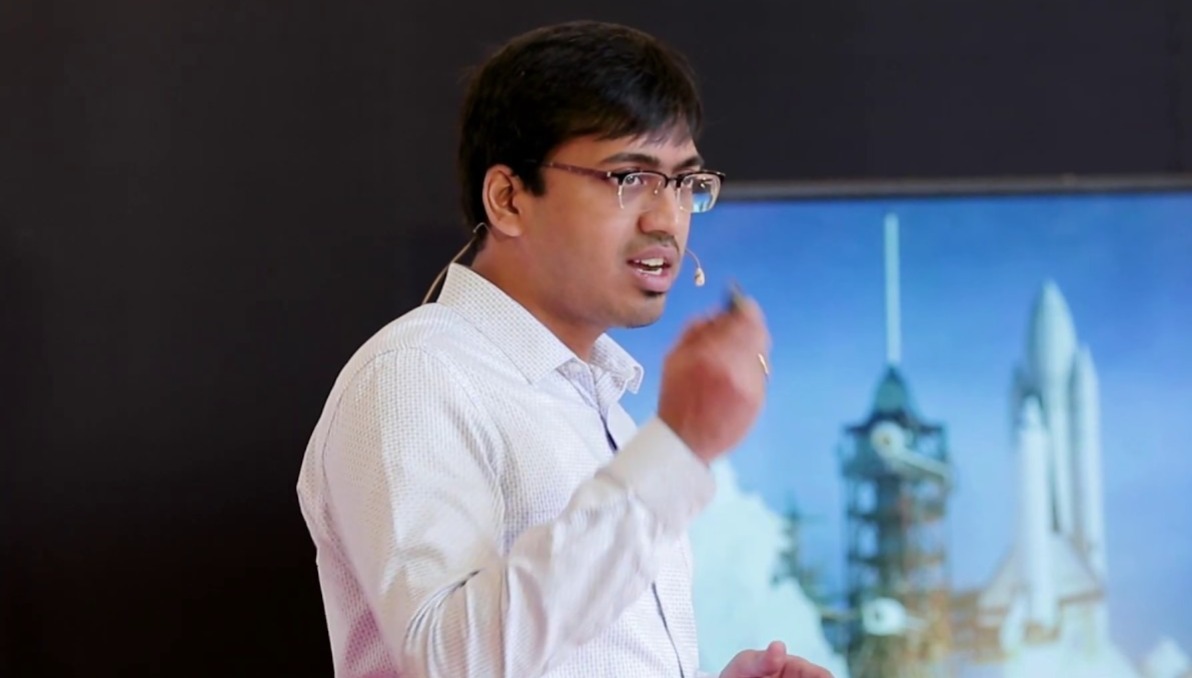
Hours after ISRO’s PSLV-C62 flight encountered issues mid-mission, Pawan Kumar Chandana, the co-founder of Indian private launch company Skyroot Aerospace, issued a very public message in support of the space agency, and framed the result as one of those difficult, if familiar, realities of spaceflight-even the most reliable rockets sometimes falter, and the true measure is how fast teams learn and come back.
“Sad to learn PSLV-C62 mission didn’t go as planned,” Chandana wrote, adding that “even the most reliable launch vehicles stumble at times,” and stressing that what matters is the speed of learning and bouncing back. He ended with a vote of confidence in ISRO’s track record: “ISRO has always come back strong. Wishing the team a swift return to the launch pad.”
What happened on PSLV-C62?
PSLV-C62 lifted off from Sriharikota at 10:17 am IST on Monday on the PSLV-DL configuration, with the flight proceeding normally through the early phases . The mission later encountered an anomaly near the end of the third stage (PS3), after which the vehicle deviated from the intended flight path.
ISRO chief V. Narayanan said the vehicle’s performance “at the end of the third stage was nominal,” but a disturbance in roll rates and a deviation in flight path were observed, and the agency is analysing flight data to determine what went wrong.
The mission carried 16 satellites and did not achieve the intended orbit insertion outcome .
Why Pawan Kumar Chandana’s post stands out?
Chandana’s message comes at a time when the Indian space domain is not a oneorganization concern anymore. Launch and satellite companies are part of the same environment that ISRO created. Thus, an interruption in PSLV is not simply a news item; it is a common ground for the entire space industry.
His phrasing also avoids the usual noise that follows a high-visibility setback. No grandstanding, no armchair diagnosis, just a clear point: reliability is earned over time, and resilience is proven after a fall.
ISRO’s Official Statement
“A detailed analysis is being done, and what we need to find out immediately is what caused this problem in roll rate and flight path,” a spokesman for ISRO explained, “because in launching systems, the return is not based on optimism, but on thorough troubleshooting.”
For now, Chandana’s post captures the mood many in the space community recognise after a tough mission day: disappointment, respect for the difficulty, and confidence that ISRO will regroup and fly again.
Also Read: Proptech Startup Flent Raises $2.5 Million in Pre-Series A Funding Round