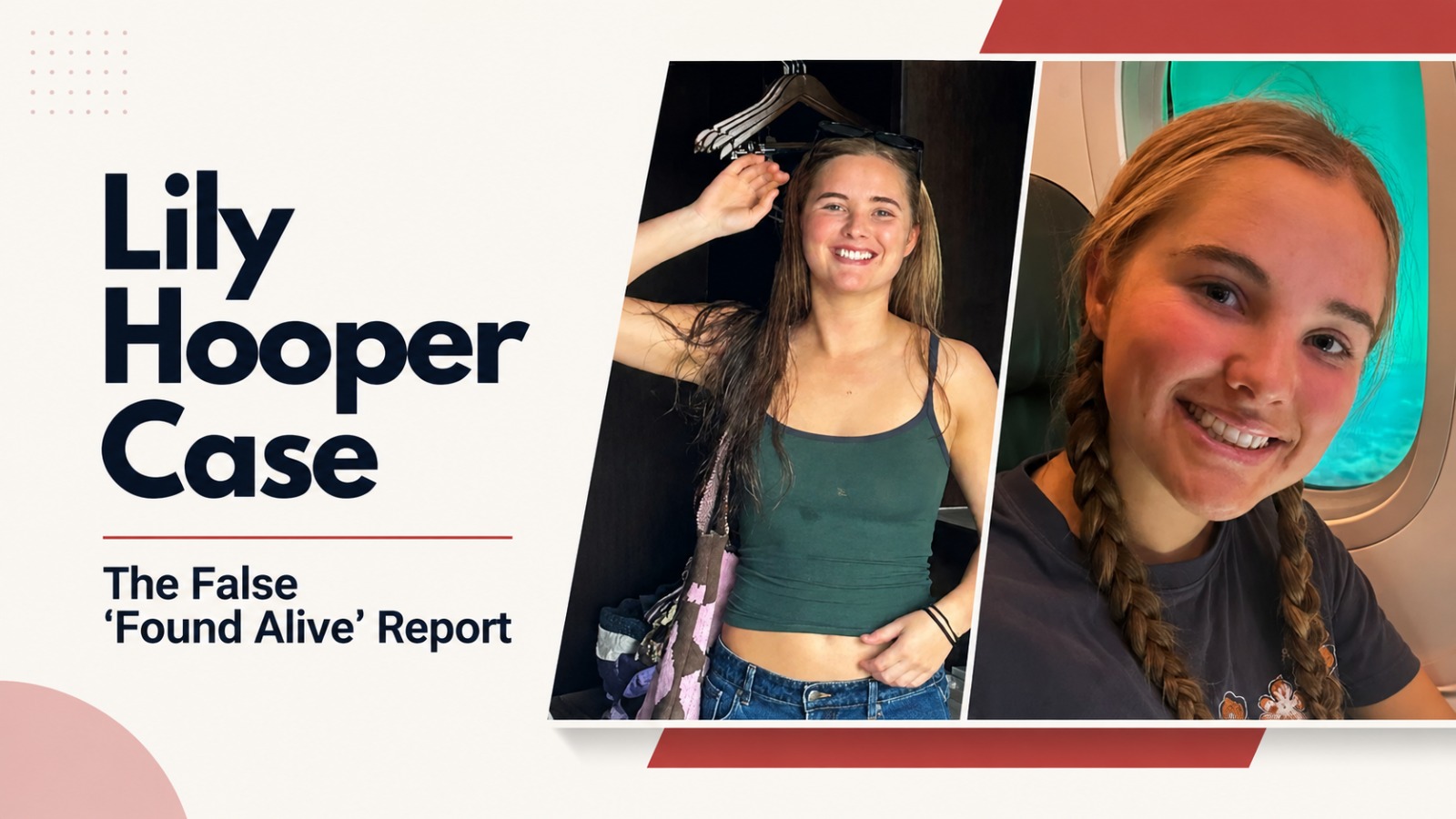
For a few extraordinary minutes, the search for 18-year-old Lily Hooper appeared to have reached the ending everyone had hoped for.
After more than a week of searching rugged bushland in New South Wales, information began moving through emergency-service and government channels that the missing teenager had been found alive.
The news reached NSW Premier Chris Minns. He told parliament that Lily had been found alive, even mentioning an oddly specific detail: she had “half a bottle of water”.
Then, within minutes, everything changed.
The information was wrong.
Lily had been found dead.
What followed was not only grief over the death of a young bushwalker, but an urgent question about how an inaccurate message from a remote search site travelled far enough, and with enough authority, to be publicly announced before Lily’s condition had been properly confirmed.
That question is now at the centre of an investigation into the communication failure.
What happened to Lily Hooper?
Lily left her Sydney home on Wednesday, August 12, for a hike in the Southern Highlands. Initial police inquiries indicated that she reached the summit of Bonnum Pic mountain during the morning after sending messages from the trail earlier that day.
When she did not return that evening, she was reported missing. Emergency services subsequently found her car near the trailhead on Wanganderry Road at High Range.
A major search followed in and around Nattai National Park, roughly 90 kilometres south-west of Sydney.
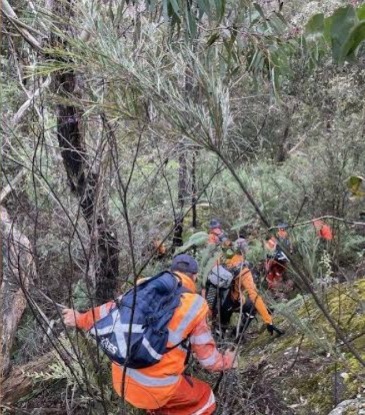
The terrain made that effort particularly difficult. Police described dense bushland and heavy tree cover that complicated aerial searching, while poor weather over the weekend added another obstacle.
The operation grew considerably. More than 100 Australian Defence Force personnel had joined the search in the final 24 hours, working alongside NSW Police, PolAir, the State Emergency Service, Rural Fire Service, Fire and Rescue NSW, the National Parks and Wildlife Service and other volunteers.
Then came the breakthrough everyone had been waiting for.
But the first account of that breakthrough was disastrously wrong.
The 10 minutes that changed the story
NSW Police Assistant Commissioner Joe Cassar said the first information coming from the thick, difficult terrain where Lily was located indicated that she had been found alive.
Within about 10 minutes, however, a more accurate account was relayed to police by an SES search volunteer. Lily was dead.
Before the correction arrived, the initial information had already travelled much further.
Minns told parliament that Lily had been “found alive” with half a bottle of water.
Minutes later, he returned with a devastating correction.
“I’ve got some terrible news. I apologise … it seems as if the earlier advice was wrong,” the premier said before confirming that Lily’s body had been found.
Minns later said he had received incorrect advice and genuinely believed he was delivering good news. He also apologised to Lily’s family for any additional distress his announcement may have caused.
The sequence immediately raised an uncomfortable question: where exactly had the false impression that Lily was alive come from?
Why ‘half a bottle of water’ became so important
One account of the communications failure places the apparently ordinary phrase “half a bottle of water” at the heart of the confusion.
News.com.au reported that an internal investigation would examine a breakdown in communications between agencies involved in the operation, including the use of what it described as a commonly used SES code phrase, “half a bottle of water”. The report said the phrase was misunderstood as information moved through the response chain.
That detail gives the mistaken announcement an unusual and troubling dimension.
The words were apparently meant to help manage sensitive information surrounding the discovery. Instead, according to the report, they became part of a message that ultimately contributed to authorities believing Lily had been located alive.
Police sources cited by News.com.au said another responding agency initially advised police that the 18-year-old had been found alive in Nattai National Park. Police officers then passed that status through command channels before it had been physically verified by rescue personnel.
The investigation is expected to examine the exact wording passed from personnel in the field and why the information was treated as confirmed before Lily’s condition had been independently established.
In other words, the central issue is not simply that incorrect information existed for several minutes. It is how that information crossed multiple levels of an emergency response without being stopped for verification.
From relief to heartbreak
For Lily’s family, the communications failure unfolded at the worst possible moment.
The search had already lasted more than a week. Her family and volunteers had joined professional emergency crews on the ground while authorities concentrated on sections of the Bonnum Pic walking trail.
Then came apparent confirmation that she had survived.
Almost immediately, that hope disappeared.
NSW Police initially said a woman’s body had been located in bushland during the search and was believed to be that of the missing 18-year-old. Police said a report would be prepared for the coroner.
The available reports do not establish Lily’s cause of death. Any explanation of how she died would therefore go beyond the confirmed information currently available.
Authorities now face a second investigation
The search for Lily is over, but scrutiny of the response is not.
News.com.au reported that an internal investigation would examine the inter-agency communication breakdown that produced the false “found alive” report.
The mistake appears to have involved several separate stages: information emerging from difficult terrain, communication between responding agencies, the interpretation of particular wording, transmission through police command channels and, finally, public statements made before the original report had been fully verified.
Cassar acknowledged the complexity of communicating during an emergency response, telling reporters: “There’s no playbook to communication.”
The investigation will now have to determine exactly where the chain failed.
A search that drew national attention
Lily’s death prompted condolences from political leaders beyond NSW.
Prime Minister Anthony Albanese described it as an “unspeakable tragedy” and said Lily “had so much more to offer the world”.
Federal opposition leader Angus Taylor, whose electorate includes the area where the Hooper family lives, also expressed his condolences, saying parents hearing the news would think of Lily’s family and their loss.
But alongside those tributes is a communications failure that authorities will now have to explain.
The most haunting detail may be the simplest one.
“Half a bottle of water” sounded like an ordinary piece of information about a missing hiker who had survived days in the bush. Instead, it became part of a chain of misunderstanding that briefly transformed devastating news into a national announcement of hope.
For Lily Hooper’s family, the correction came within minutes.
For the agencies involved, understanding how those minutes happened could take considerably longer.
Also Read: Peeko raises Rs 67.4 crore Series A, plans to double Bengaluru dark stores