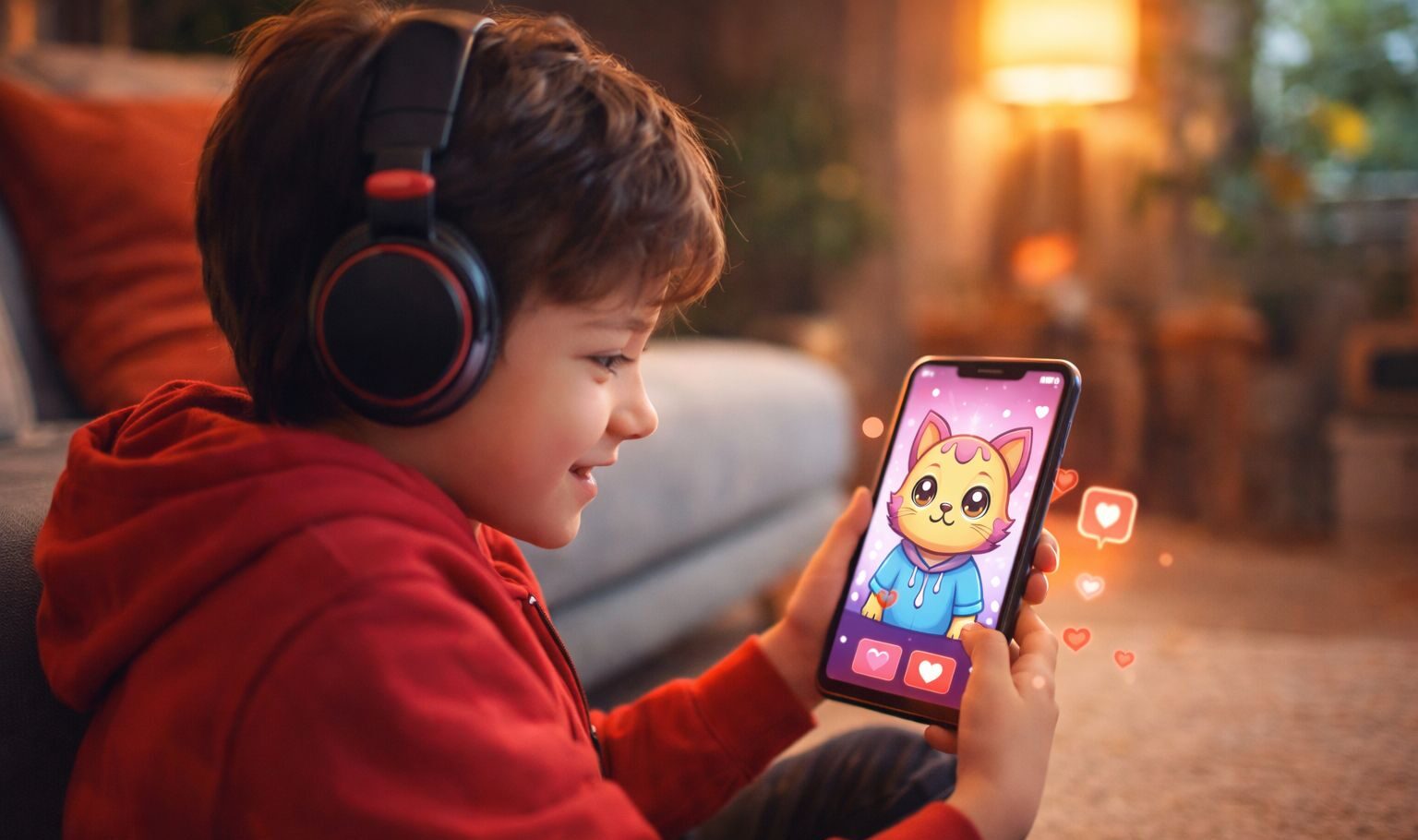
Artificial intelligence is no longer limited to offices, factories, or back-end systems. It is slowly entering one of the most personal spaces of human life: companionship. One of the clearest signs of this shift is the growing popularity of AI-powered virtual pets and digital companions.
These AI pets are not just games. They can talk, remember interactions, show simulated emotions, and evolve over time. For millions of people worldwide, these are becoming a source of solace, daily living, and emotional bonding.
The Evolution of Digital Pets
The idea of caring for a virtual pet dates back to early digital games like Tamagotchi. Those pets required attention but followed fixed rules. Today’s AI pets are far more advanced. They use generative AI and language models to respond naturally and adapt their personalities based on user behaviour.
Apps like Pengu allow users to raise a virtual pet alone or with others, turning the experience into a shared activity. By the end of 2025, Pengu had more than 15 million users worldwide, indicating that the idea of digital companionship has expanded way beyond niche gaming.
Also Read: Former Google VP Peeyush Ranjan Launches AI-First EdTech Startup Fermi AI
Why Investors Are Interested
The rise of AI pets has attracted serious investor attention. In September 2025, the gaming startup Born, which developed Pengu, raised a total of 25 million dollars in funding. This reflects a wider belief in the tech industry that consumer-focused AI may be the next major growth area.
While much of AI development has focused on enterprise tools and infrastructure, virtual pets represent a shift toward products designed to entertain, engage, and emotionally connect with everyday users. Startups see this space as an opportunity to bring AI into daily life in a meaningful and accessible way.
India’s Growing Interest in AI Companions
India has emerged as a fast-growing market for AI pets and digital companions. Several social and economic factors are driving this trend. Urban lifestyles are becoming busier and more isolated, especially for students and young professionals living away from family. At the same time, owning a real pet is often difficult due to space constraints, costs, and housing rules.
Affordable smartphones and low-cost internet have made AI apps widely accessible. Young users, especially Gen-Z, are comfortable forming connections via digital platforms. As a result, AI companions are increasingly being used not just for entertainment, but also for emotional support and shared family activities.
Currently, the market for AI companions, including virtual pets and chat-based companions, is worth more than 150 million dollars, and it is anticipated that the market will expand at an impressive rate in the coming years.
Emotional Comfort and Mental Well-being
AI pets appeal to users because of their constant availability. They respond without judgment, remember conversations, and provide predictable interaction. For people dealing with stress, loneliness, or anxiety, this can feel comforting.
Therapists recognise that virtual companions may give a safe outlet for emotions, support the formation of daily habits, and help to overcome feelings of isolation.
When Attachment Becomes a Concern
Despite these benefits, experts warn of potential risks. AI pets are designed to be emotionally responsive, which can lead some users to form strong emotional attachments. In certain cases, people may begin prioritising their AI companion over real relationships.
Psychiatrists in India have reported instances where individuals experienced emotional distress due to overdependence on AI companions. Since AI systems are programmed to validate emotions, they do not challenge users or help them navigate real-life conflicts. This can slow emotional growth if relied on excessively.
Privacy and Ethical Questions
AI pets collect large amounts of personal data to personalise interactions. This includes emotional responses, habits, and daily routines. Without clear regulations, concerns remain about how this sensitive information is stored and used.
Ethical experts also point out that while AI can simulate empathy, it does not truly understand emotions. Constant positive reinforcement may feel comforting, but it cannot replace the complexity of human relationships.
AI Pets vs Real Pets
AI pets can’t be considered as a substitute for real animals. Real pets give you their physical presence, a degree of unpredictability, and they form genuine emotional bonds with you. AI pets can be a good choice for people who cannot look after real pets due to a lack of time, space, or money.
They’re effective as supplements rather than substitutes, providing a bit of companionship and emotional support without completely replacing human or animal relationships.
AI pets and digital companions are expected to become increasingly sophisticated, more tailored to individual users, and more commonly used. The experts stress the necessity of having clear ethical standards, data security and user knowledge as the market expands.
Used with mindfulness, AI pets are capable of curbing loneliness and bringing comfort to people’s everyday lives. On the contrary, if no limits are set, they can lead to isolation. The development of AI companionship is not only a matter of technology, but also of how responsibly it is incorporated into the lives of human beings.
Also Read: Humans&: Inside the $4.48Bn Human-Centric AI Startup Backed by Nvidia