OpenHands, a Boston-based company building a cloud-native platform for AI-powered coding agents, has raised 18.8 million in a Series A funding round. The investment was led by Madrona with participation from Menlo Ventures, Obvious Ventures, Fujitsu Ventures, and Alumni Ventures. With this funding, the company plans to advance its development efforts, strengthen its infrastructure, and scale adoption among engineering teams.
A Founding Team Focused on Transforming Engineering Work
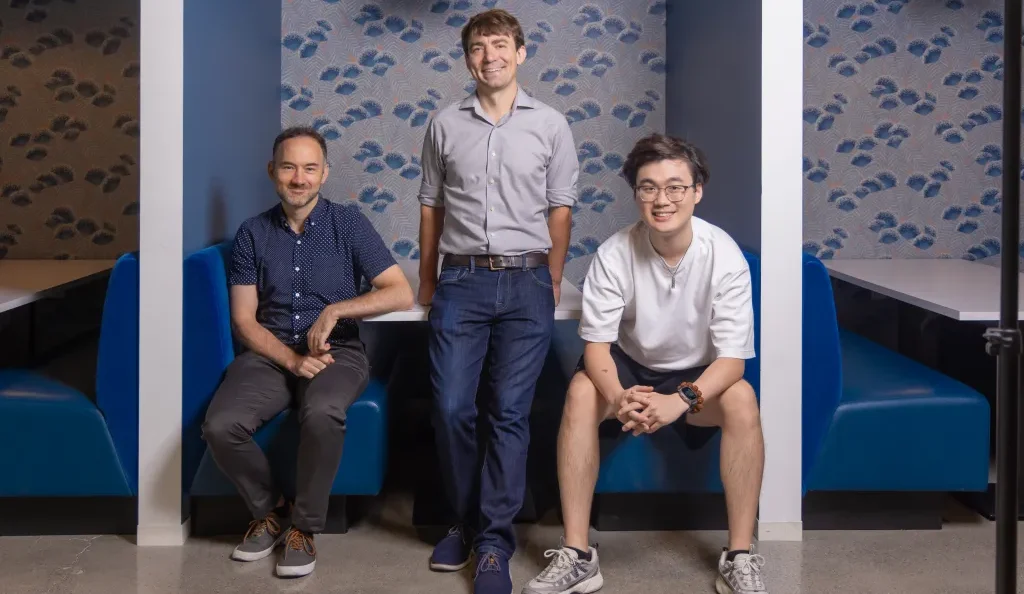
OpenHands was founded by Robert Brennan, Graham Neubig, and Xingyao Wang.
Robert Brennan serves as CEO and brings experience in machine learning and infrastructure.
Graham Neubig contributes deep expertise in natural language processing and AI research.
Xingyao Wang supports the technical direction of the platform, especially in the design of its agent architecture.
Together, they are building OpenHands with a clear vision of integrating trustworthy AI agents into everyday engineering workflows.
Also Read: Yubi Raises ₹411 Crore for Global Push, AI Investments
Turning Routine Engineering Work Into Automated Cloud Workflows
The platform is designed to help engineering teams delegate repetitive and time-consuming tasks to cloud-based software agents. OpenHands is model agnostic, which means it can work with different large language models depending on the needs of a team. The agents operate inside isolated, containerized environments that provide security and maintain clear visibility into agent behavior.
These agents can take on tasks such as updating dependencies, generating unit tests, refactoring sections of a codebase, or performing routine security sweeps. By shifting this work to automated agents, developers can dedicate more time to building features, solving complex problems, and improving overall product quality.
The architecture also supports scaling from one agent to thousands. This makes the platform suitable for both small engineering groups and large enterprise teams looking to automate development workflows across many projects at once.
Open Source Growth and Measurable Impact
OpenHands has already started demonstrating the potential of agent-driven development. Early enterprise adopters have achieved significant improvements. Some teams have reduced their maintenance backlog by up to half. Others have seen vulnerability resolution times fall from days to minutes.
Because OpenHands is built on open source foundations, organizations can inspect how it works, tailor it to internal standards, and build their own custom logic. This transparency helps create trust and reduces friction during adoption. It also encourages contributions from the wider developer community, which supports continuous improvement of the platform.
Architecture Built for Control, Governance, and Scale
The technical approach behind OpenHands prioritizes both flexibility and safety. Agents run inside containerized sandboxes that provide clear boundaries around what each agent is allowed to do. This helps organizations maintain control, ensure compliance, and track changes made by automated processes.
OpenHands integrates directly with common developer tools such as GitHub, GitLab, Slack, and Jira. Instead of replacing a team’s existing workflow, it enhances it. Automated agents can work alongside developers without forcing them to adopt new systems or unfamiliar interfaces.
Because the foundation is open source, companies are not locked into proprietary systems. They can use the platform in a way that aligns with their internal processes and long-term technology strategy.
Collaboration with AMD to Strengthen Agent Performance
OpenHands recently announced a strategic collaboration with AMD to improve performance on AMD hardware. This partnership focuses on optimizing agent workloads through Lemonade Server, an open source runtime designed specifically for AMD environments.
The work aims to give teams faster response times, smoother agent execution, and greater efficiency when running large numbers of agents on AMD-powered machines. This improvement is especially useful for organizations deploying at scale.
A Platform Positioned for the Future of Software Development
With its 18.8 million Series A funding, OpenHands now has the support it needs to expand its product, grow its engineering team, and strengthen its position in the market. The company represents a growing shift toward agent-based software development, where AI agents actively contribute to engineering tasks instead of serving merely as coding assistants.
By focusing on transparency, security, flexibility, and open source design, OpenHands is well positioned to shape how modern engineering teams work. As organizations look for new ways to reduce technical debt, improve reliability, and increase speed, platforms like OpenHands may become core tools in the future of software development.
Also Read: Ronnie Screwvala Sets Up $50 Million Fund for AI, Deep-Tech and Space-Tech Startups