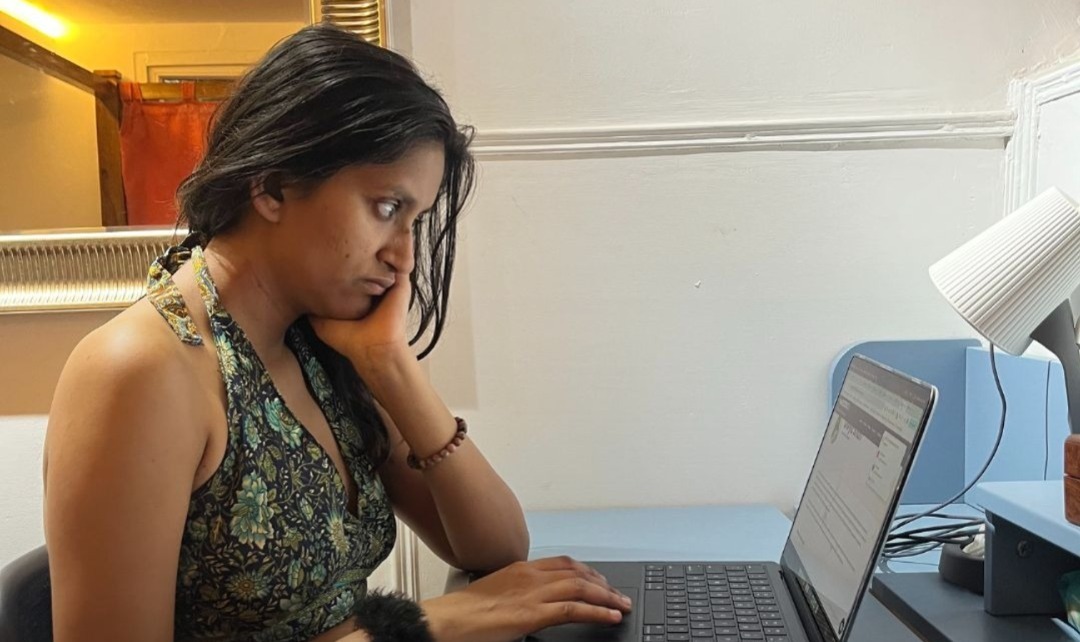
Vinyasa, an AI SaaS built to help therapists grow and manage their practices, has been shut down by founder Divya Shah, who cited inconsistent lead acquisition and a fast-depleting runway as key reasons. The company had gone live on September 15, 2024, won early customers, was selected among 40 startups for a Google AI bootcamp, and crossed ₹10 lakh in revenue before operations ceased two months ago.
“They said I’d fail, and they were right”: Divya Shah’s note
In a personal post, Shah announced she is “shutting down [Vinyasa] for good,” adding that she is still processing the decision. The company, positioned as “Empowering Mental Health Practitioners to Build Practices That Thrive,” set out to serve therapists with an AI-driven, practice-building toolkit.
Shah recalls launching with “$0 in the bank” on September 15, 2024, and seeing early adoption: “We made our first sale.” Momentum followed: Vinyasa was picked by Google “among 40 startups for their AI bootcamp,” and the business crossed the ₹10 lakh revenue milestone.
When the runway shortened
“It was going good, until it wasn’t,” Shah wrote. Two pressures converged:
- Inconsistent lead acquisition, and
- Rapidly falling cash reserves.
To keep the product alive, Shah took on side gigs, but ultimately ceased operations two months ago. Today, she says, the shutdown is final.
What Vinyasa built and what it taught
Beyond the product itself, Shah’s post reads like a field manual for first-time founders: building, selling, and stepping outside a comfort zone every day. Among her takeaways:
- Building to revenue: How to ship and scale a product to ₹10 lakh.
- Learning sales from scratch: “How to sell when you’re naturally bad at sales.”
- Daily discomfort, daily growth: “How to get out of your comfort zone daily.”
The work spanned the full founder stack:
- Go-to-market strategy
- Product from zero
- Accounting and P&L ownership
- Content creation as an introvert
- Branding and storytelling
- Hiring and letting people go (“the hardest part”)
Failure, owned and a next chapter
“For those who didn’t believe in me, they were right. I accept I failed,” Shah wrote, pairing blunt honesty with a forward-looking stance: “I’m lost but not out.”
She’s opening herself to Founder’s Office and similar ownership roles where she can “deliver results.” As she put it: “If you have a role for me, my DMs are open.”
Also Read: Dunzo’s Dramatic Fall: How Google’s First India Bet Crumbled