Dunzo began with a simple promise: we’ll get it done. In 2015, founder Kabeer Biswas started as a one-man WhatsApp concierge, running errands from 5 a.m. to 1 a.m. and, in short order, turned Dunzo into a verb for convenience across Indian cities.

By 2021, monthly orders had rocketed from 15,000 (in 2016) to 2 million, a 130x leap. Yet the startup’s story, once held up as a case study in product-market fit, now reads as a cautionary tale about pivots, capital intensity, and control rights.
Extreme Convenience, Extreme Hustle
Dunzo’s original moat was startlingly practical: make everyday life frictionless. From grocery and medicine runs to delivering keys and packages, the company built habit and trust on the back of hyperlocal utility. The operating DNA was scrappy and hands-on, fast, flexible, and obsessive about fulfillment. That ethos fueled adoption and gave Dunzo cultural cachet as “the go-to for everything.”
The numbers masked a problem
Between FY18 and FY21, Dunzo posted ₹88 crore in revenue but ₹750 crore in losses, burning ₹7.5 for every ₹1 earned. The losses were reportedly narrowing by FY21, suggesting operational learning and leverage were starting to show. But the next strategic turn would stretch Dunzo beyond its financial shock absorbers.
The pivot that broke the model
Quick commerce arrived like a tidal wave. To catch it, Dunzo rolled out Dunzo Daily, raised about $400 million, and opened ~130 dark stores. The bet: ultra-fast delivery would translate scale into habit, and habit into margin.
The reality: unlike Instamart, Blinkit, Zepto, or bigbasket, Dunzo didn’t have the deep pockets, high average order values (AOVs), or the efficiencies to make the dark-store math sing. Quick commerce is brutal on working capital, inventory turns, and last-mile costs and any disadvantage compounds quickly.
The Reliance turn and a loss of autonomy
Seeking runway, Dunzo raised $240 million for a 26% stake from Reliance. The capital arrived with a catch: veto power. When Dunzo later needed emergency financing, that veto reportedly blocked alternate fundraising, leaving the company stranded at precisely the moment speed and cash were existential.
The consequences were severe: ₹1,800 crore in losses, unpaid salaries, and two co-founders exiting. In January 2025, Dunzo’s app and website went dark, and Reliance wrote off its investment.
What really went wrong
1) Straying from the USP:
Dunzo’s edge was high-utility, high-trust hyperlocal errands. Quick commerce shifted the company into a different sport, one dominated by logistics scale, capital depth, and razor-thin margins where price, speed, and assortment are table stakes. The brand that once meant “anything you need, done” became just another 10-minute cart.
2) Chasing scale without the unit-level buffer:
The business already had a history of heavy burn, ₹750 crore in losses on ₹88 crore revenue (FY18-21). Even with improving efficiency, moving into dark stores multiplied fixed costs and operational complexity, leaving little room for error.
3) Governance risk and investor control:
Taking capital that includes veto rights is not unusual, but it demands airtight contingency planning. When emergency cash was needed, a veto roadblock compounded the risk, turning a temporary cash crunch into a structural dead end.
Lessons for founders and investors
- Protect the core before chasing trends. A pivot should extend your natural advantages, not overwrite them. Dunzo’s original service breadth and reliability created a moat that quick commerce didn’t deepen.
- Unit economics beat narrative. Fast follower moves in capital-intensive categories only work with equal (or superior) cash, AOVs, and operational throughput.
- Structure matters as much as size. The wrong control terms can neutralize optionality when it’s needed most. When the market turns, your financing clauses become your operating reality.
- Scale the thing that works. By FY21, losses were shrinking. The discipline to scale the core, rather than leap into a parallel model with very different cost dynamics, might have preserved momentum and control.
Why this loss stings?
By every cultural measure, Dunzo wasn’t a “bad startup.” It built a beloved consumer habit, solved real problems, and proved that convenience could be productized in India’s chaotic urban grid. That’s precisely why the denouement feels avoidable. The shift to quick commerce broke alignment between product, economics, and capital, then financing terms did the rest.
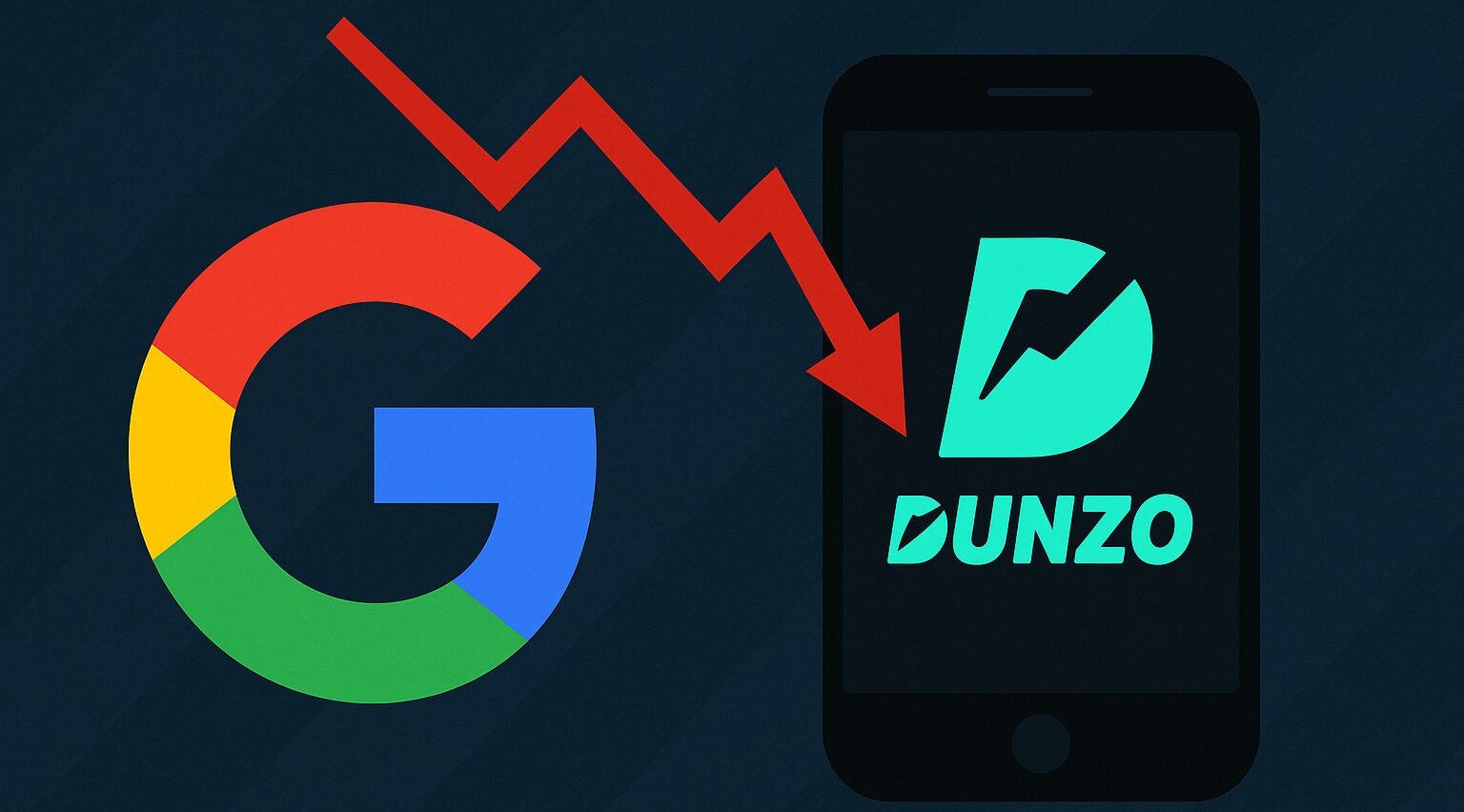
Google’s first direct investment in an Indian startup, approximately ₹797.9 crore into Dunzo, ended in a write-off. It wasn’t a failure of imagination; it was a failure of fit. Dunzo’s founding idea worked because it was specific, scrappy, and customer-true.
The minute the company chased a scale narrative that demanded deep pockets and perfect efficiency, it traded its moat for a race it couldn’t afford to win. And by giving up veto-proof autonomy, it lost the last lever that might have saved it.
This report is based on details shared by angel investor and startup mentor Jeet Chandan.
Also Read: ‘Passion Isn’t Magic’: Chai Sutta Bar Co-founder Anubhav Dubey