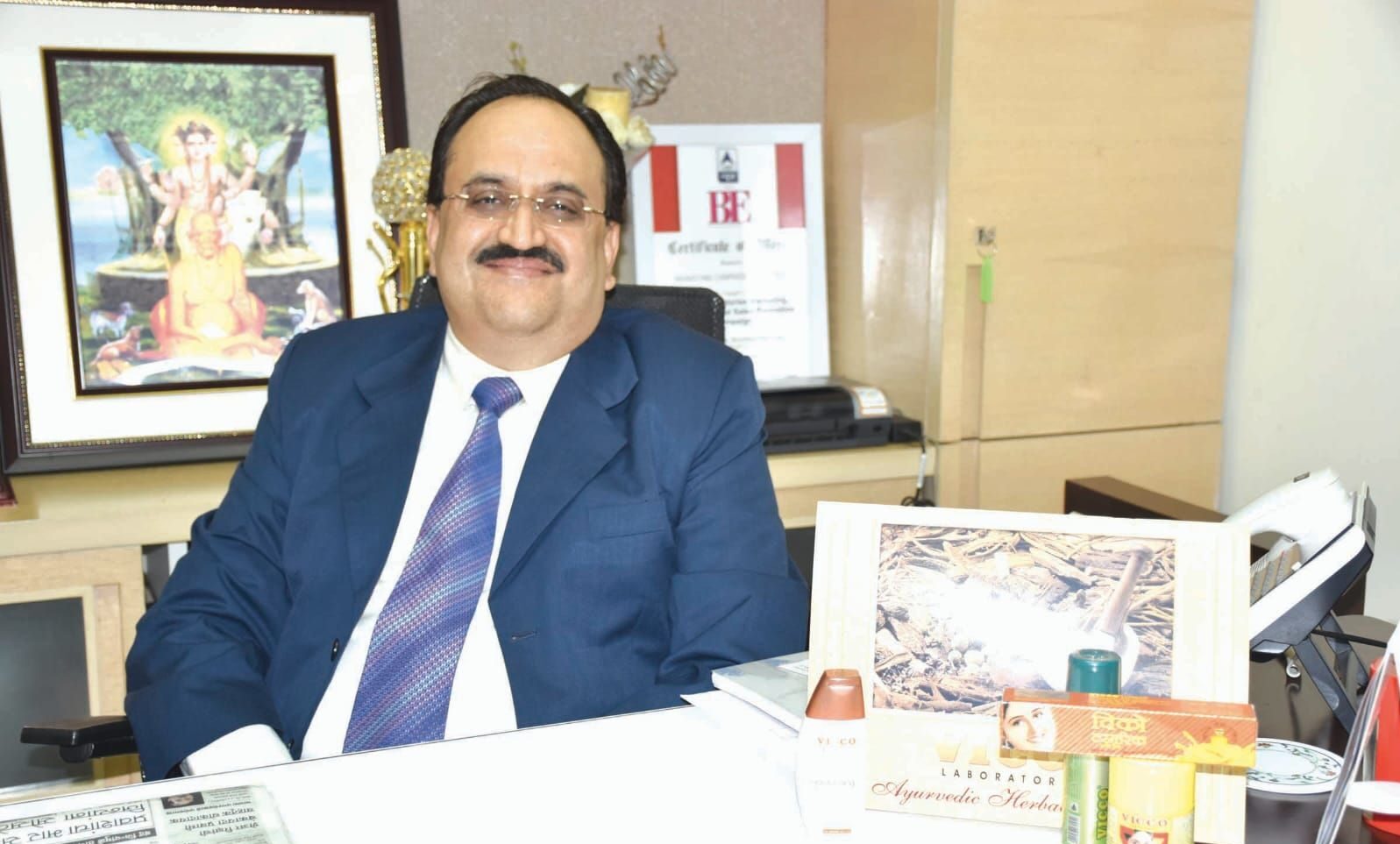
According to Sanjeev Pendharkar, Managing Director at Vicco Laboratories, the final interview isn’t about credentials, it’s about character. He outlines three quick, observable signals that, he says, reveal whether a candidate will thrive as a leader: how they treat the “smallest person” in the room, how they handle silence, and whether they frame the job as “What can I give?” rather than “What will I get?”
The Shift: From Capability to Character
By the time a candidate reaches Pendharkar’s office, HR and senior leaders have already evaluated skills, experience and performance history. The final round, he says, is deliberately different: it is designed to read character, something he argues cannot be trained the way skills can.
Signal 1: Respect Flows Downward Too
Before candidates step in, the receptionist is asked to keep them waiting briefly. The pause isn’t a test of patience for its own sake; it’s a vantage point.
- Do they greet the receptionist or look past her?
- Do they express gratitude or act entitled?
- Do they smile and thank her when they’re called in?
“If someone is only respectful upwards, they’re not fit for leadership,” Pendharkar notes. The small interactions at the door often mirror how people behave once they have power or deadlines.
Signal 2: Silence as a Pressure Test
During conversation, Pendharkar intentionally lets silence stretch. Strong candidates, he says, don’t scramble to fill the gap. They hold eye contact without overcompensating, think before they speak, and answer with clarity rather than volume. In his words, “Silence exposes a person’s comfort with themselves” and that composure tends to carry into high-pressure decisions on the job.
Signal 3: Owner Mindset vs. Employee Mindset
When compensation and responsibilities come up, the questions tell a story. If a candidate’s curiosity begins and ends with pay, perks and timings, Pendharkar reads “employee.” When they ask about learning culture, values and decision-making structures, he sees an “owner.” He puts it plainly: he will choose alignment over achievement, because alignment compounds, while individual feats fade.
Sanjeev Pendharkar’s Approach: The 30-Second Read, Made Practical
Pendharkar’s approach compresses the character read into the first moments of a meeting:
- Reception moment: Watch courtesy without cameras or cues.
- Opening silence: Look for poise, not performance.
- Role framing: Listen for “What can I give?” before “What do I get?”
None of this replaces earlier skill checks; it reframes the last mile of hiring. As he sums up for candidates preparing for any final round: don’t just prepare your resume, prepare your presence. “Because long after your words fade, your character stays in the room.”
Also Read: VavoDigital CEO Alerts: ChatGPT Can Mislead Creators