When Tesla Inc. finally entered India in mid-2025, expectations were high. The Elon Musk-led electric vehicle maker had spent years hinting at its plans for the world’s third-largest passenger vehicle market, including the possibility of local manufacturing. Less than a year later, its early performance suggests that breaking into India’s price-sensitive but fast-evolving auto market is proving more difficult than anticipated.
Tesla’s India launch has highlighted the gap between global brand appeal and local market realities, especially for premium electric vehicles sold as fully imported models.
Unsold Inventory Signals Slow Demand
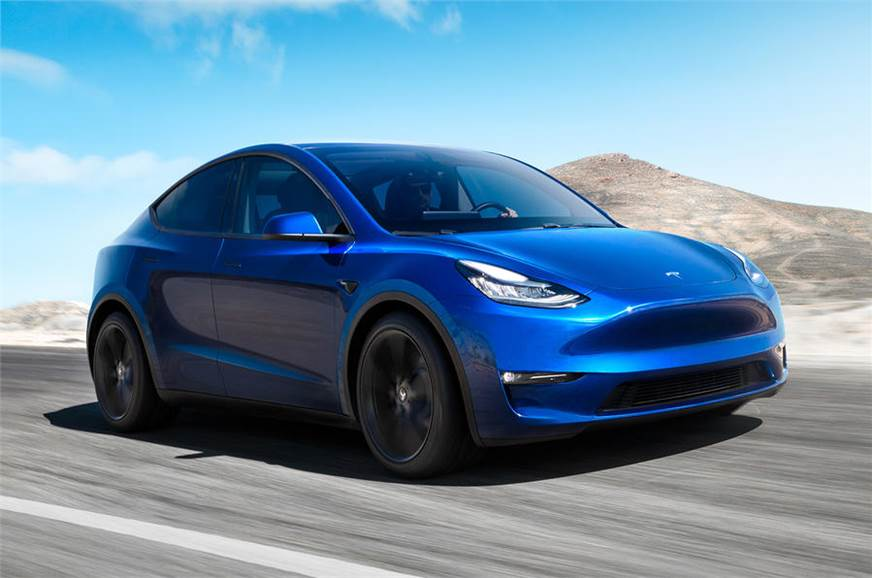
Tesla imported around 300 Model Y vehicles into India last year, but demand has not matched initial optimism. Nearly four months after the shipment arrived, close to 100 vehicles remained unsold, indicating that about a third of the initial stock had yet to find buyers. To clear inventory, Tesla has been offering discounts of up to Rs 2,00,000 on select Model Y variants. These offers are being extended discreetly to individual customers rather than through a nationwide promotional campaign.
The slow movement of inventory underscores the challenges Tesla faces in converting interest into actual sales.
High Prices Limit Conversion Rates
Tesla’s India strategy currently revolves around a single offering, the Model Y. The SUV is priced at nearly $70,000 in India, placing it among the most expensive electric vehicles in its category. While the company reportedly received around 600 bookings, a large share of these orders has not translated into completed purchases.
Vehicle registration data reflects this gap. Tesla registered only 227 vehicles in India during 2025. Customers who placed early deposits are reportedly hesitating to move forward, particularly for the lower-priced, shorter-range variant. Even the more expensive long-range version, which has attracted interest, has seen slower-than-expected deliveries, adding to inventory pressure.
Also Read: Canada-China Trade Reset Signals New Economic Momentum with EV and Canola Tariff Cuts
Import Duties Create a Pricing Barrier
A major hurdle for Tesla is India’s high import duty structure. Fully imported cars can face customs duties of up to 110 percent, sharply inflating retail prices. Tesla entered the market banking on brand recognition to offset this disadvantage, but the strategy has delivered limited results so far.
Indian EV buyers, including those in the premium segment, remain highly value-conscious. The wide price gap between the Model Y and competing electric SUVs has led many buyers to explore alternatives that offer either lower prices or more features for similar money.
Tesla’s India challenges also coincide with softer global momentum. Worldwide sales declined in 2025 for the second consecutive year, allowing China’s BYD to overtake Tesla as the world’s largest electric vehicle seller. This broader slowdown has constrained Tesla’s ability to subsidize pricing in new markets like India.
Competitors Gain Ground Faster
Tesla’s muted start contrasts sharply with the performance of other global automakers in India. BMW’s Indian unit recorded nearly 200 percent growth in EV sales last year, selling around 3,700 vehicles. A key factor has been local assembly of models such as the iX1, which significantly reduces costs compared to fully imported vehicles.
BYD has also strengthened its position. Electric car registrations for the Chinese automaker rose 88 percent last year to more than 5,400 units. Its wider product range and competitive pricing have helped attract buyers, including those considering models like the Sealion 7, which offers more features at a lower starting price than the Model Y.
Customer behavior reflects this competition. Some buyers opt for BMW’s entry-level iX1 due to its lower price, while others choose BYD vehicles for their feature-rich offerings, highlighting Tesla’s limited product portfolio in India.
Limited Presence and After-Sales Concerns
Beyond pricing, Tesla’s restricted physical footprint has affected its visibility. With only a handful of showrooms and no local manufacturing, the company lacks the widespread presence of established luxury brands. Service and repair infrastructure remains limited, raising concerns about long-term ownership and maintenance.
Tesla appointed Sharad Agarwal, former head of Lamborghini India, in November to lead local operations and strengthen its appeal among luxury buyers. However, building confidence in after-sales support is a gradual process. For now, Tesla remains focused on selling imported vehicles, keeping costs high and volumes constrained.
An EV Market Growing Without Tesla
Tesla’s slow traction stands out against the rapid expansion of India’s EV market. Electric vehicle retail sales rose 16.37 percent year-on-year to 2.27 million units in 2025. Electric passenger car sales surged 77 percent to 176,817 units, driven largely by mass-market manufacturers such as Tata Motors and JSW MG Motor India.
Competitive pricing, improving quality, state incentives, and lower running costs have pushed EVs closer to the mainstream, raising expectations that premium brands must also adapt to local conditions.
Long-Term Ambitions Amid Short-Term Struggles
Tesla has begun laying groundwork for longer-term growth by developing an EV ecosystem in India. Plans include installing charging points at homes, malls, hotels, and setting up superchargers in major cities. Agarwal has said the company aims to build infrastructure around customer lifestyles to reduce range anxiety.
He has also stated that Indian buyers could recover roughly one-third of the Model Y’s cost over four to five years through fuel and maintenance savings, a strategy Tesla has used in other high-cost markets.
For now, Tesla’s India story reflects the limits of a brand-led entry in a complex, cost-sensitive market. While long-term potential exists, sustained success will depend on pricing relief, infrastructure expansion, and a strategy better aligned with India’s rapidly evolving EV landscape.
Also Read: BizDateUp Acquires 54.5% Stake in Cumma for ₹21 Cr to Unlock India’s Startup Infrastructure