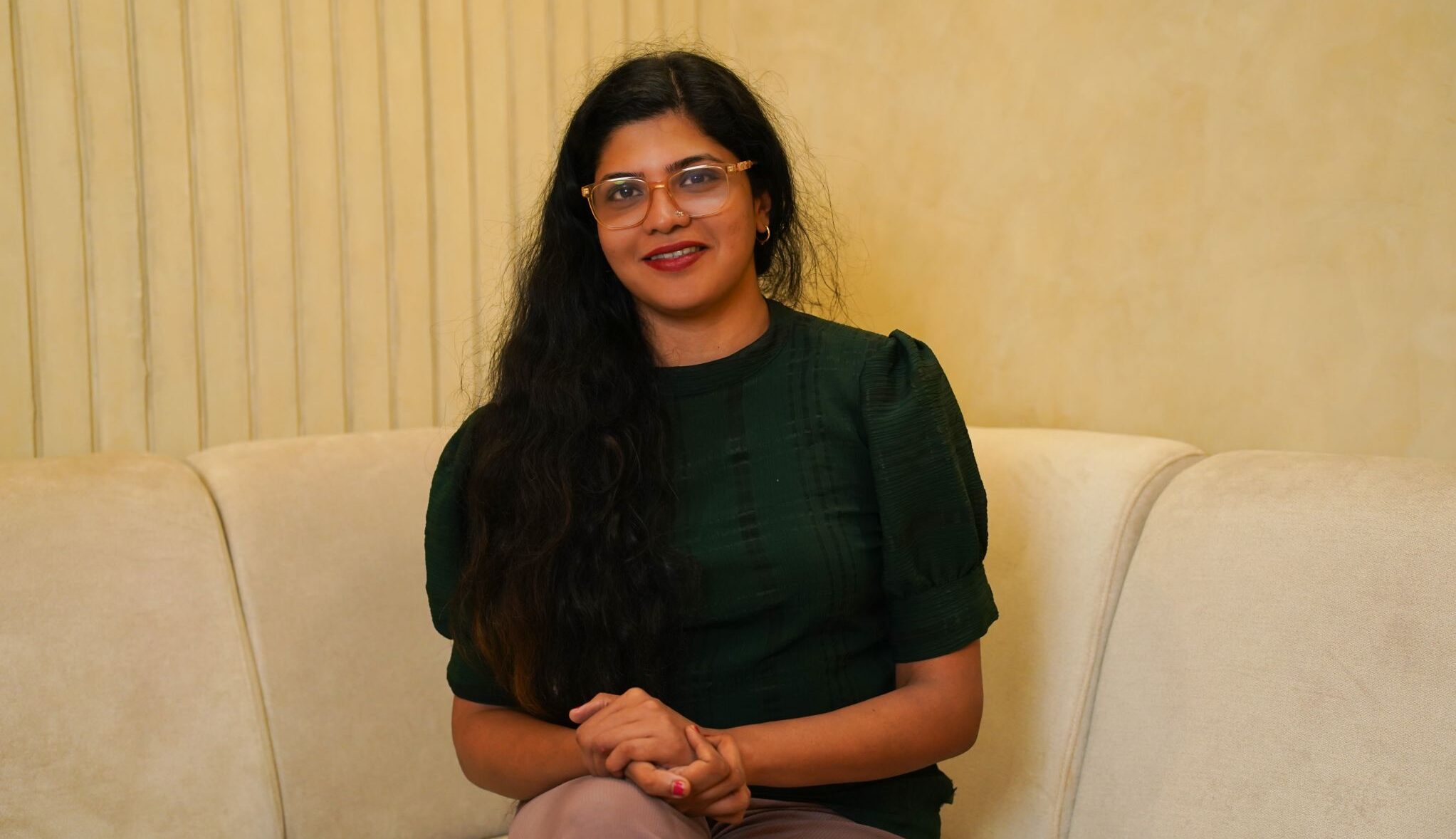
At her first college hackathon, Geethu Sivakumar looked around and noticed she was the only woman in the room. Fifteen years on, the Kerala native runs Pace HiTech, a web, mobile app and digital marketing company she founded as a 19-year-old engineering student in 2015. Today, the firm operates across five countries, with a 30-member team and offices in India, Singapore and the Middle East.
Early beginnings: code for pocket money
Sivakumar’s path started long before college. In high school, she took on freelance website projects to earn pocket money, learning how to ship work on tight deadlines and minimal resources. The early validation came in 2011, when she was named Kerala’s best web developer at a state-level IT fest, receiving the award from then Chief Minister Oommen Chandy, a moment that confirmed she could outgrow the freelancing grind.
Choosing founder life over campus placements
By her final year of Electronics and Communication engineering, Sivakumar was already earning more than standard placement offers. That was the inflection point: keep freelancing inside a system she felt undervalued independent contributors, “the least paid, and the most overworked,” as she recalls or build a company that set its own bar. She chose the latter. With encouragement from her college principal, Dr. Anil, and access to the campus incubator, she incorporated Pace HiTech and started signing clients.
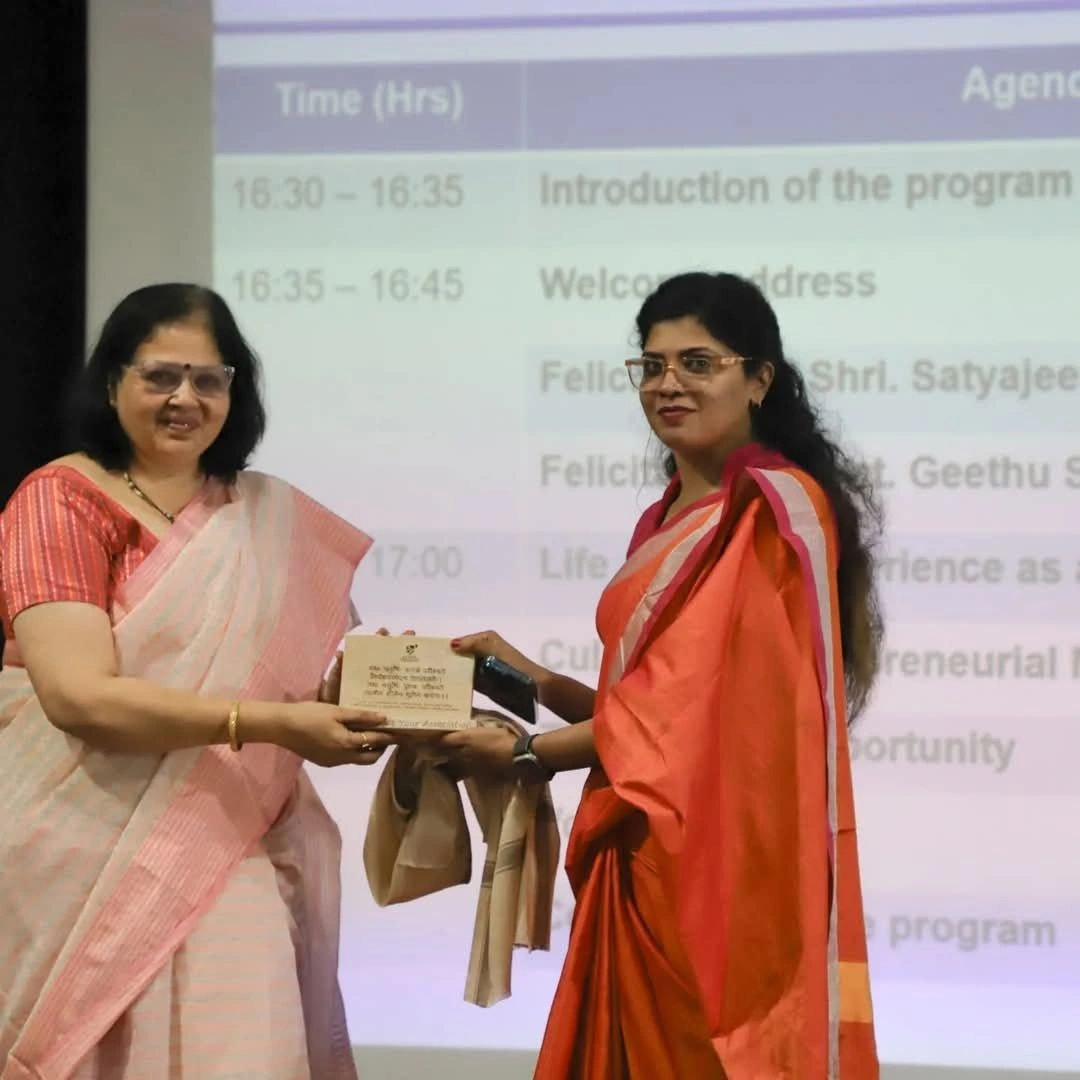
Sivakumar kept costs lean. As a services company, Pace HiTech relied on client advances to fund initial delivery, while incubator rents stayed low. Only later did “a few investors” add private equity, helping the company scale deliberately rather than chase hypergrowth. The step-by-step approach underwrote Pace HiTech’s expansion to multiple markets without compromising control.
Geethu Sivakumar: Adapting to an AI-first world
One of Sivakumar’s toughest calls came when AI began to upend creative and engineering workflows. She once believed human creativity would remain beyond automation, until she watched models write poetry and generate visuals. That realization forced a pivot: restructure services around what AI can’t do and where human judgment still compels a premium. The company’s positioning now reflects that blend of adaptation and restraint, an admission that tools will change, but outcomes still need accountability.
The gender gap that won’t go away
Sivakumar’s hackathon memory still stings, not because she was outnumbered, but because the ratio barely improved when she returned years later as a judge. The underlying issue, she argues, is not a deficit of talent but the social script that nudges women away from ambition. Her counter is practical: push for parental backing; failing that, build financial independence. “If you can pay your own rent, take care of your expenses, no one can really control you,” she says.
What her journey says about India’s builder class
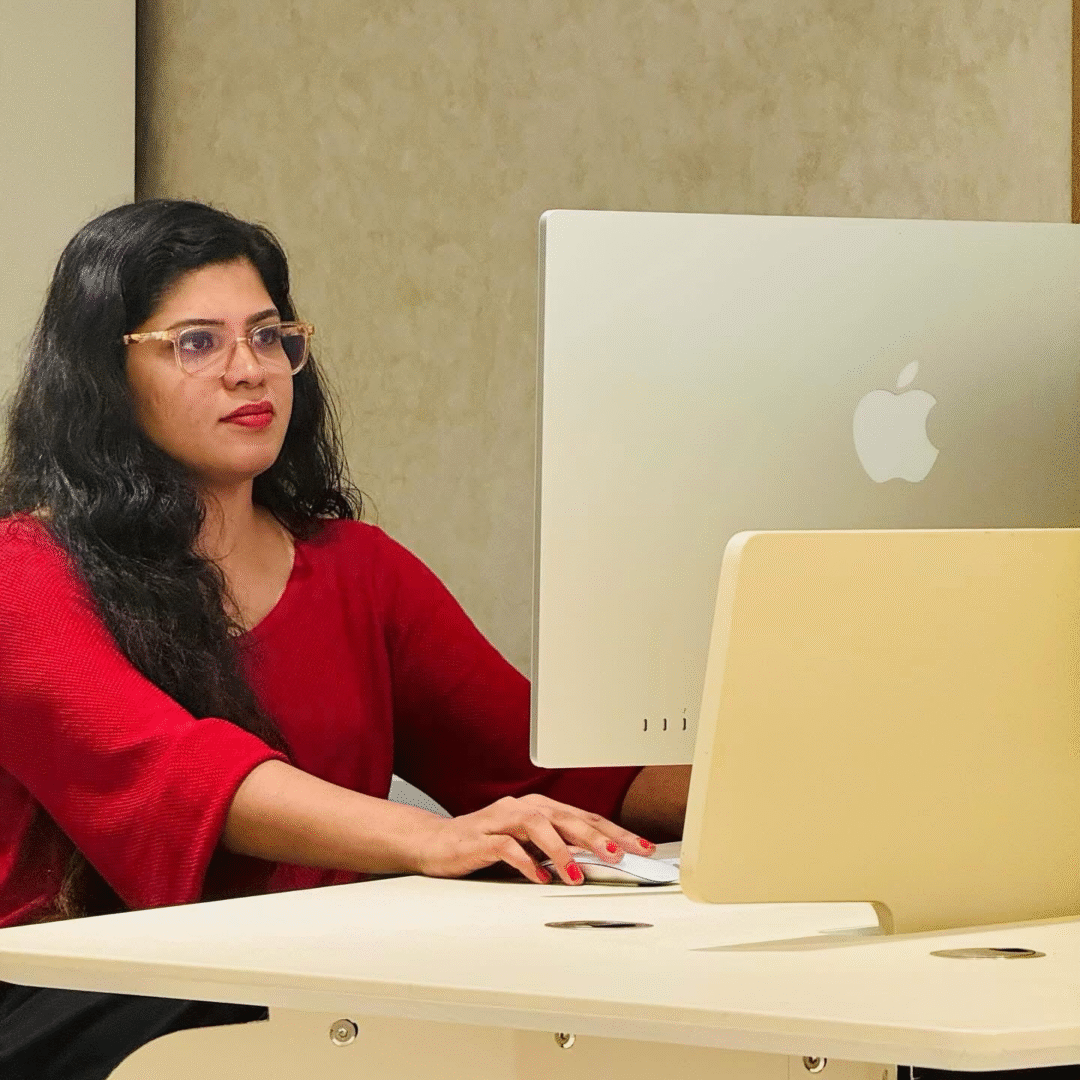
Sivakumar’s rise has been gradual, built on consistent effort rather than dramatic breakthroughs. She turned small freelance projects into lasting business, used her college incubator as a launchpad, and relied on careful finances instead of chasing flashy funding. At every stage, her focus has been clear, adapt to change, stay steady in uncertain times, and refuse to let gender define her limits.
For aspiring founders, her story offers a familiar, actionable playbook: validate early, keep the burn low, anchor on problems people will pay for, and be willing to re-write your own assumptions when the facts change. For institutions, colleges, incubators, investors, it’s a reminder that access and trust often matter more than capital on day one.
Also Read: SnapE Cabs Bags $2.5M to Drive EV Cab Expansion in Delhi