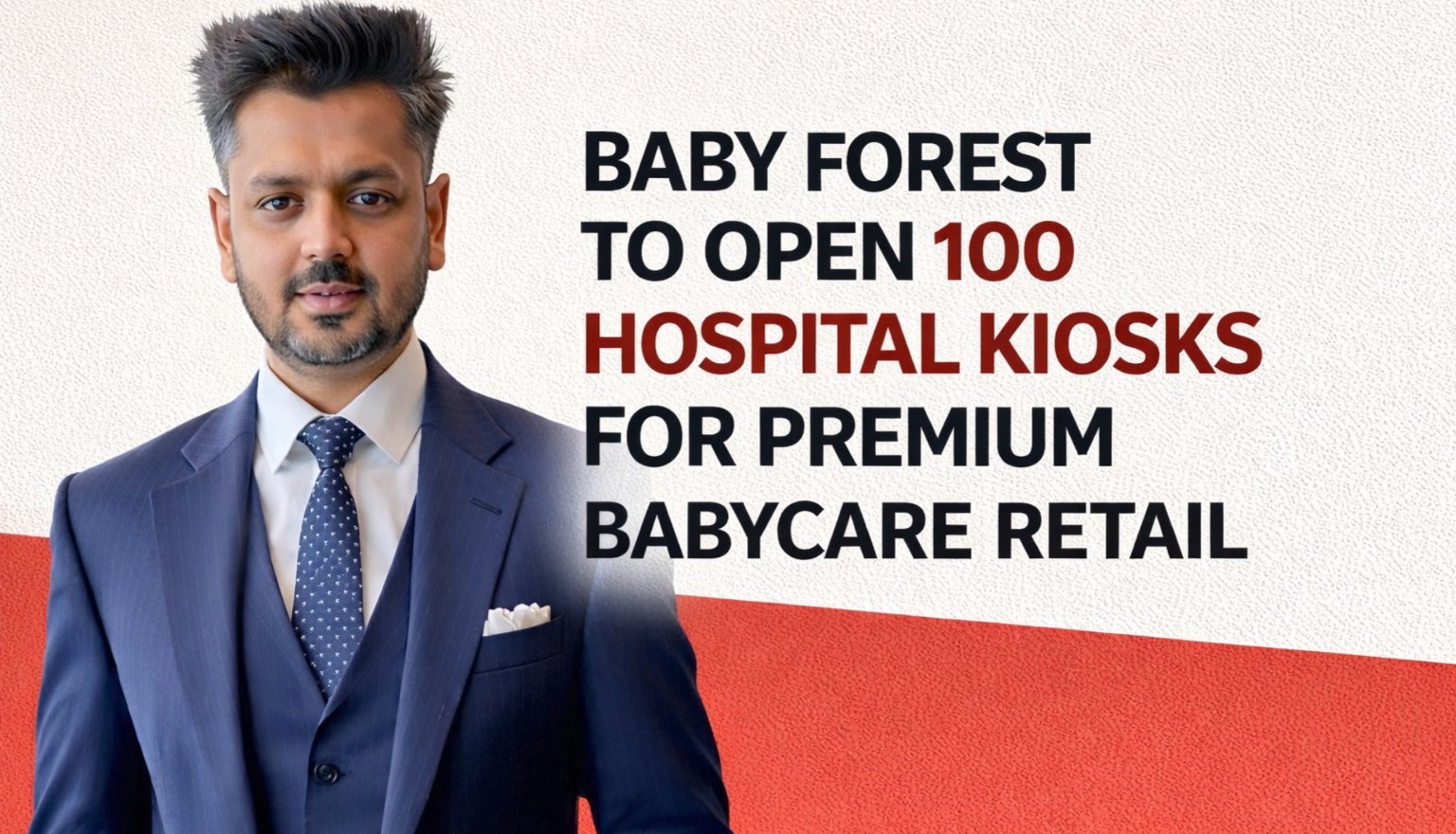
Baby Forest, the Noida-based ayurveda-led babycare startup, is sharpening its offline expansion strategy with a clear bet on hospitals.
Instead of chasing scale through conventional retail alone, the company is looking to build a network of around 100 kiosk-style stores inside premium babycare hospitals, a move its founder says is rooted in where a child’s journey with products and care often begins: the hospital itself.
The company, which sells premium baby skincare products along with other items for infants and children, is targeting revenue of Rs 250 crore over the next five years. Founder and CEO Gagan Agarwal told PTI that Baby Forest is also aiming for about Rs 100 crore by the next fiscal year as it expands its physical footprint.
What stands out in Baby Forest’s strategy is that this is not a broad-brush offline rollout. The company appears to be choosing its locations carefully. It had begun with independent stores in malls across the National Capital region and Bengaluru, but is now increasingly focusing on hospital-led retail formats that place the brand closer to new and young parents.
Agarwal said the company already has kiosk-style hospital stores in places such as Motherhood Noida and Artemis Gurgaon, among others. That presence offers a clue to the business logic behind the plan: Baby Forest is trying to build relevance at a point where trust, frequency of visits and product discovery can converge.
Hospitals, especially premium maternity and babycare centres, are not just treatment spaces. For brands like Baby Forest, they also represent high-intent environments where parents are actively making care decisions.
The founder’s explanation makes that thinking even clearer. He said mothers often need to bring babies back to hospitals regularly for checkups, vaccinations and routine consultations, creating repeated touchpoints for engagement. In effect, Baby Forest is not simply adding more stores; it is trying to insert itself into the early, recurring stages of a parent’s babycare journey.
That makes this expansion less about retail density and more about contextual retail. In malls, discovery can be broad but casual. In hospitals, it is narrower but potentially more meaningful. For a premium ayurveda-based babycare brand, that difference matters. The target consumer is likely already thinking about infant safety, wellness and routine care, which gives Baby Forest a more focused setting to pitch its products.
The company’s plans suggest a two-track offline model. Mall stores will remain part of the strategy, but only in Tier 1 and metro cities, where the brand sees the right demographic fit. Agarwal said Baby Forest is looking at around 15 mall stores, while hospital kiosks will be added wherever premium hospital opportunities emerge. He even cited Agra as an example of a market where the company would consider entry if a premium hospital partnership becomes available.
That selective approach is notable at a time when many consumer brands are under pressure to expand fast and widely. Baby Forest appears to be doing the opposite: expanding with filters. It is choosing premium formats, premium audiences and premium locations instead of taking a mass-market route. Whether that helps the company hit its long-term revenue goals will depend on execution, but the direction is clear.
There is also an important financial signal in the company’s expansion plan. Agarwal said Baby Forest will require funds for growth, but does not plan to tap the equity market. Instead, it will look at bank funding. He also said the company has remained private so far and will continue to stay private for at least the next four to five years.
That stance sets Baby Forest apart from startups that often treat public-market visibility as the natural next milestone. Here, the message is more restrained. The company wants to grow, but without changing its ownership structure anytime soon. For observers of India’s startup ecosystem, that signals a more measured expansion philosophy: build the network, grow revenues, raise debt if needed, and avoid premature listing pressure.
Baby Forest plans to open 100 kiosk outlets in premium babycare hospitals and is focusing on premium hospital and mall locations as part of its wider sales push. For now, the company’s expansion story is less about scale for its own sake and more about where scale is being built.
Baby Forest is wagering that the future of premium babycare retail may not lie only in shelves and storefronts, but in being present at the very places where parents begin making their earliest care choices.
Also Read: Have You Bought Noice Without Knowing It’s Swiggy’s?