Netflix is back in the Mumbai Indians dugout, but this time, it’s not telling a story from inside the dressing room. It’s chasing the noise outside it.
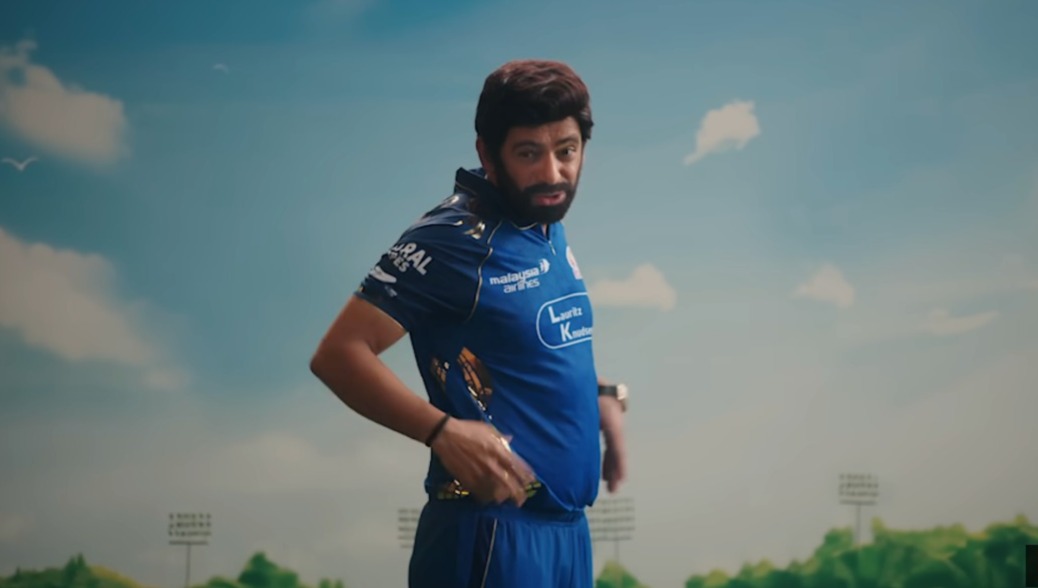
In a fresh collaboration during IPL 2026, the streaming platform has partnered with the franchise to create social-first content built around one of cricket’s most viral recent moments, Rohit Sharma’s now-iconic “Garden mein aaya hai kya?” line featuring Sunil Grover. The campaign reimagines that stump-mic exchange through a parody film featuring a lookalike, turning a fleeting on-field remark into a full-blown internet narrative.
At first glance, it’s a simple, playful piece of content. But look closer, and it signals something far bigger about how brands are approaching the IPL today.
This is not Netflix’s first association with Mumbai Indians. Back in 2019, the platform produced Cricket Fever: Mumbai Indians, a documentary that offered fans an inside look at the team’s journey. That was long-form storytelling, layered, immersive, and designed for viewers willing to spend hours with the narrative.
This time, the strategy is entirely different.
The new campaign doesn’t ask for time. It asks for attention.
Built for quick consumption and easy sharing, the film leans into meme culture, fan humour, and the fast-moving language of social media. It doesn’t try to explain the game or analyse it. Instead, it captures what fans are already doing, laughing, remixing, and circulating moments and joins that conversation on their terms.
This act of creativity is intentional. With the use of a doppelganger as opposed to the cricketer himself, the tone remains parodic and does not lean towards promotional. This makes it less of a commercial and more of a natural fit for any fan page or meme page. The importance of this cannot be understated in today’s digital economy.
More importantly, this collaboration reflects a broader shift in the IPL’s content economy.
The tournament is no longer confined to the match broadcast or official highlights. The real action often spills onto social media, before the first ball is bowled and long after the last one is played. Memes, reactions, banter, and short clips now shape how fans experience the league in real time.
And that’s where brands want to be.
Instead of competing for expensive broadcast rights, platforms like Netflix are finding smarter entry points into the IPL conversation. Social media partnerships offer access to the tournament’s cultural pulse without needing to own the game itself. It’s a strategy that prioritises relevance over reach and in today’s attention economy, that’s often the more valuable currency.
There’s also a subtle shift in storytelling at play here. The earlier documentary was about control, curating a narrative, building arcs, and presenting a finished story. This campaign is about participation. It steps into a moment that already exists in public memory and amplifies it, rather than creating something entirely new.
In doing so, Netflix is effectively repositioning itself. not just as a content platform, but as a cultural participant.
The IPL, after all, is not just a sporting event anymore. It’s a constantly evolving stream of moments, inside jokes, and shared references. The brands that succeed here are the ones that understand this rhythm and adapt to it.
Netflix’s latest move with Mumbai Indians suggests it does.
Because in the IPL, the biggest wins don’t always come from what happens on the pitch. Sometimes, they come from owning the moment everyone is already talking about.
Also Read: Ananya Birla and the New RCB Era: The Woman at the Centre of Cricket’s New Power Shift