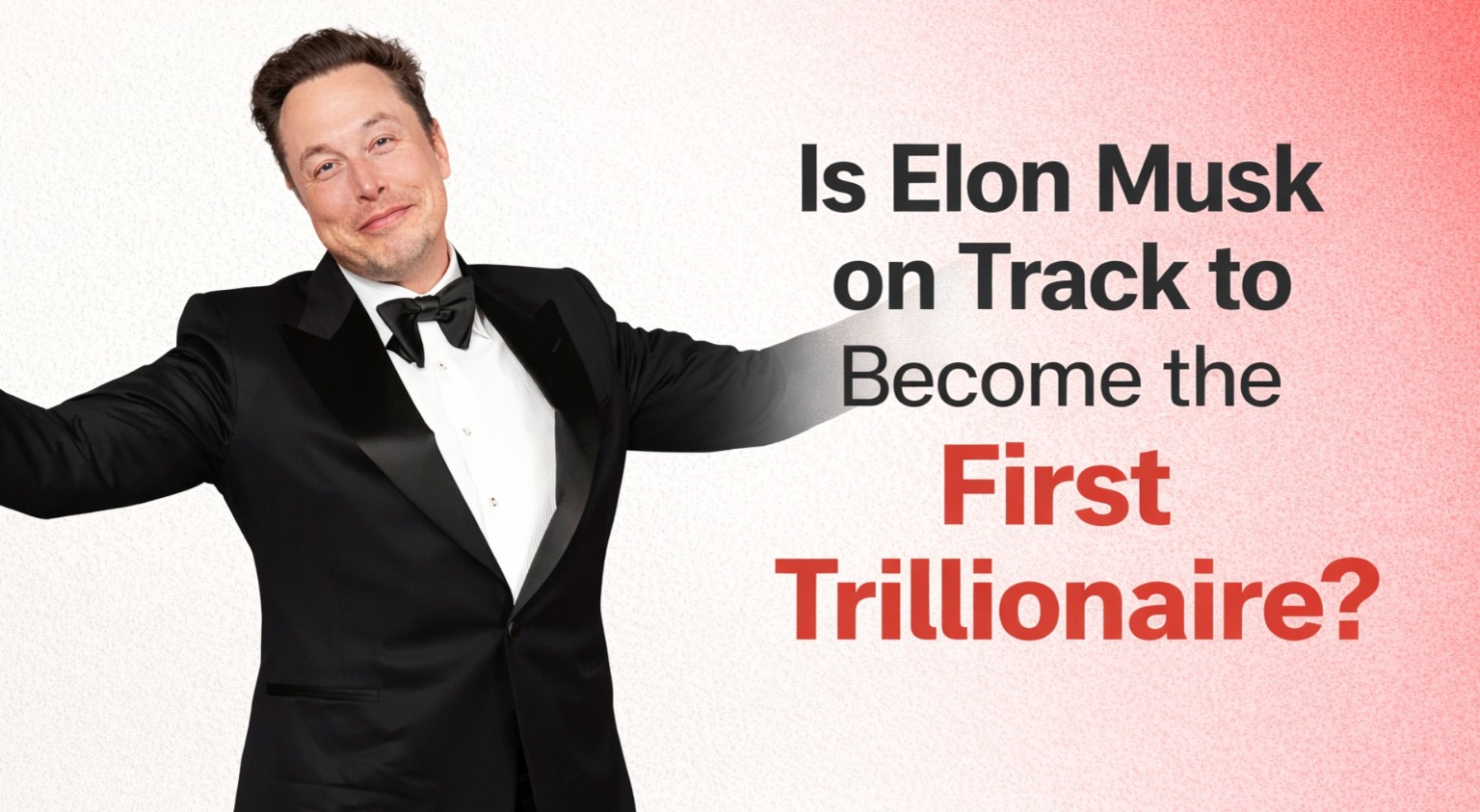
Elon Musk’s net worth has once again become a subject of intense global discussion, with fresh valuations suggesting his personal fortune has climbed to around $850 billion, reigniting speculation over whether he could become the world’s first trillionaire.
The conversation is being driven by the soaring valuations and growth prospects of companies Musk is closely associated with, particularly Tesla, SpaceX, and artificial intelligence venture xAI, all of which are shaping investor expectations about how quickly personal wealth tied to high-growth technology firms can expand.
Elon Musk: Beyond Tesla: Multiple engines driving Musk’s fortune
While Musk first entered the billionaire ranks largely through Tesla, his wealth story today stretches far beyond electric vehicles.
SpaceX, now one of the most valuable private space companies globally, has become a major pillar of his financial standing, thanks to rising commercial demand for satellite launches and space-based internet services. Its private-market valuation alone has significantly reshaped perceptions of Musk’s overall wealth.
Meanwhile, Tesla remains central to Musk’s financial profile. His stake in the company, along with stock options linked to performance milestones, continues to form a substantial portion of his fortune. Tesla’s stock performance over the years has played a decisive role in pushing Musk to the top of global wealth rankings.
A newer factor drawing attention is xAI, Musk’s artificial intelligence venture, which has quickly become part of investor discussions around next-generation tech opportunities. AI companies globally are commanding strong valuations, and Musk’s involvement in this sector has added another dimension to projections around his future wealth.
IPO speculation adds fuel to trillionaire chatter
Another factor keeping trillionaire conversations alive is speculation around potential future listings of Musk-linked private companies, particularly SpaceX.
A public listing could dramatically change how Musk’s stake is valued, potentially accelerating wealth calculations tied to market capitalization rather than private funding rounds. However, no official timeline exists, and any such move would depend on market conditions and regulatory clearances.
Valuation isn’t cash in hand
Financial analysts often caution that ultra-high net worth figures reflect the paper value of equity stakes, not liquid cash holdings. Market fluctuations, investor sentiment, and regulatory developments can all influence these valuations, sometimes sharply and unexpectedly.
That means projections about when or whether, someone becomes a trillionaire depend heavily on how markets value technology and space ventures over time.
A milestone that reflects changing industries
What makes the trillionaire debate noteworthy is not just Musk himself, but what his trajectory represents: the enormous value being created around industries shaping the future, electric mobility, space infrastructure, and artificial intelligence.
Whether Musk ultimately crosses the trillion-dollar threshold remains uncertain. But the discussion highlights how rapidly fortunes tied to transformational technology companies can grow in modern markets.
For now, one thing is clear: Elon Musk remains at the center of the global conversation about wealth, innovation, and the future of industry and the question of who becomes the world’s first trillionaire is far from settled.
Also Read: Founder Divya Shah Shuts Down Vinyasa, Her AI SaaS for Therapists