India-EU Trade Deal: For years, luxury European cars have carried a premium in India that goes far beyond brand value. The real reason has been taxation. Imported vehicles, especially fully built units from Europe, have faced some of the world’s highest tariffs, making even entry-level luxury models dramatically more expensive for Indian buyers.
Now, a major shift is on the horizon.
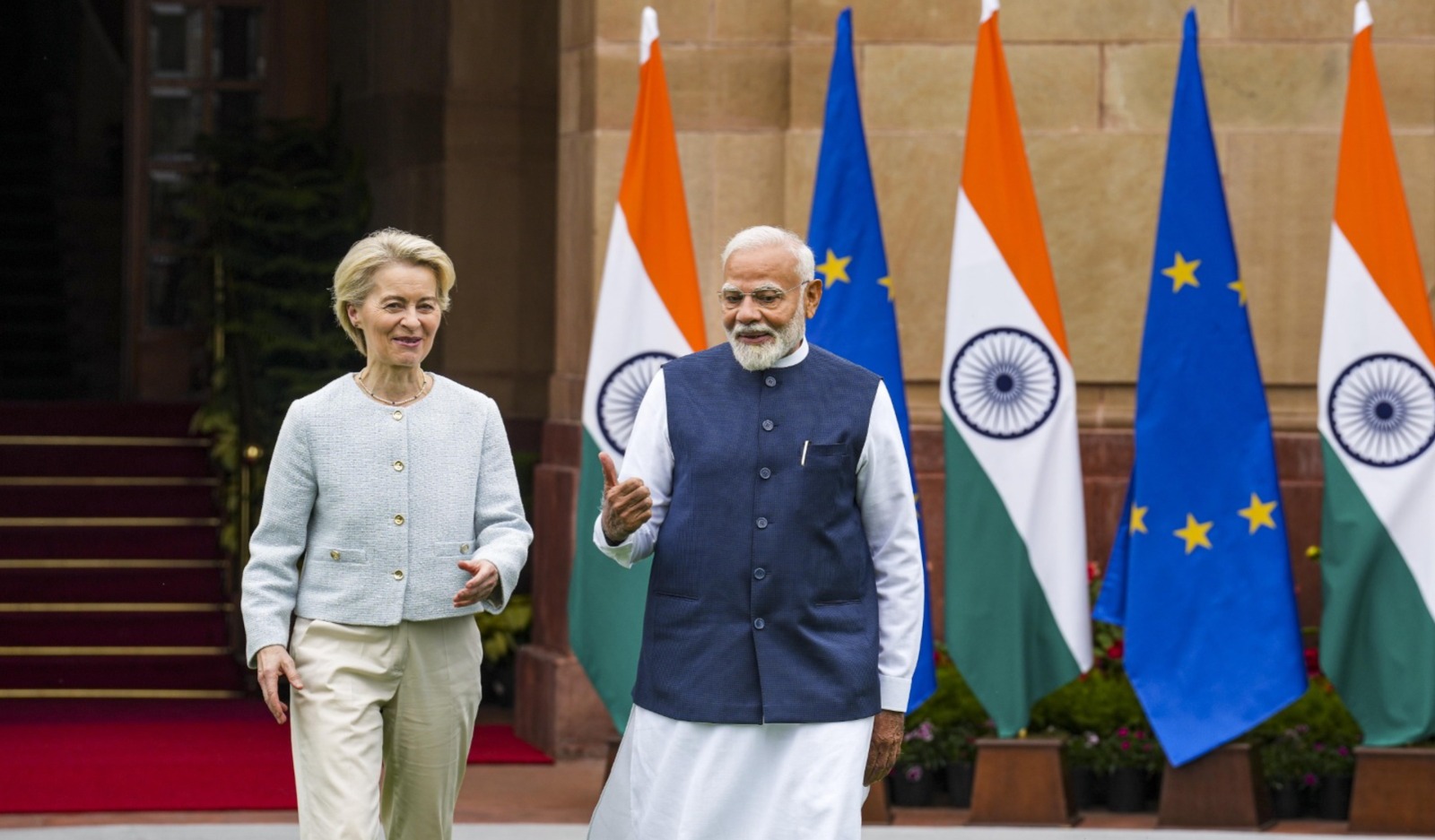
India and the European Union have reached a broad trade agreement framework that could fundamentally alter how European cars are priced in India. While headlines suggest luxury cars may become cheaper, the reality is more nuanced and potentially transformative for the premium automobile market.
The core change after EU Trade Deal: Tariffs could fall sharply, but with limits
At present, imported passenger vehicles in India face steep customs duties. Cars priced below $40,000 attract a 70% import duty, while vehicles above that threshold, where most luxury European cars fall, face an effective tariff of around 110%.
Under the proposed trade arrangement, these tariffs are set to be reduced in phases, eventually dropping to as low as 10% but only for a defined annual quota of vehicles.
This means the reduction will not apply universally to all imported cars. Instead, it will operate within a controlled framework, limiting how many European vehicles can benefit from the lower duty each year.
Why luxury European brands are in focus?
European manufacturers dominate India’s luxury car segment. Brands such as Mercedes-Benz, BMW, Audi, Porsche, Volkswagen Group’s premium portfolio, and other European automakers rely heavily on imported models, particularly in high-end categories.
The potential impact of the EU Trade Deal is expected to be most visible in fully imported luxury models that currently fall in the highest tariff bracket. These include flagship and performance vehicles such as the Mercedes-Maybach S-Class, Mercedes-AMG GT and G-Class, BMW 7 Series, i7 and XM, Audi A8L, RS models and the e-tron GT, as well as Porsche’s 911, Cayenne, Panamera and Taycan. Since many of these vehicles are brought into India as completely built units from Europe, any calibrated reduction in import duties could alter their landed cost structure over time, though the effect will remain selective and phased.
Because most of these vehicles fall in the higher price bracket, they are currently subject to the steepest tariffs. A reduction in import duties, even within a quota, could significantly alter the cost structure for these brands.
For manufacturers, the deal could lower the cost of bringing fully built cars into India. For consumers, it could translate into more competitive pricing but not necessarily across the board.
The quota reality: cheaper cars, but not for everyone
The proposed tariff reduction applies only within a fixed annual volume of imported vehicles. Once that limit is reached, higher duties would continue to apply to additional imports.
This creates a crucial distinction:
- Some luxury models imported within the quota could see noticeable price relief.
- Others, especially high-volume imports beyond the quota, may remain expensive.
- Price reductions are likely to be selective, not universal.
In practical terms, the impact will depend on how manufacturers allocate their quota and which models they prioritise for lower-duty imports.
Strategic implications for the Indian luxury car market
The trade deal could trigger a strategic recalibration by European automakers.
Manufacturers may choose to:
- Import more premium models as fully built units within the quota.
- Reposition certain models to maximise tariff benefits.
- Reassess local assembly versus direct imports.
For Indian buyers, this could mean a gradual expansion of luxury choices at relatively lower price points, particularly in the premium and ultra-luxury segments.
However, the transition will not be immediate. Tariff reductions are designed to occur in stages, meaning any visible impact on showroom prices is likely to be gradual rather than dramatic.
A shift beyond pricing: market psychology and competition
Even limited tariff relief could have broader consequences.
Luxury car pricing in India has long been shaped by taxation rather than manufacturing costs alone. If European brands gain even partial relief, it could intensify competition with other global automakers and reshape consumer expectations.
The psychological barrier around luxury car affordability may begin to soften, even if the actual price drops are selective.
A structural change, not a sudden price crash
The India–EU trade deal does not promise an overnight luxury car price revolution. Instead, it marks the beginning of a structural shift in how European cars are imported, priced, and positioned in India.
Some luxury European cars could indeed become cheaper, but within a controlled framework, phased timelines, and strategic decisions by manufacturers.
For India’s luxury car market, this is not just a policy change. It is the start of a new equation between taxation, competition, and aspiration.
And for buyers watching the premium segment, the real story is not whether prices will fall, but which cars will fall first.
Also Read: What Is Difference Between Republic and Democracy?