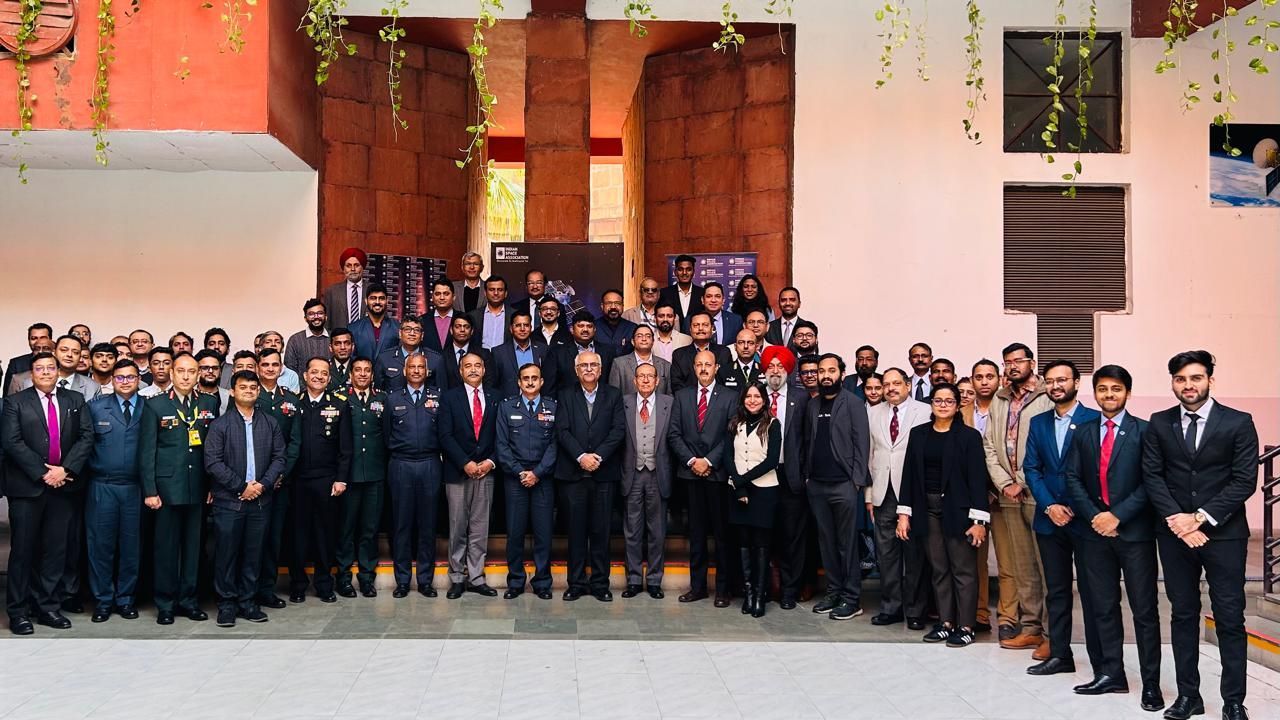
New Delhi | January 14, 2026: India’s defence-space ecosystem moved a step closer to operational alignment at the DSA-ISpA (Indian Space Association) DefSpace Capability Dialogue, hosted on January 14, 2026 at the United Service Institution of India (USI), New Delhi.
According to a post shared by Lokesh Kabdal, Co-founder & CEO of VyomIC, the closed-door industry dialogue brought together 45+ space companies and the Defence Space Agency (DSA) team for direct engagement, an interaction he described as setting the stage for “deeper mission alignment” between industry and the defence establishment.
DSA-ISpA DefSpace Dialogue: From demos to deployable capability
A key takeaway highlighted in Kabdal’s statement was a shift in emphasis: the future of defence-space work will depend less on isolated technology showcases and more on integrated, operational capability at scale.
He pointed to “clarity” in discussions spanning four priority areas frequently referenced in defence-space planning:
- PNT (Positioning, Navigation and Timing)
- ISR (Intelligence, Surveillance and Reconnaissance)
- SATCOM (Satellite Communications)
- SDA (Space Domain Awareness)
In his assessment, the direction was unmistakable, capabilities must be designed and engineered to work together as complete mission systems, not as disconnected solutions.
Spotlight on LEOPNT and contested environments
The dialogue also featured “important discussions” on LEOPNT, which Kabdal described in the context of next-generation positioning and timing systems that can strengthen India’s operational readiness.
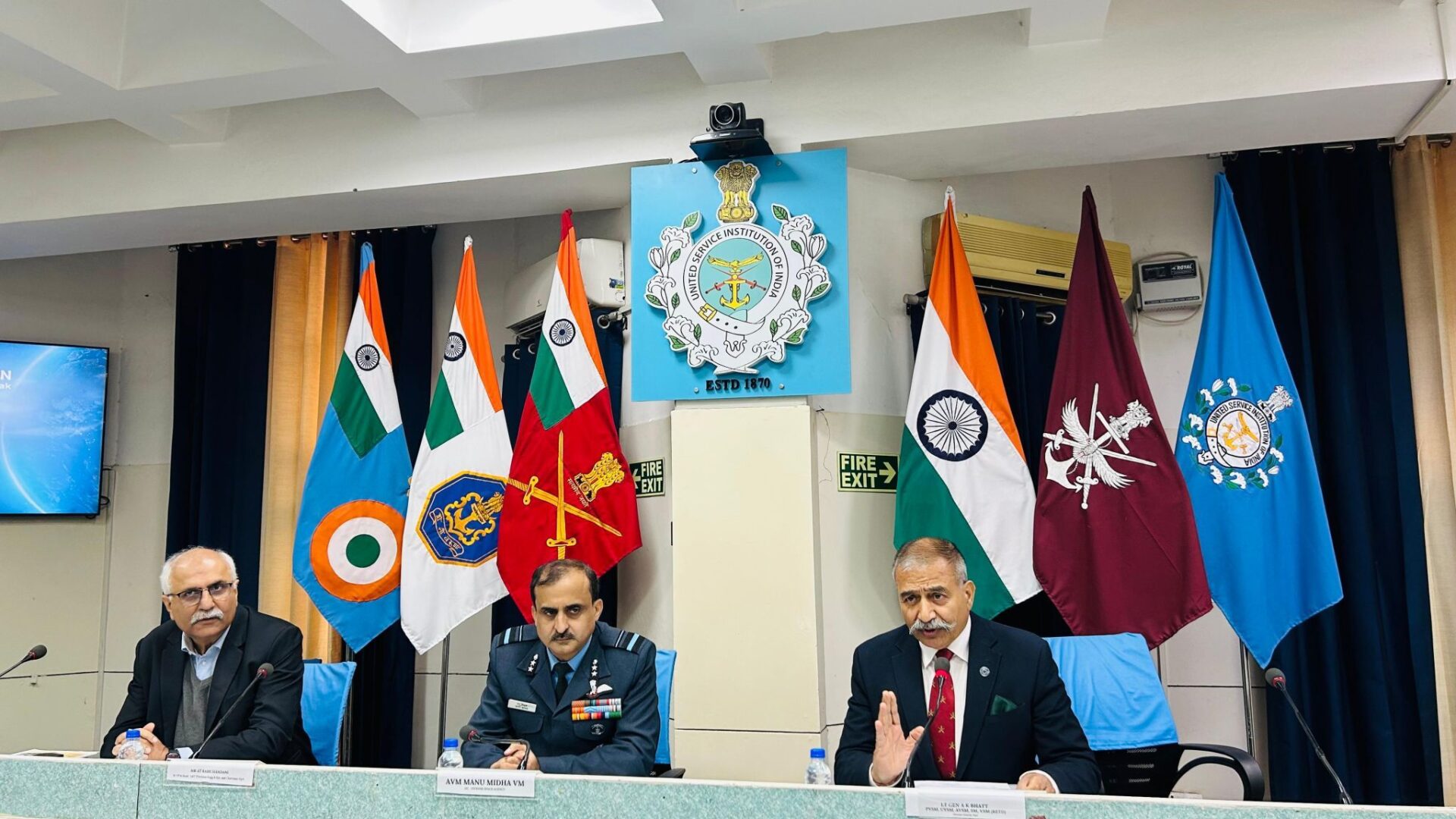
This was specifically tied to NavIC, the regional navigation satellite system developed by India, where he said the ability to have a secure PNT in the future is most important when it comes to challenging regions and environments where it becomes mission-critical.
VyomIC positions its work around sovereign PNT
Kabdal’s post also positioned VyomIC as an active contributor to the emerging thrust on assured navigation and timing. He said the company is building technologies and architectures aligned with the vision of assured, resilient and sovereign PNT for India.
Nothing more has been disclosed to the effect that the company is developing or has developed any commercial or technical specifics regarding particular products.
Industry signals: more structured engagement with defence
Kabdal credited ISpA for enabling what he called a “credible and first-of-its-kind engagement,” and acknowledged the DSA for “openness, leadership, and clear direction” in its interaction with industry.
He concluded by expressing the intent for further cooperation as India grows its defense and space programs because of the general industry sentiment to expect the needs of the defense-space community to fall under the umbrella of mission success.
Also Read: Snack Smart: Troovy’s Rise as the New-Age Nutrition Brand for Kids