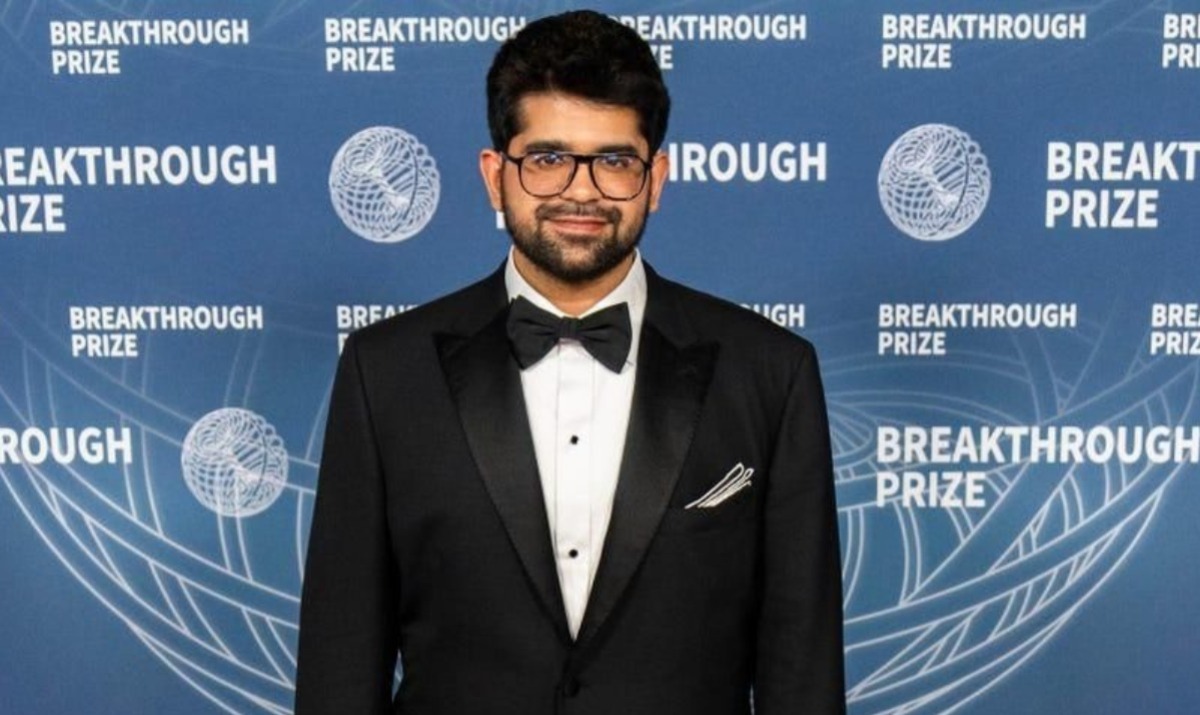
Aravind Srinivas, co-founder and CEO of AI startup Perplexity, says the most important skill a chief executive can cultivate is the ability to live with unresolved issues, what he calls “making peace with problems existing.” As a company scales, he argued, leaders must resist the impulse to fix everything instantly and instead learn to prioritize, tolerate ambiguity, and keep moving.
Speaking at a Dean’s Speaker Series session, Srinivas explained that the mindset underpins Perplexity’s operating style: the team deliberately ships products at “about 80% perfect” and then improves rapidly in the wild, adapting to market signals in a field where the ground shifts weekly. The posture is pragmatic, not cavalier, an acceptance that speed and learning loops often beat polish in fast-moving AI.
Inside Aravind Srinivas’s theory
- Ship, then sharpen: Release when it’s good enough, gather real-world feedback, iterate relentlessly. In a sector evolving at breakneck speed, waiting for perfection can mean missing the moment.
- Risk with a safety net of reality: “There’s really nothing to lose from taking risks,” Srinivas said, framing experimentation as table stakes rather than bravado.
- Customers outrank the CEO: He quipped that while he once felt “unemployable” because he didn’t like being told what to do, he now has a boss, the customers. Their feedback, across platforms, sets the daily agenda.
Fundraising, without the theatre
Perplexity’s investor conversations skip the pitch-deck performance. Srinivas said he writes a memo and invites two hours of open Q&A, pulling metrics on the spot and answering anything investors want to probe. The message: if you trust your numbers and your product, you don’t need slides, just transparency.
Srinivas’s remarks crystallize a playbook many founders practice but rarely name: embrace imperfection, privilege velocity, and let users edit your roadmap. In a world where AI moats are built through distribution, iteration, and data, the discipline of “good enough to learn” can be a competitive advantage, so long as it’s matched with fast, continuous improvement.
Also Read: 2.5 Years Later, A DM to Perplexity CEO Finally Gets a Reply