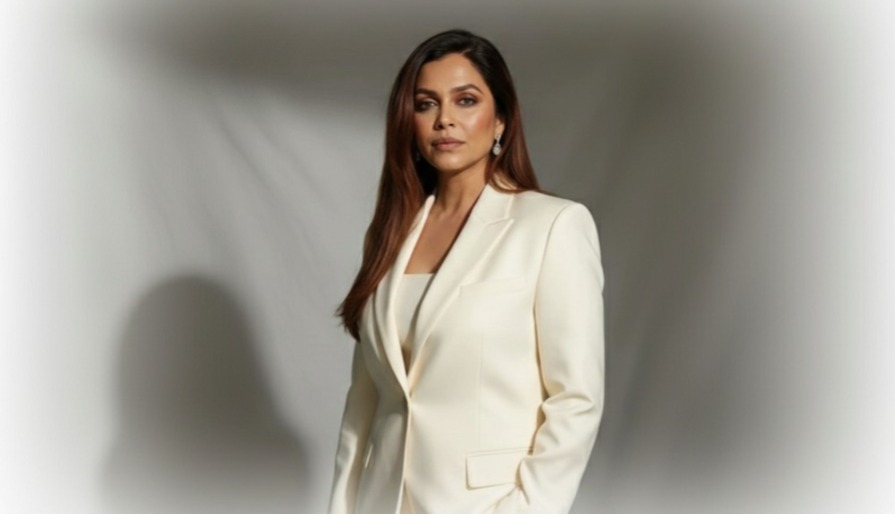
That line from Vandana Tolani, Founder & CEO of Convanto, may sound like an overstatement, until you start looking at the data and the direction India’s consumer map is taking. For years, luxury in India was defined by glossy showrooms in South Delhi, boutique stores in Bandra, and the occasional private trunk show in Bengaluru. But quietly, almost without notice, the heart of India has started beating to a different rhythm.

A jeweller in Dehradun offers a glimpse into this transformation. “My biggest customers this month were a teacher from Haldwani and a pharmacist from Rudrapur,” she said, recounting how both walked into her store with Instagram screenshots of jewellery they had bookmarked online. “They weren’t browsing. They knew exactly what they wanted.” These new consumers represent a quiet revolution in luxury spending, one that is rooted in smaller cities but powered by confidence and connectivity.
Vandana Tolani Defines The New Geography of Luxury
India’s luxury market, valued at around $9.5 billion in FY24, is projected to reach $20 billion by 2030, according to industry estimates. What is remarkable is not just the growth but where it’s coming from. Tier-2 and tier-3 cities now contribute over half of new luxury shoppers in India. Towns like Indore, Surat, and Chandigarh are emerging as hotspots of discretionary spending, outpacing traditional urban centres.
Global and domestic brands are taking notice. French luxury giants like LVMH, Gucci, and Louis Vuitton have seen double-digit growth in India and are expanding beyond metros, opening stores in Ahmedabad, Chandigarh, and Indore. At home, Tanishq and Malabar Gold report that nearly 60% of their high-value sales now come from smaller towns, while premium liquor brands like Pernod Ricard have witnessed growth rates two-and-a-half times higher in non-metro markets.
A joint study by BCG and Vogue Business further projects that India will add 140 million new luxury consumers by 2030, a number larger than the entire population of Japan.
Beyond Wealth: Confidence as the New Luxury
For decades, luxury in India was about lineage and legacy, a matter of inherited privilege. But the new luxury consumer does not wear old money; they wear ambition. This is a generation that buys not to impress others, but to express themselves. “People are buying not to impress, but to express,” Tolani says, capturing the sentiment that defines Middle India’s relationship with luxury.
The teacher from Haldwani buying gold, the pharmacist from Rudrapur choosing a designer watch, or a small business owner in Indore investing in a premium car, they are not motivated by social validation. They are driven by a sense of personal achievement. Luxury has evolved from a symbol of class to a statement of confidence.
Social media has accelerated this evolution. On Instagram and YouTube, luxury is no longer distant. A young consumer in Jodhpur sees the same product launch or styling video as someone in Delhi. With a few clicks, aspiration turns into purchase intent. The smartphone has become the new luxury boutique.
What Fuels This Transformation
Several structural and cultural shifts explain why this phenomenon is happening now. First, digital democratization has broken the monopoly of metros over brand access. Platforms like Instagram, Myntra Luxe, and Tata CLiQ Luxury have made high-end products visible and attainable to consumers everywhere. Second, economic data supports the rise of smaller cities, household incomes in tier-2 markets have grown nearly three times faster than in metros over the past five years, according to the National Council of Applied Economic Research (NCAER).
Cultural shifts play an equally important role. Weddings, festivals, and gifting, long central to Indian life, have become stages for displaying refined taste and status. A diamond set bought in Meerut or a couture saree ordered from Lucknow now carries the same aspirational weight as any metropolitan purchase.
At the same time, homegrown luxury brands such as Ritu Kumar, Forest Essentials, and Nappa Dori have turned “Made in India” into an aspirational label, making craftsmanship and cultural pride part of the luxury conversation.
The Business Imperative: Think Beyond the Metros
For luxury brands, this shift represents both opportunity and challenge. The next phase of growth will come from customers who may live hundreds of kilometres away from flagship stores but are only a tap away online. Over 60% of luxury purchases in smaller cities now begin digitally, underscoring the importance of online discovery and engagement.
Marketers are also learning that one-size-fits-all campaigns no longer work. Regional language content, culturally rooted storytelling, and a sense of local pride are far more effective than English-led advertising built for urban audiences. The winning brands are those that combine prestige with proximity, maintaining the aura of exclusivity while being accessible enough to meet their consumers where they are.
Luxury Is No Longer a Location- It’s an Emotion
India’s luxury narrative is being rewritten, not in glossy malls of Delhi or Mumbai, but in the bustling streets of Surat, the new cafés of Indore, and the wedding halls of Lucknow. The defining emotion of this transformation is aspiration: a confident, digital-first, self-assured desire to own and experience the best.
As Vandana Tolani puts it, “Luxury is no longer about location. It’s about emotion.”
And in today’s India, that emotion is spreading faster than any brand campaign, from the metros that once defined luxury to the heartland that now defines ambition.
Also Read: Zeenat Wangara: The Calm Behind the Curtain of Online Business