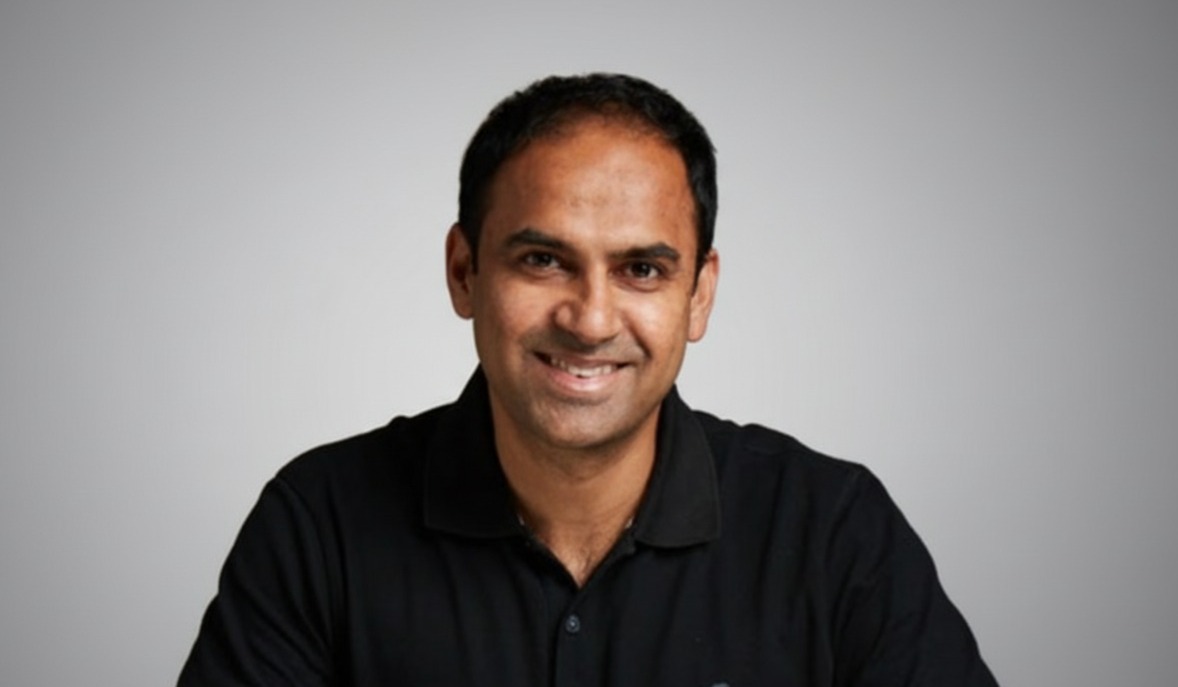
Qure.ai, a Mumbai-based health technology company founded by Prashant Warier, well-known for its ability to interpret medical scans using artificial intelligence. The business is currently concentrating on forging closer ties with the Indian government’s health initiatives. Qure.ai says this shift is essential because public health systems handle far greater patient volumes than private hospitals. Large national programs also create the scale needed for AI-powered screening to make a real difference.
The centrepiece of this effort is qXR, Qure.ai’s chest X-ray interpretation tool that helps detect signs of tuberculosis with high speed and accuracy.
Field-Proven Results at the Maha Kumbh Mela
A major milestone for the company came when qXR was deployed at the Maha Kumbh Mela 2025 in Prayagraj. At the Central Hospital, doctors used the AI tool to quickly screen pilgrims for TB risk during one of the world’s largest gatherings.
The system delivered instant readings and highlighted suspected cases, allowing medical teams to act quickly. This test run showed that Qure.ai’s technology can support overwhelmed health workers even in high-pressure situations where thousands of people need fast screening.
Also Read: Thiel’s Big Exit and the AI Fear Factor: Is the Bubble Finally Bursting?
Evidence Shows Better Detection and Lower Costs
Several independent evaluations have shown that Qure.ai’s tools help detect TB more effectively, especially in areas where trained radiologists are unavailable.
These studies found that qXR improved case detection rates and reduced delays in diagnosis. This is especially valuable in remote regions where TB often goes undetected for long periods. Health technology assessments also noted that using qXR in national TB programs can reduce overall costs. This is a strong argument for scaling the technology in government systems that operate under tight budgets.
Partnerships That Make Expansion Feasible
To support its government-focused strategy, Qure.ai has been working with organisations such as the India Health Fund. These teams help convert analogue chest X-rays into digital formats and streamline the full screening process for frontline healthcare workers.
Qure.ai has also participated in multi-state initiatives supported by international health partners. These projects integrate AI into TB screening, COVID-19 response efforts and community health outreach activities. By collaborating with implementation partners, Qure.ai reduces the barriers that state health departments often face when deploying new technologies.
A Growing Company with Long-Term Plans
Qure.ai has expanded rapidly across global markets and now serves millions of patients every year. It has raised more than 125 million dollars in funding and was valued at around 264 million dollars by the end of 2024.
The company has also indicated that it aims to reach profitability and explore an initial public offering within the next couple of years. Strengthening government partnerships in India is expected to help create stable, long-term revenue streams that support these goals.
Opportunities and Obstacles
AI-enabled screening has the potential to transform India’s TB detection efforts. In many field projects, diagnostic delays that once lasted months were shortened to about one week. This kind of improvement can lead to faster treatment and fewer missed cases.
Despite the promise, several challenges still need to be addressed. AI systems must be integrated smoothly into clinical routines. Hospitals and screening centres need reliable digital X-ray machines, basic connectivity and trained workers. Data privacy and responsible use of patient information are also essential. Continued research and clear evidence will play a key role in convincing state governments to adopt AI screening at scale.
A High-Impact Strategy for Public Health
Qure.ai’s decision to focus on public-sector partnerships has both practical and social importance. India faces one of the highest TB burdens in the world. Technology that can speed diagnosis, support healthcare workers and reduce costs has enormous potential.
The company has shown promising results through pilots, collaborations and field deployments. The next few years will reveal whether these early successes can grow into large-scale, nationwide screening programs that benefit millions.
Also Read: Yubi Raises ₹411 Crore for Global Push, AI Investments