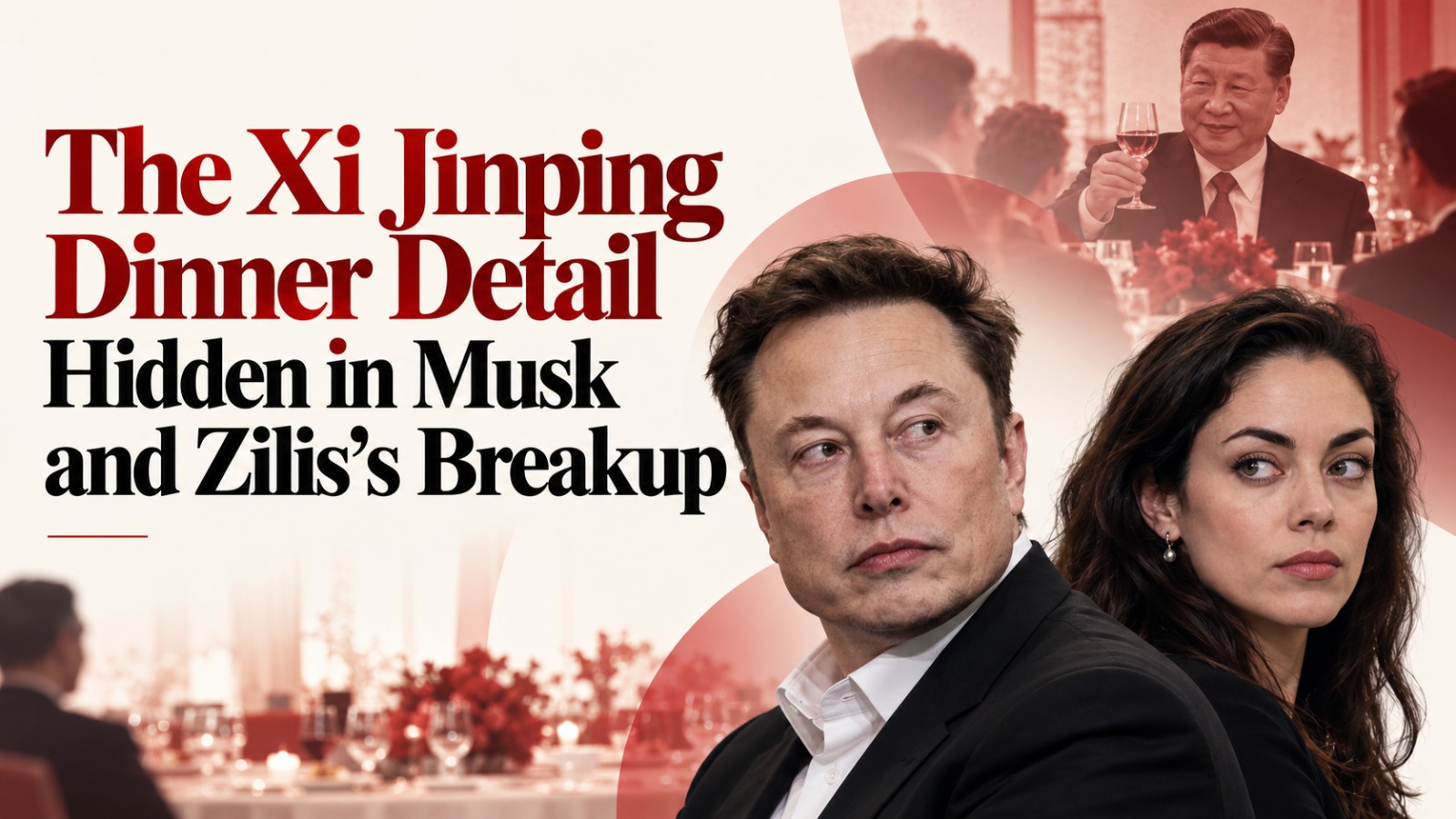
Elon Musk’s reported breakup with Shivon Zilis has drawn attention for its personal details, but one line in a text message shared by Zilis has become the focus of a wider discussion involving Chinese President Xi Jinping, the Pentagon and defence technology company Shield AI.
The detail was highlighted by founder Maiken Paaske in a LinkedIn post, which argued that the episode deserves to be examined beyond the usual celebrity breakup narrative.
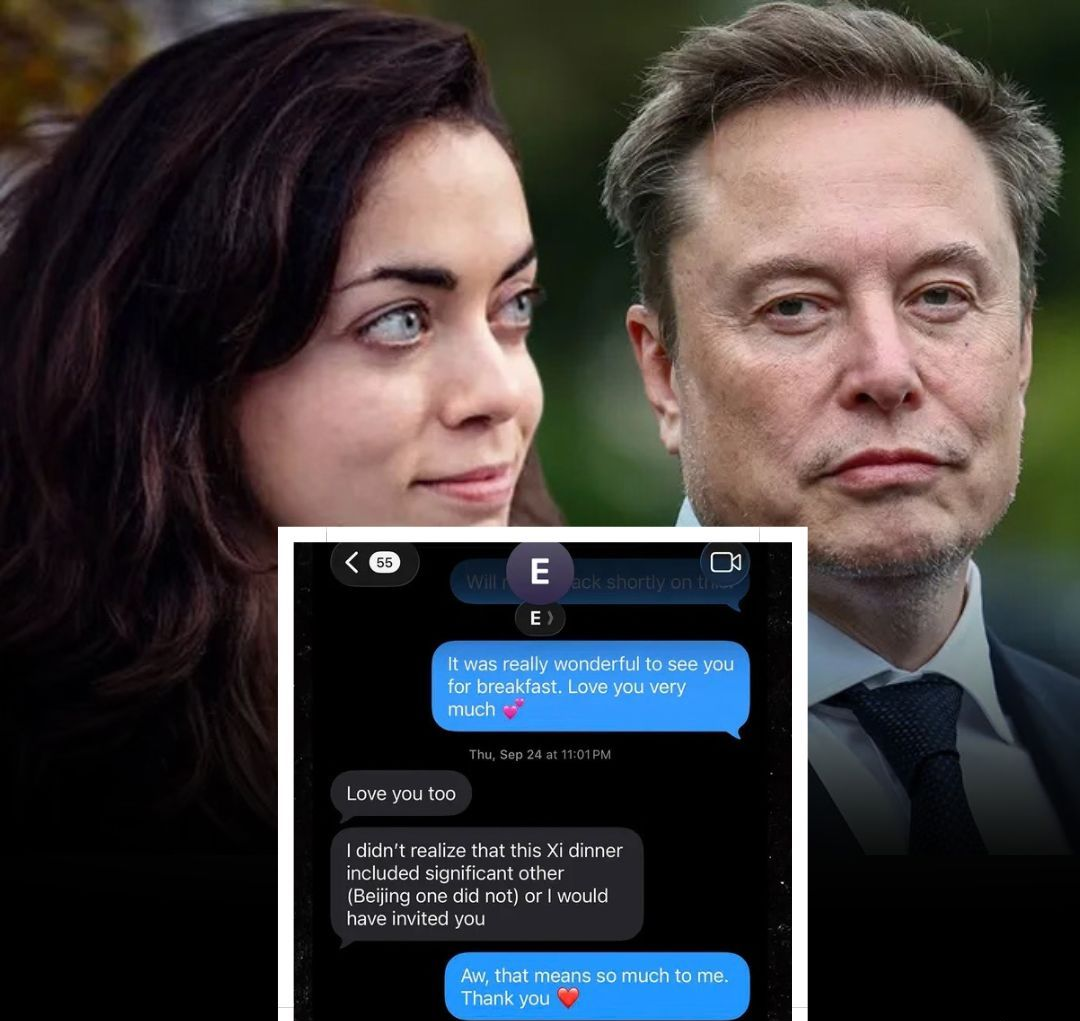
The message reportedly referred to a White House state dinner attended by Musk and Xi on September 24. Musk told Zilis that he had not realised partners were included at the dinner and that he would have invited her had he known.
For Paaske, the decision to share that particular exchange raises questions about the wider professional connections surrounding Musk and Zilis. However, the screenshot does not establish why Zilis chose to publish it or whether she intended to make a political statement.
Why the Xi Jinping Dinner Message Is Drawing Attention
The screenshot contains more than the affectionate language that attracted attention online. It also references Musk’s attendance at the dinner with Xi and his explanation that he had not known partners were invited.
Paaske focuses on the fact that the message publicly places Zilis outside that particular diplomatic gathering. She questions why this detail deserves attention when considered alongside Zilis’s professional positions and the developments that occurred around the same time.
That is an interpretation of the post, rather than an established explanation of Zilis’s intentions. There is no confirmed evidence in the information available that she selected the screenshot to communicate a message about China, Musk or the US government.
Still, the exchange has become a starting point for examining the professional relationships that connect the people involved.
Shivon Zilis’s Roles Extend Beyond Neuralink
Zilis has been closely associated with Musk for approximately a decade. She works in operations and special projects at Neuralink, the brain-computer interface company founded by Musk.
Her professional background also includes OpenAI, where she served on the board from 2020 to 2023. Text messages that emerged during Musk’s legal dispute with OpenAI reportedly showed communications between Zilis and Musk concerning information about the organisation.
Another important connection is Shield AI. Zilis has served on the company’s board since September 2023, according to the details highlighted in Paaske’s post.
Shield AI develops autonomous defence systems, including drones and fighter aircraft. Its work connected to Taiwan’s defence establishment has also put it at odds with Beijing, which has sanctioned the company over its Taiwan-related ties.
These connections span artificial intelligence, technology and defence. They provide context for why Paaske believes the story deserves closer scrutiny, although professional associations alone do not demonstrate wrongdoing.
The September 30 Development: Musk’s Pentagon Role and Shield AI’s Fighter Jets
The timing of two developments on September 30 forms another central part of Paaske’s argument.
Musk was reportedly named co-director of Project Meridian, a 120-day Pentagon study intended to recommend which military capabilities the US should acquire next.
On the same day, Shield AI announced plans to produce autonomous fighter aircraft, targeting an annual output of approximately 150 aircraft by the early 2030s.
The two developments involve separate organisations and activities. Their timing does not establish a direct relationship between Musk’s Pentagon assignment and Shield AI’s production plans.
Nevertheless, the overlap has prompted questions about transparency and the management of potential conflicts of interest when influential business figures have roles connected to government planning and defence technology.
Why Musk’s Government Status Matters
One unresolved issue highlighted in the post concerns Musk’s precise status in relation to the Pentagon.
The information provided in Paaske’s account says the department has not clarified whether Musk is serving as a special government employee or as a contractor.
The distinction matters because different legal and ethics requirements can apply depending on the nature of a government appointment, the responsibilities involved and the person’s relevant financial interests.
However, uncertainty about a person’s classification does not itself establish a conflict of interest. Assessing whether one exists would require more information about the role, applicable rules and any relevant interests or decisions.
The same standard applies to Zilis’s position at Shield AI. Her board membership is a relevant professional connection, but it does not prove that she or Musk influenced defence decisions or acted improperly.
From a Breakup Post to Questions About China and Defence
The timeline identified by Paaske begins with Musk’s reported remarks about Xi on September 23, followed by the state dinner on September 24. It then moves to the Pentagon and Shield AI announcements on September 30, before Zilis’s breakup-related post on October 2.
Paaske sees significance in the sequence because it brings together Musk’s public engagement with China’s leadership, his reported government role and Zilis’s links to a defence technology company.
But a timeline is not proof of causation. The available details do not establish that the breakup was connected to any government or corporate development, or that the screenshot was published for a strategic reason.
What the sequence does offer is a reason to ask clear questions about professional responsibilities, disclosure requirements and the safeguards used when private-sector interests intersect with government work.
What Is Known and What Remains Unanswered?
The central details in the discussion concern Zilis’s professional roles, her reported board position at Shield AI, Musk’s attendance at the Xi Jinping dinner, and the reported September 30 developments involving the Pentagon and autonomous fighter aircraft.
What remains unknown is why Zilis chose that particular screenshot, whether it was intended to convey a wider message, and whether any actual conflict of interest exists.
Paaske’s LinkedIn post offers an interpretation of these connections, not proof of a coordinated sequence of events.
The story therefore extends beyond the personal narrative, but its wider implications need to be handled carefully. The most meaningful questions concern transparency and accountability, rather than assumptions about private motives.
For now, the Xi Jinping dinner message is a detail worth examining in context, not evidence that the events surrounding Musk and Zilis were connected.
Also Read: Toyota Glanza Facelift Teased With 3-Cylinder Engine, Level 2 ADAS