

With the 6th edition of the Khelo India Winter Games 2026 quickly rolling in, the selection procedure for the hosting cities, specifically in the case of ice hockey games, has started to occupy the prominent spot in the Indian winter sports scene as the question has started to be raised regarding the last hosting city for the ice hockey games.
This installment is also anticipated to witness increased representation, with estimates showing 12 men’s and seven women’s teams taking part, a marked improvement from past installments. This also means that the competition schedule will be extended, with questions being asked whether the existing format is adequate for such a massive scale.
Altitude and Competitive Balance
At the centre of the debate is the impact of high-altitude conditions on performance. Ice hockey matches at altitude demand significant physiological adaptation, and athletes competing without acclimatisation face disadvantages related to endurance and recovery.
Sports officials point out that such conditions can inadvertently favour teams accustomed to thin-air environments, raising questions about whether national-level competitions should be held in settings that allow uniform playing conditions for participants from across the country.
Health and Anti-Doping Concerns
The other topic that has been widely debated is athlete health. At higher altitudes, medical care becomes necessary in dealing with the effects of altitude sickness. There are some drugs that athletes commonly use, which fall outside the national and international doping rules. This has become such a grey area for the athletes in terms of accessing medical care.
This has led to calls for venues that minimise medical risk while staying fully aligned with NADA and WADA norms, especially as the Games continue to grow in scale and visibility.
Infrastructure and Accessibility
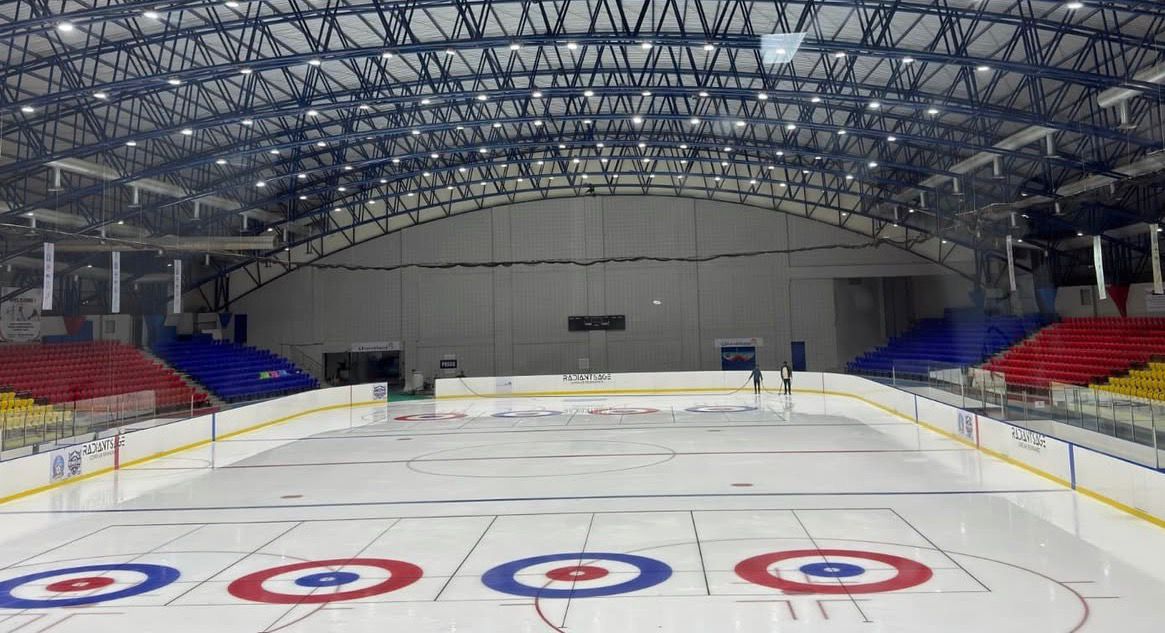
India now has access to a world-class, all-weather indoor ice rink in Dehradun, capable of hosting large-scale ice hockey tournaments irrespective of weather conditions. Stakeholders argue that such infrastructure was developed precisely to enable pan-India participation and reduce dependence on geographically extreme locations.
Dehradun also offers multi-modal connectivity, unlike remote winter destinations that rely heavily on air travel during peak tourist seasons. Frequent flight cancellations, limited seat availability, and high travel costs have previously affected team logistics and scheduling, particularly during winter months.
There are also suggestions that ice hockey and speed skating events could be split across venues, allowing each sport to be conducted in conditions best suited to athlete performance and spectator experience.
Learning from International Practice
Internationally speaking, ice hockey competitions in events such as the Olympic Winter Games and Asian Winter Games are usually held before the opening ceremonies so that the completion of competition occurs before the end events because of its extended game cycle.
Sports organizers feel that implementing a similar scheduling mechanism may assist in dealing with “time constraints, athlete loads, and broadcast planning” in the winter series of Khelo India.
Evidence from Domestic Competitions
There are also recent local competitions that have contributed to this debate. During the Men’s National Ice Hockey Championships staged in Dehradun in June 2025, non-traditional zones posted impressive results. The biggest surprise is that even non-tradition zones reached the advanced levels of the competitival levels of the championship with non-traditional zones attributing this success to non-traditional playing conditions.
This, according to officials, is an indication that with minimized environmental restrictions, Indian talent will be able to compete equal chances. This complements the overall mandate of sports development in India that Khelo India sets forth.
A Broader Question for Khelo India
As the Winter Games enter their sixth edition, the discussion is increasingly about direction rather than location. Should the focus remain on traditional winter hubs, or should the Games evolve to leverage new infrastructure and expand the sport’s footprint beyond a single region?
With ice hockey participation rising and India’s winter sports ambitions growing, decisions taken ahead of the 2026 Games may well shape how inclusive and competitive, the next decade of the sport becomes.
Also Read: PEEYO: How Two Indore Siblings Turned a Simple Idea Into a Growing Drinks Brand















