London-based Scope AI has secured a €17.3 million Series A to bring AI into one of the world’s most inspection-heavy industries, where a four-hour site visit still routinely turns into ten days of paperwork.
There are industries where digital transformation is not a buzzword, it is a matter of keeping a turbine running, a pipeline safe, or an aircraft airworthy. Industrial inspection sits at the heart of all of that, and for decades it has been run on notepads, clipboards, and software that has not aged well.
Scope, a two-year-old London startup, is trying to change that. The company announced a €17.2 million ($20 million) funding round on Thursday, led by Index Ventures, with additional backing from Susa Ventures, Entrepreneurs First, and Syndicate 1. A group of individual investors also joined the round, including Mehdi Ghissassi, formerly of DeepMind and now at Ai71; Cedric Pech of MongoDB; Naren Shaam of travel platform Omio; and Andy Szybalski from Microsoft AI.
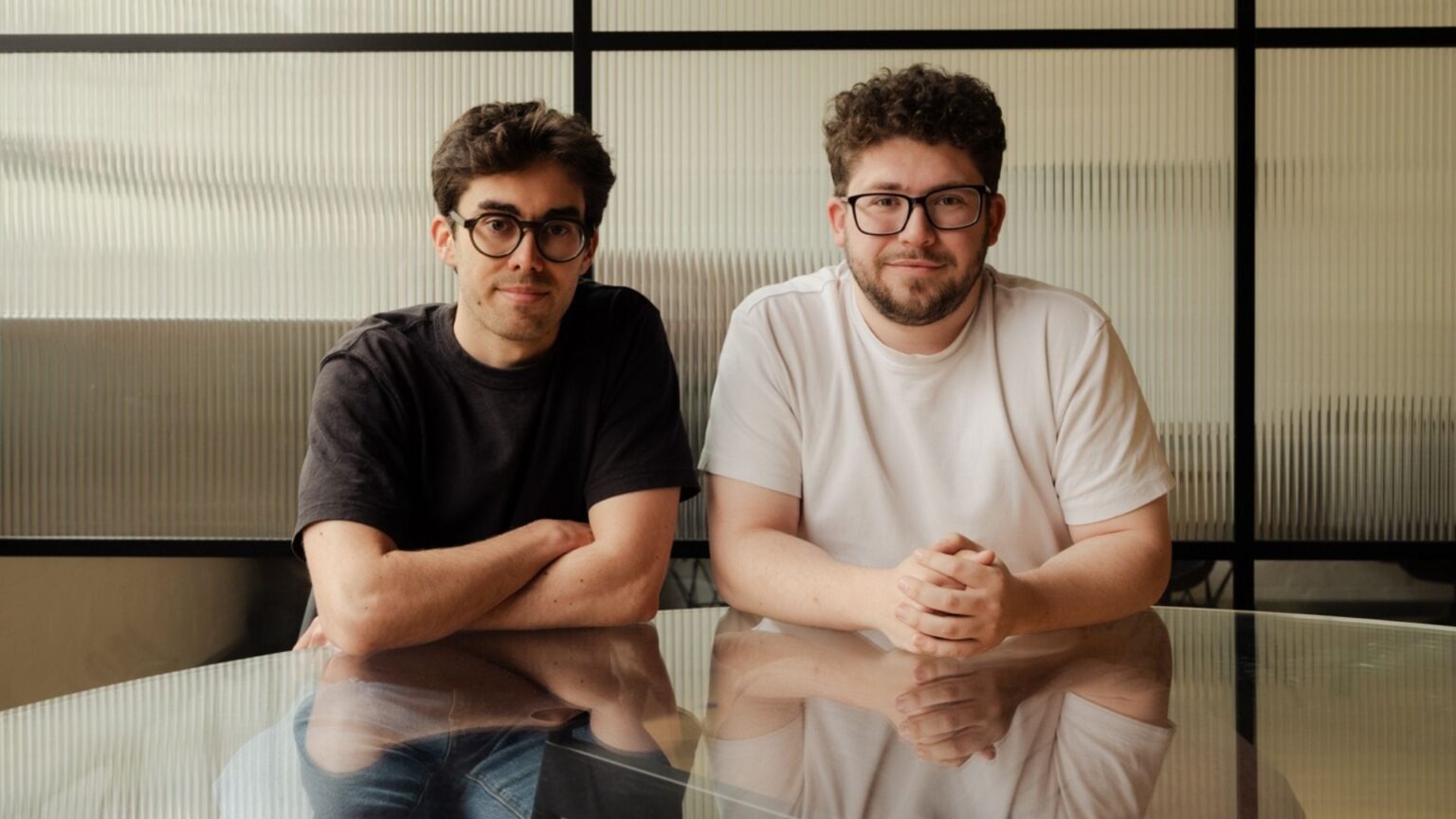
The capital will go toward growing Scope’s London team and pushing its platform into more inspection companies worldwide.
A Very Old Problem in a Very Critical Industry
The TIC sector, shorthand for testing, inspection, and certification, is easy to overlook if you have never worked inside it. It underpins virtually every industry that relies on physical infrastructure: energy, aerospace, manufacturing, shipping, and more. Inspectors go into the field to assess the health of assets, check safety compliance, and collect performance data. Without them, the argument goes, entire sectors would eventually grind to a halt.
The work itself is skilled and time-sensitive. The documentation that follows is neither. Scope points out that a four-hour on-site inspection routinely triggers up to ten days of data analysis and report writing, most of it done using outdated software, or in many cases, typed up by hand from field notes. The ratio is roughly twelve days of desk work for every four hours in the field. That is not a productivity problem. It is a structural one.
What Scope Actually Does
Founded in 2024 by Jonathan Low, who serves as CEO, and Jakob Cassiman, who leads engineering as CTO, Scope is built specifically for heavy asset inspection. The platform allows inspectors to capture findings in the field through live audio, video, or written notes, regardless of what the conditions on the ground look like. From there, the system retrieves relevant historical data, autofills forms, organises findings, and generates the final report automatically.
The company claims the result is a tenfold reduction in report turnaround time and a 95 percent cut in error rates. Those are significant figures for an industry where documentation accuracy can have real safety and legal consequences.
Low explained the thinking this way: the TIC industry does not need AI to replace its experts. It needs AI to free those experts from the administrative load that currently consumes most of their working week.
“Scope gives inspectors the context, workflows and reporting support they need to spend more time in the field and less time chained to desks.”
A Staffing Crisis Is Making the Problem Worse
The efficiency gap is only one part of what Scope is responding to. The TIC industry is also facing a demographic challenge that is approaching a cliff edge. Certified inspection roles take up to ten years to qualify for, and when a vacancy opens, companies are waiting an average of ten months to fill it. That timeline alone is a serious operational risk for any asset-heavy organisation.
Scope estimates that roughly 40 percent of key technicians across the industry are expected to retire within the next five to ten years. The knowledge those inspectors carry, built over decades of fieldwork, does not transfer easily or quickly to the next generation.
Scope’s response to this is to build the platform in two directions at once: increase the output of experienced inspectors who are already on the job, and compress the learning curve for newer ones. Inspectors can enter a new site and be guided through agent-generated workflows, with standardised context and historical data available on-screen from the moment they walk through the gate.
The Numbers Behind the Round
Index Ventures led the round. The firm’s partner Stephane Kurgan, commenting on the investment, said the team’s differentiation comes not from the AI itself, but from the depth of industry understanding that Low and his team have built by spending time on actual inspection sites.
For context: Scope launched commercially in July 2025 and has since reported a ninefold increase in annual recurring revenue. The company also claims a 100 percent pilot conversion rate, meaning every organisation that has tested the platform has gone on to adopt it. Inspectors from six of the ten largest global inspection companies are already using Scope in the field.
Where Is Scope AI Heading?
This long-term objective is more intriguing from an architectural standpoint than what is currently possible with the product. Low’s long-term objective is to make each inspection contribute to a live database of all physical infrastructures, with models containing all the knowledge the world holds about industrial assets.
In practice, that means inspection teams moving away from producing one-off, point-in-time reports and toward giving operators something closer to a continuous feed of asset intelligence: predictive health assessments, early failure signals, and strategically useful insight rather than administrative records.
As Low put it: heavy industrial assets are too critical to manage reactively. The vision is to make physical asset information as accessible and actionable as digital information.
It is an ambitious framing for a two-year-old company, but the commercial traction so far gives it some credibility. The real test will come as Scope tries to move beyond its current footprint and into the broader, more resistant parts of an industry that has historically been slow to change.
Also Read: Vaibhav Suryavanshi’s Rise Is Bigger Than a Net-Worth Number