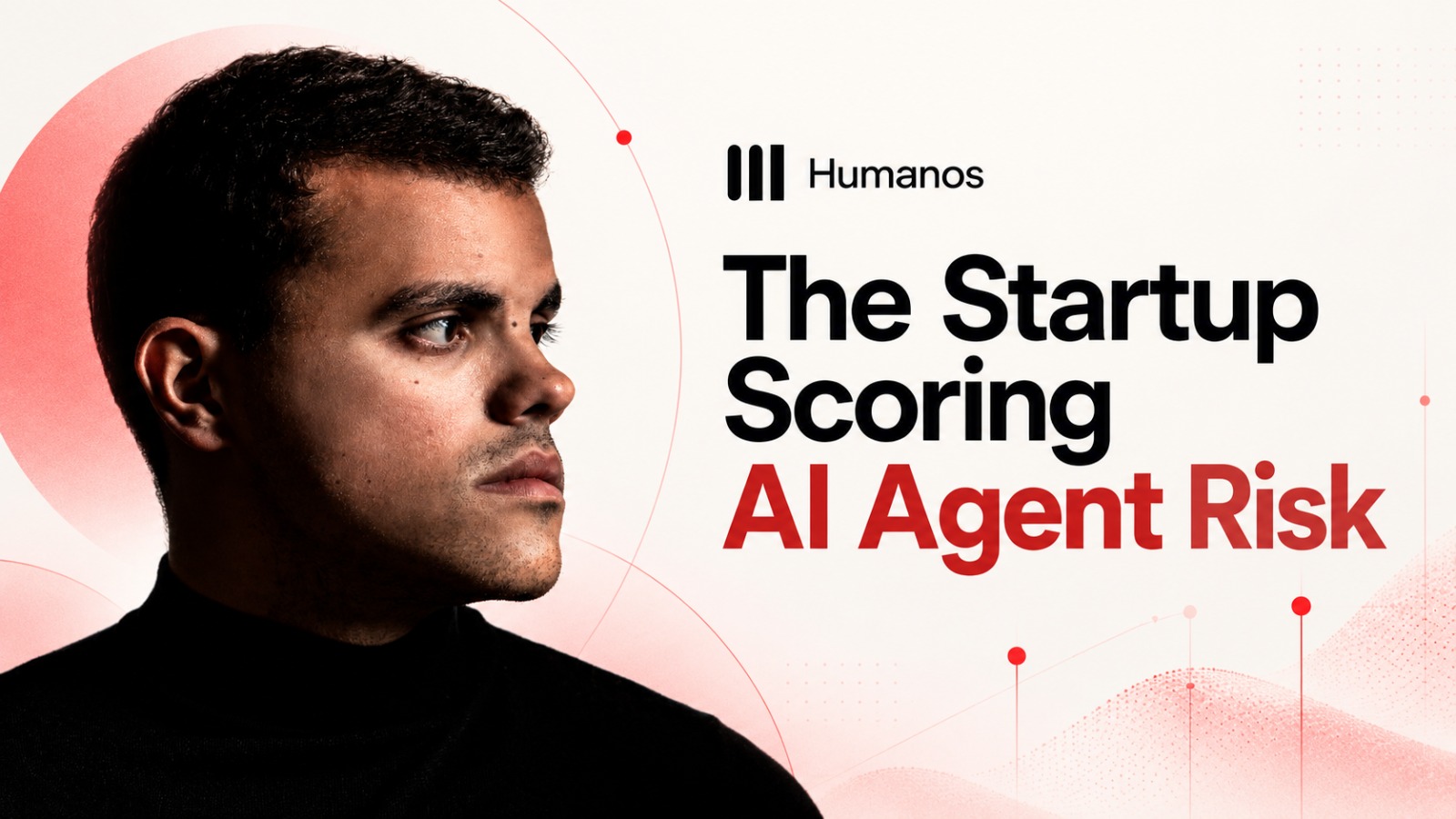
Lisbon-based Humanos is building a continuously updated “risk passport” for AI agents, with the startup betting that an agent’s actual behaviour will eventually shape how much insurance, credit and capital it can access.
As AI agents move from answering questions to carrying out tasks, making decisions and interacting with financial systems, a less visible problem is beginning to take shape: how do you measure the risk of software whose behaviour can change every time it acts?
Lisbon-based startup Humanos is approaching that problem by treating AI-agent risk as something that needs to be monitored continuously rather than assessed once.
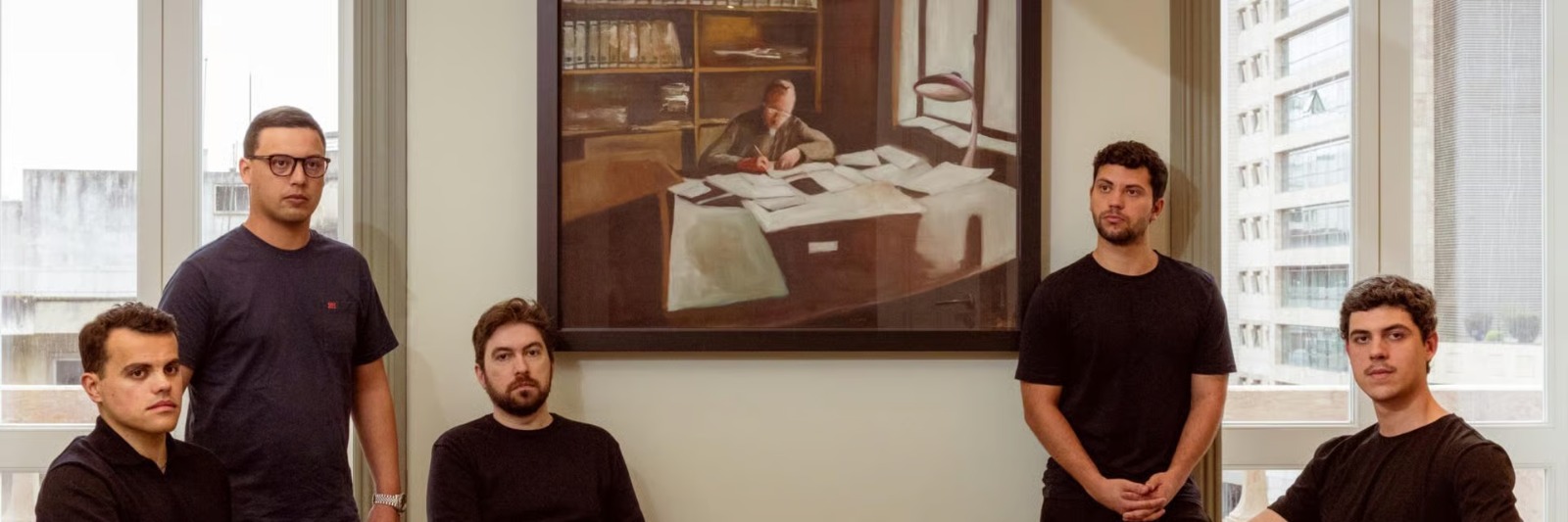
The company has raised $3.2 million in seed funding, with the round led by Anthemis. Springbank, Critical Ventures and Start Ventures also participated, alongside founders of Sword Health, Feedzai and OutSystems.
At the centre of Humanos’ platform is a live risk score assigned to each AI agent.
The score runs from 0 to 100 and can change as the agent operates. Humanos looks at factors including who is behind an agent, what permissions it has been given, its past behaviour and whether its latest activity appears unusual.
An agent taking on greater authority, behaving unexpectedly or failing to follow its rules can push its risk score higher. A lower-risk pattern can move it in the opposite direction.
That constantly changing score is then captured inside what Humanos calls a risk passport.
Rather than being a static assessment, the passport is designed to build a history around an AI agent, including the controls placed on it, incidents linked to its activity and, eventually, the economic outcomes connected to its actions.
The distinction is important to the model Humanos is trying to build.
Traditional insurance risk assessments can be conducted at a particular moment and remain the basis of a policy for a much longer period.
Humanos argues that the same approach becomes harder to apply when an autonomous agent’s context, memory, permissions and counterparties can change as it continues operating.
“Every time an agent acts, the risk changes because the memory changes,” Co-founder and CEO Pedro Andrade said, explaining that an agent could move between authorised and unauthorised activity or interact with identified and unidentified actors.
Turning AI behaviour into something insurers can underwrite
Humanos ultimately wants the passport to help financial providers decide when they are comfortable extending products to an AI agent or the company operating it.
An insurer, lender or capital provider could use information from the passport to determine the circumstances under which it is willing to offer insurance, credit or capital.
That gives Humanos’ technology a role beyond monitoring.
The company is also developing a marketplace through which businesses working with AI agents could access and manage financial products including insurance, credit and yield offerings.
Alongside its risk-scoring infrastructure, Humanos provides guardrails and enforcement tools intended to help companies reduce the risk associated with their agents. Those tools are offered free of charge to companies using the platform.
The startup says its infrastructure is already deployed across more than 350 fintechs, hospitals and insurers, despite Humanos having been founded only last year.
Its early adoption began with an insurance company in Portugal before interest spread through referrals and inbound approaches, according to Andrade.
Humanos is currently working with companies including Insurenow and Harbor, which are looking at insurance for the agentic economy, as well as AI-agent lending startup Agentics Credit and agentic crypto company Owney.
The technology is not being used only in financial settings.
Humanos’ work with Portuguese hospitals has largely involved AI agents that automatically collect patient consent for treatment, giving the company another environment in which agent permissions and behaviour need to be tracked.
Why Humanos chose Anthemis
While Humanos’ current financial customers are mainly technology-focused startups, Andrade said established companies have also been paying attention to the space.
That interest influenced the company’s decision to bring in Anthemis as lead investor.
Marin Cauvas, partner at Anthemis, said the investor believes Humanos could become one of the infrastructure layers supporting the wider agentic economy and the safer deployment of AI.
For Humanos, the funding now provides additional capital to deepen the system behind those ambitions.
The startup plans to use the money to expand its risk data, strengthen its infrastructure and grow its network of financial providers.
It has also set a specific operating target: Humanos wants its platform to have processed $1 billion in agentic economic activity over the next 12 months.
That target points to the larger thesis behind the company.
Humanos believes the economic identity of an AI agent could increasingly be shaped by what the agent can prove about its own behaviour. If that happens, a record of how reliably an agent has operated could affect everything from the size of transactions it can make to the financial products it is allowed to access.
As Andrade put it, verified behaviour could eventually determine an agent’s “economic capacity”, including its ability to obtain insurance, credit and capital.
For Humanos, the opportunity is therefore not simply to sell another monitoring tool. It is trying to create the risk record that financial companies can consult when software itself becomes an economic participant.
Also Read: AEW Star Pac Dies at 40: Benjamin Satterley’s Cause of Death, Final Match and Career