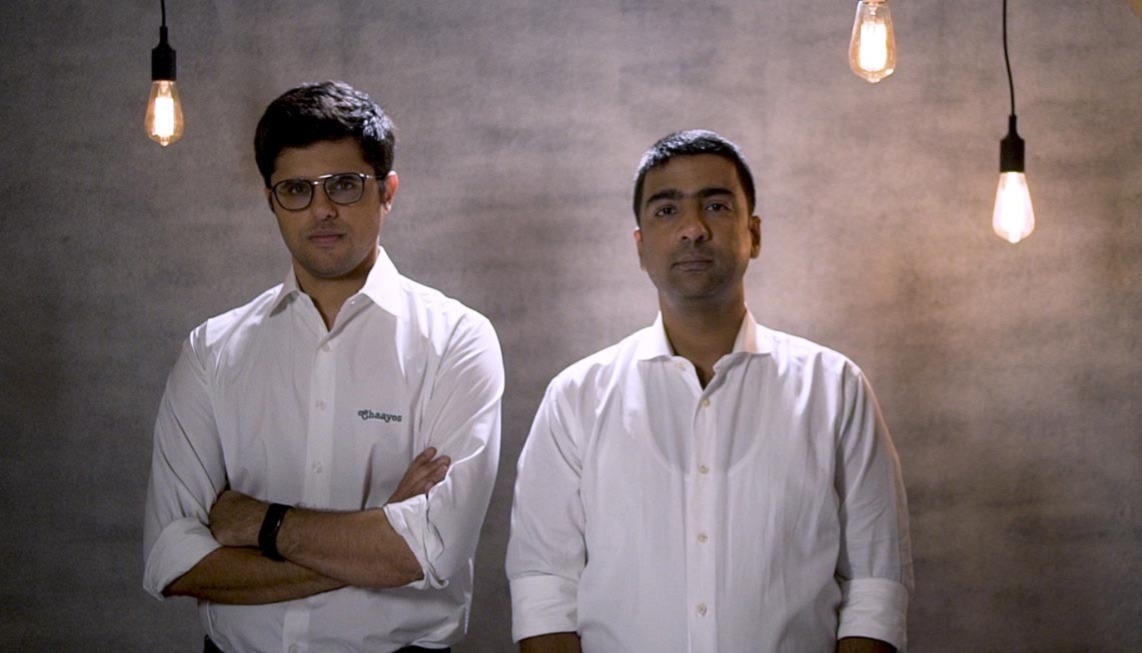
In a counter-intuitive move that challenges the default “spend more on ads”, tea cafe chain Chaayos switched off its paid marketing last year, including digital ads, billboards, Meta campaigns and influencer deals and redirected that money into the guest experience. The result, according to a post by Priten Bangdiwala, is that customer acquisition held at prior ad-driven levels while visit duration, average spend, and repeat frequency improved.
At the heart of the shift: simple, tangible upgrades. Chaayos invested in comfortable seating, better music, ceramic cups, and Wi-Fi that actually works, the kinds of details that shape how long customers linger and whether they return. As Bangdiwala recounts, Chaayos’ VP of Marketing framed the decision plainly: “Marketing can only take you up to a point. Without fixing the brand experience first, nothing works long-term.”
Key takeaways
- Zero paid marketing: All ads, Meta campaigns, billboards, and influencer spends were paused last year.
- Money reallocated to “moments that matter”: Seating, sound, ceramics, and reliable Wi-Fi.
- Acquisition held: New customer inflow matched earlier, ad-assisted levels.
- Better unit economics: Customers stayed longer, spent more per visit, and returned more often.
- Positioning, not protest: This is not anti-marketing; it’s a bet that product experience is the most credible marketing in a noisy ad environment.
What changed inside the stores?
Rather than trimming costs, Chaayos shifted them. The upgrades cited, more comfortable seating, an improved music profile, ceramic cups, and dependable Wi-Fi, target three friction points that frequently erode café-format loyalty:
- Comfort (seating): The difference between a 12-minute stop and a 45-minute stay often starts with the chair.
- Ambience (music, ceramics): Sound and tactile cues shape perceived quality; a ceramic cup subtly signals care.
- Utility (Wi-Fi): “It just works” is the minimum viable promise for guests who read, work, or meet.
None of these line items trend on media plans. All of them register in memory.
Performance without performance marketing
Bangdiwala’s account says that when Chaayos halted paid promotion, customer acquisition did not dip compared to ad-fueled baselines. That is unusual: most consumer brands accept a falloff when paid channels are paused. The difference here, by this telling, was on-premise value, improvements that extended dwell time and nudged ticket sizes and revisit rates upward.
Crucially, this is where the economics can compound. If acquisition holds while retention improves, a store’s revenue base stabilizes and the cost to grow each location falls over time. That dynamic also explains the statement that customers became the advertisers: when people enjoy the visit, they return and they tell others.
What the company says the move is not
“Stopping marketing” can sound adversarial. Chaayos’ stance, as quoted by Bangdiwala, is the opposite: fix the brand experience first so marketing works better and more honestly. In an environment saturated with paid messaging, the claim is that the product is the proof. Ads may drive trial; experience earns trust.
Why this matters beyond Chaayos
Bangdiwala notes that while competitors were spending crores on performance marketing, Chaayos poured those funds into the visit itself. The signal to the wider F&B and retail space is clear:
- Paid media is a tax for weak experience: If spend is the only lever, churn will keep absorbing budget.
- Experience has a compounding effect: Comfort and utility raise both average order value and lifetime value.
- Word-of-mouth remains the most persuasive channel when there’s genuinely something to talk about.
None of this argues for abandoning marketing. It argues for sequence: build the thing worth amplifying, then amplify.
The quote that frames the strategy
“Marketing can only take you up to a point. Without fixing the brand experience first, nothing works long-term.” – Chaayos VP of Marketing, quoted by Priten Bangdiwala
That line isn’t a dismissal of promotion; it’s a prioritization of credibility. In practice, it suggests marketing should be the translator of experience, not the substitute for it.
“Sometimes the boldest marketing move is to stop marketing and start building something people can’t help but share,” Bangdiwala writes. Chaayos’ decision, as described, is a case study in re-weighting the P&L toward memory: cups that feel better, spaces that invite a second chai, and Wi-Fi that keeps meetings going. If acquisition holds steady while retention and spend rise, the brand’s cost to grow falls, and growth becomes more robust.
Also Read: YC in India: Early Momentum and Big Names