

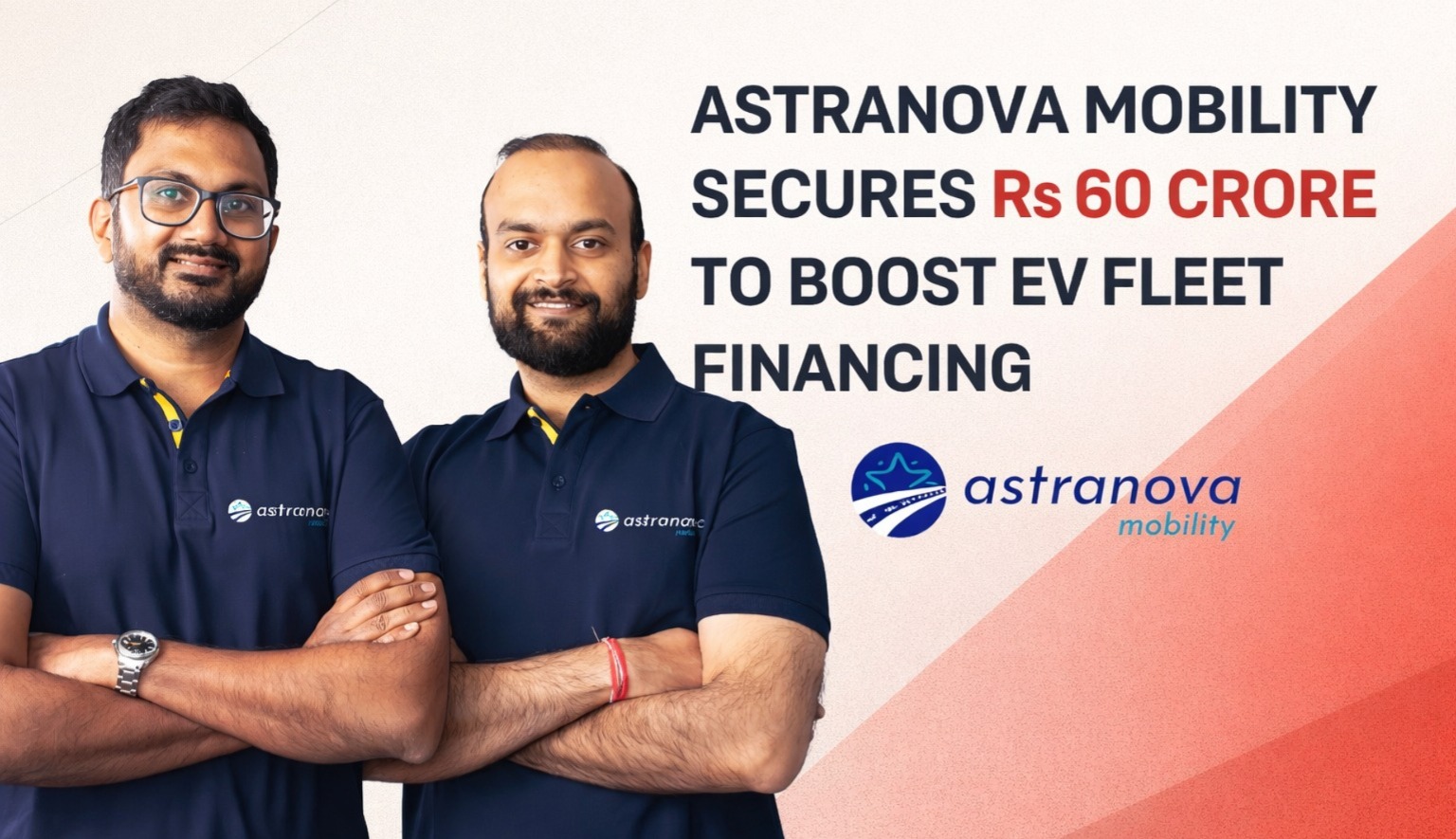
Gurgaon-based electric mobility startup Astranova Mobility has raised Rs 60 crore in a Series A round led by IvyCap Ventures, with participation from the Asian Development Bank, Advantedge Founders and Silicon Valley-based Trucks Venture Capital. IndigoEdge acted as financial advisor for the transaction. The company announced the development on April 10.
The funding comes at a time when financing remains one of the biggest bottlenecks in India’s commercial EV ecosystem. While vehicle adoption has picked up across categories, access to structured capital, leasing support and operational technology is still uneven for fleet operators. Astranova is betting that this gap is large enough to build a serious business around.
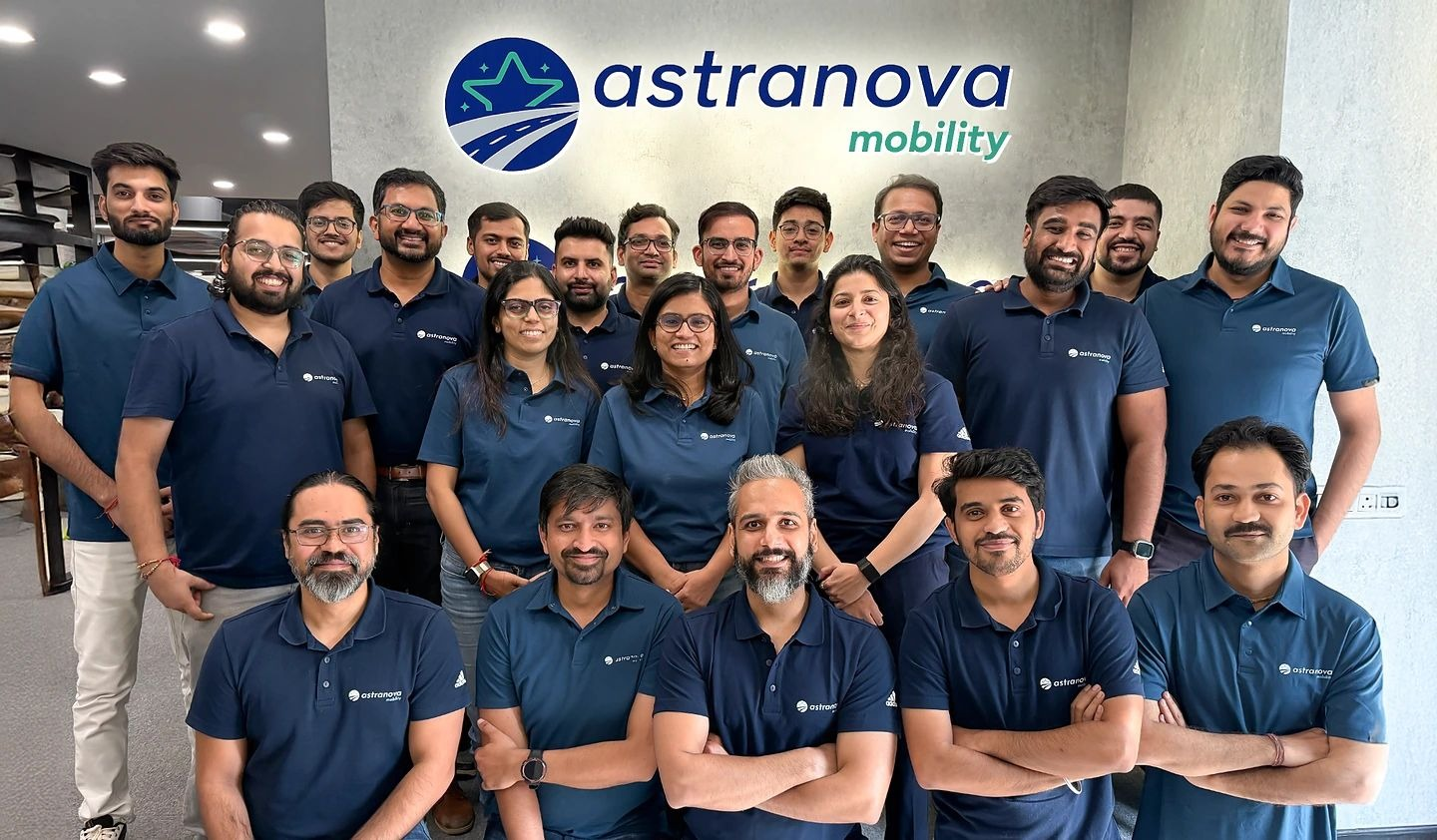
Founded in 2023 by Kunal Mundra with support from Grip Invest, Astranova Mobility operates in the commercial EV segment and offers a mix of fleet-focused services, including leasing, maintenance and fleet technology solutions. It has already enabled more than 25,000 electric vehicles on the road, ranging from two-wheelers to heavy-duty trucks, and has recorded deployments worth Rs 360 crore so far.
This is not capital being raised for a concept still searching for product-market fit. The company is positioning itself as an execution-first player in a sector where adoption depends as much on financial structuring as on vehicle supply.
Astranova has said it wants to scale fivefold over the next 18 months. A substantial part of the fresh capital is expected to go into strengthening its engineering and AI capabilities, with the stated goal of making EV financing faster and more efficient for fleet owners across the country.
The company has also outlined a much larger long-term ambition: deploying $1 billion in electric-vehicle assets over the next four years. In its telling, the partnership with IvyCap Ventures is expected to bring both capital and institutional backing, while the presence of Trucks Venture Capital adds an international mobility-focused investor to the cap table.
Commercial fleet electrification has often been discussed through vehicle sales numbers, but the tougher question has always been who pays upfront, who carries asset risk, and how operators manage uptime after deployment. Astranova’s model appears to sit directly in that problem area.
That makes this fundraise relevant beyond one startup’s balance sheet. If companies like Astranova are able to scale financing and fleet support efficiently, they could help remove one of the structural barriers slowing commercial EV adoption in India.
For now, the facts on record are straightforward: Astranova Mobility has raised fresh capital, it has existing deployment traction, and it is using that base to push for a much larger role in EV fleet financing and technology. Whether it can convert that into the kind of scale it is targeting will depend not on ambition alone, but on execution in a capital-intensive market that rewards discipline more than buzz.
Also Read: Vaibhav Suryavanshi’s Rise Is Bigger Than a Net-Worth Number















