NASA has taken a notable step in human spaceflight by approving personal smartphones for use during a crewed lunar mission. For the first time, astronauts aboard Artemis II are carrying four iPhone 17 Pro Max devices. The decision follows a 2026 policy update introduced under Administrator Jared Isaacman, which allows astronauts to use personal devices to capture high-quality personal moments during missions.
Before receiving clearance, the smartphones underwent a rigorous four-phase safety and hazard review. This process included testing for durability, thermal performance, and functionality in microgravity conditions. Only after successfully meeting these requirements were the devices approved for spaceflight, ensuring they would not interfere with onboard systems or crew safety.
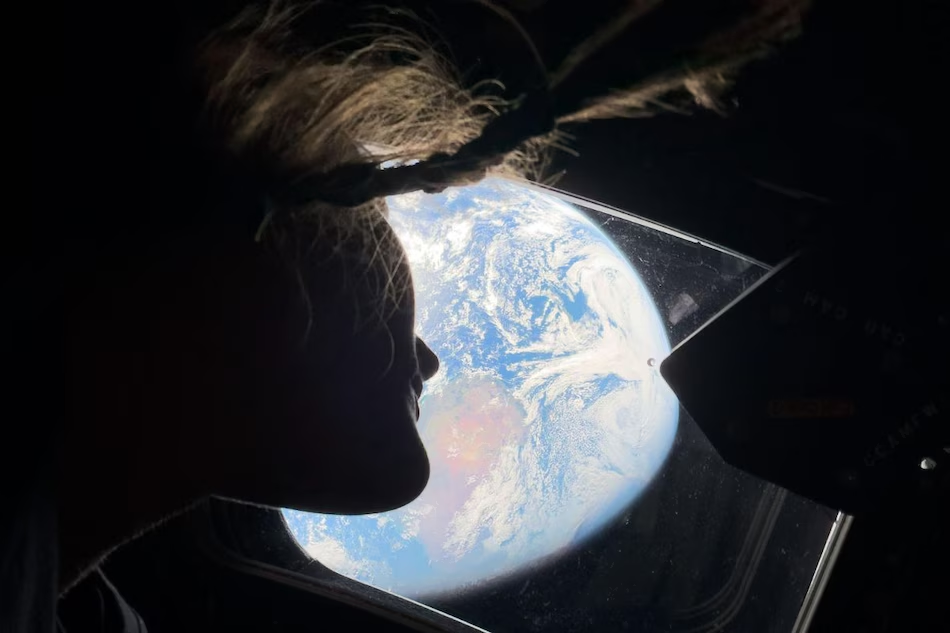
Astronauts Capture Earth from Orbit
NASA recently released a set of images taken on April 2, 2026, offering a rare and personal view from inside the Orion spacecraft. The photographs show astronauts Reid Wiseman and Christina Koch looking out at Earth through Orion’s cabin windows. These images were captured using the iPhone 17 Pro Max, alongside traditional equipment such as the Nikon D5 and the GoPro Hero 11.
The released visuals highlight both the emotional and technical aspects of space travel. While professional cameras remain essential for mission documentation, the use of smartphones introduces a more personal perspective. The clarity and detail of the images also demonstrate how modern consumer technology can perform in extreme environments beyond Earth.
Also Read: Seema Ahuja Signs Off from Biocon After Over 15 Years
A Rare Window to the Moon’s Hidden Side
Artemis II is scheduled to conduct a lunar flyby on April 6, creating a unique observational opportunity for the crew. During this phase, the spacecraft, the Moon, and the Sun will align in a way that allows astronauts to directly view the Moon’s far side. This alignment is expected to last approximately six hours.
The far side of the Moon remains permanently hidden from Earth due to a phenomenon known as tidal locking. As a result, this region has rarely been observed directly by humans. The upcoming flyby will provide astronauts with a clear vantage point, making it one of the most visually significant moments of the mission. At the same time, it represents an important operational phase, contributing to mission objectives and system evaluations.
From Specialized Cameras to Everyday Technology
Space photography has come a long way since the early days of lunar exploration. During the Apollo program, astronauts relied on specialized equipment such as Hasselblad cameras and early Nikon systems designed specifically for space use. These tools were critical for capturing high-resolution images under challenging conditions.
Today, missions like Artemis II use a combination of professional-grade cameras and widely available consumer devices. While tools like the Nikon D5 and GoPro Hero 11 continue to play a key role in capturing mission-critical visuals, the inclusion of smartphones reflects a broader shift in approach.
By integrating familiar technology into space missions, NASA is making space exploration more relatable to the public. The use of devices like the iPhone 17 Pro Max bridges the gap between everyday life on Earth and the extraordinary environment of space. It also highlights how advancements in consumer technology are increasingly capable of meeting the demands of extreme conditions.
A Step Toward More Accessible Space Exploration
The decision to allow smartphones on Artemis II signals a subtle but meaningful evolution in how space missions are conducted and shared. Personal devices enable astronauts to document their experiences in ways that feel more immediate and human. This approach has the potential to reshape how space missions are presented to the public, offering perspectives that go beyond traditional scientific documentation.
As NASA continues its Artemis program, the blending of professional and consumer technology may play a growing role in future missions. The images already released from Artemis II demonstrate that even in the harsh environment of space, modern devices can deliver both technical performance and emotional impact.
Also Read: Dam Good Fish Secures Strategic Funding at Rs 30 Crore Valuation