The Yolk Story: Electricity can alter the evening of a child. An electrified lamp can extend hours of studying, keep people in touch, and lower reliance on dangerous or expensive methods. However, for social enterprises operating in non-electrified regions, the real challenge lies beyond the initial setup process; the problem is who will foot the bill to maintain it?
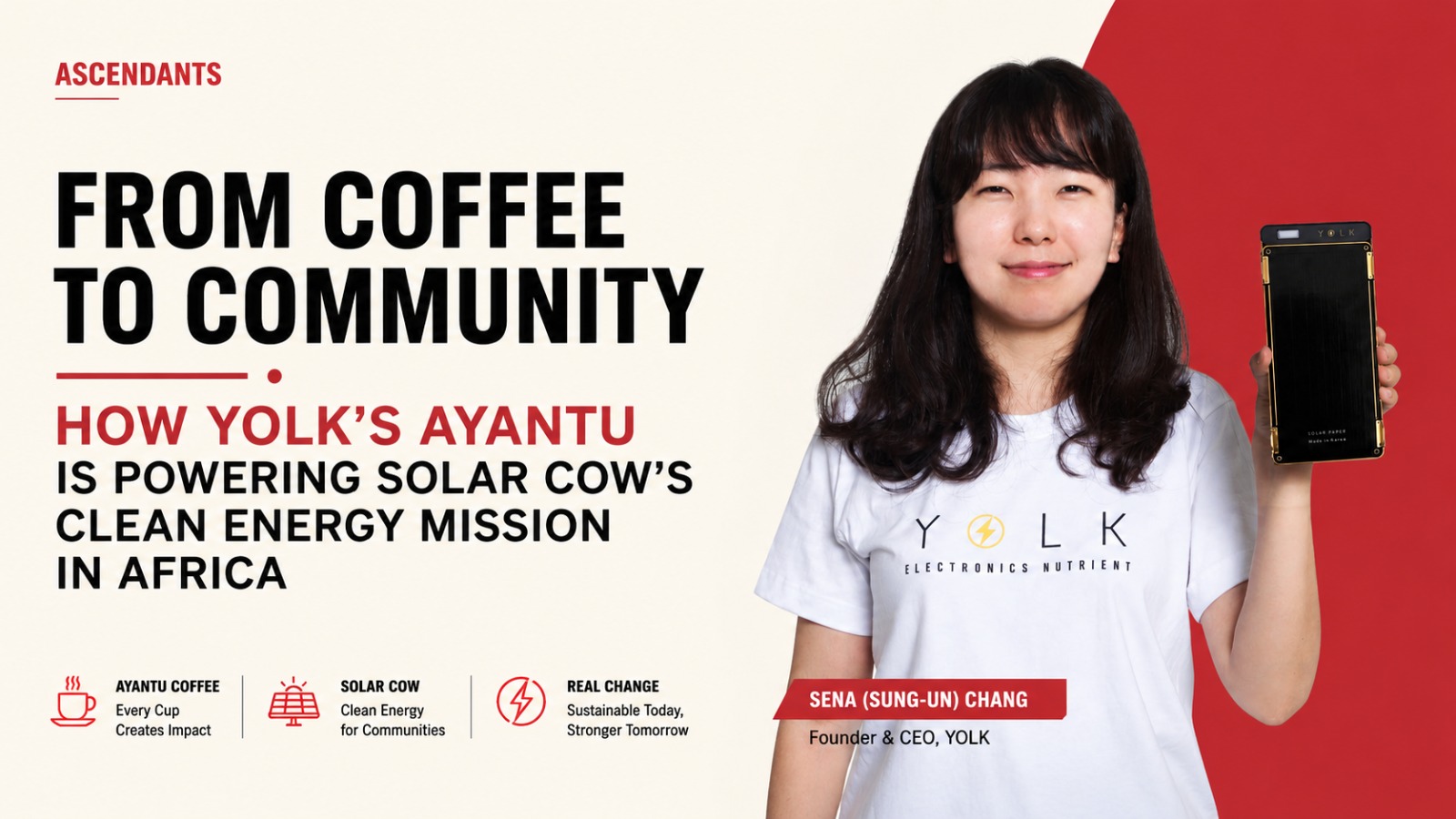
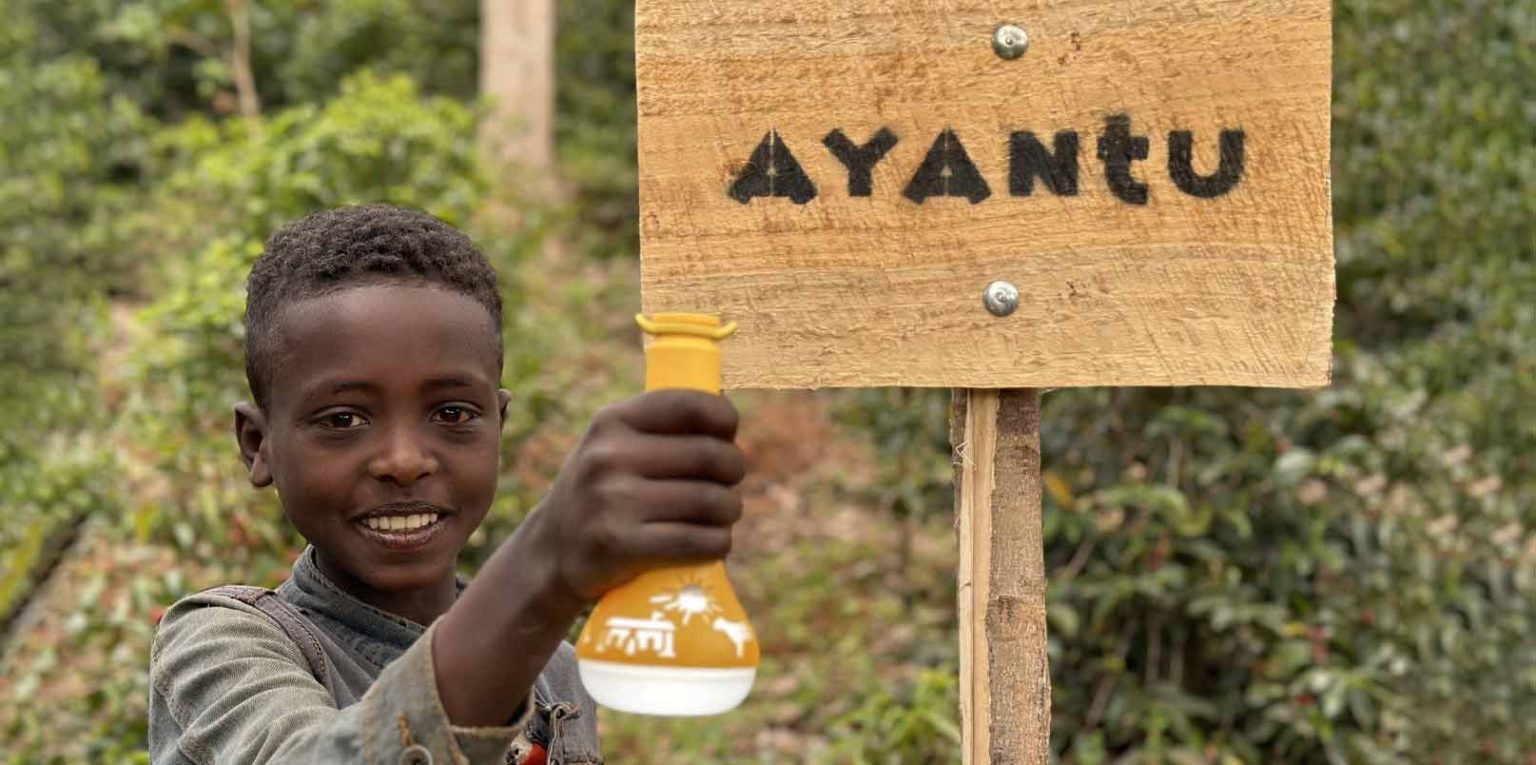
That is the question Korea-based YOLK , founded by Sena (Sung-Un) Chang, is trying to answer through Ayantu, its Ethiopian coffee-linked business model built to support Solar Cow, the company’s school-based clean energy initiative.
Solar Cow has already shown a striking idea in action. The model links children’s school attendance with household energy access by allowing students to charge portable batteries at school and take them home. The project has been tested across Tanzania, Kenya, and the Democratic Republic of Congo, and has received global recognition, including a place in TIME’s Best Inventions and several design awards.
Yet recognition is not the same as sustainability. YOLK’s early expansion included public-backed funding, including a Kickstarter campaign where Solar Milk batteries were offered from USD 28. The campaign crossed its USD 30,000 target within 24 hours, showing strong early interest. But campaign funding, by nature, is temporary. It can prove public support, but it cannot guarantee long-term installation, maintenance, and community operations.
That gap led YOLK to Ayantu.
Ayantu is a specialty coffee brand connected to Ethiopian coffee production. A portion of its revenue is reinvested into Solar Cow deployment and operations. In simple terms, YOLK is trying to turn a routine consumer purchase into a recurring support system for energy access. Founder Sena Chang described the aim as building Ayantu into a brand people can “take pride in consuming.”
The model is ambitious because it asks Ayantu to succeed on two fronts. It cannot survive only as a good cause. It must also work as a real coffee business with quality, distribution, customer loyalty, and repeat demand. YOLK has set a target of reaching 100,000 subscribers for its roasted coffee programme while also seeking larger corporate buyers.
The challenge is clear. Off-grid energy systems need patient, recurring money, while low-income households often cannot pay enough to cover deployment costs directly. Reports cited in the material estimate that closing the global off-grid solar affordability gap requires about USD 3.6 billion annually, while total investment needs for universal access are around USD 21 billion.
Ayantu does not remove that funding gap. But it gives YOLK a different route, one that is less dependent on grants, campaigns, or one-time support. The company has also expanded the Ayantu idea beyond packaged coffee through Ayantu Table, a catering service built around the coffee brand and food offerings.
For Korean social ventures, YOLK’s shift carries a larger lesson. Strong technology may open the door in emerging markets, but it does not keep the door open by itself. Field operations need maintenance, trust, local engagement, and a business engine that can survive after the first wave of attention fades.
Solar Cow’s first phase proved that energy access can be tied to school attendance. Its second phase may prove something equally important: impact does not scale on invention alone. It scales when the business model learns how to stand on its own feet.
Also Read: Vaibhav Suryavanshi’s Rise Is Bigger Than a Net-Worth Number