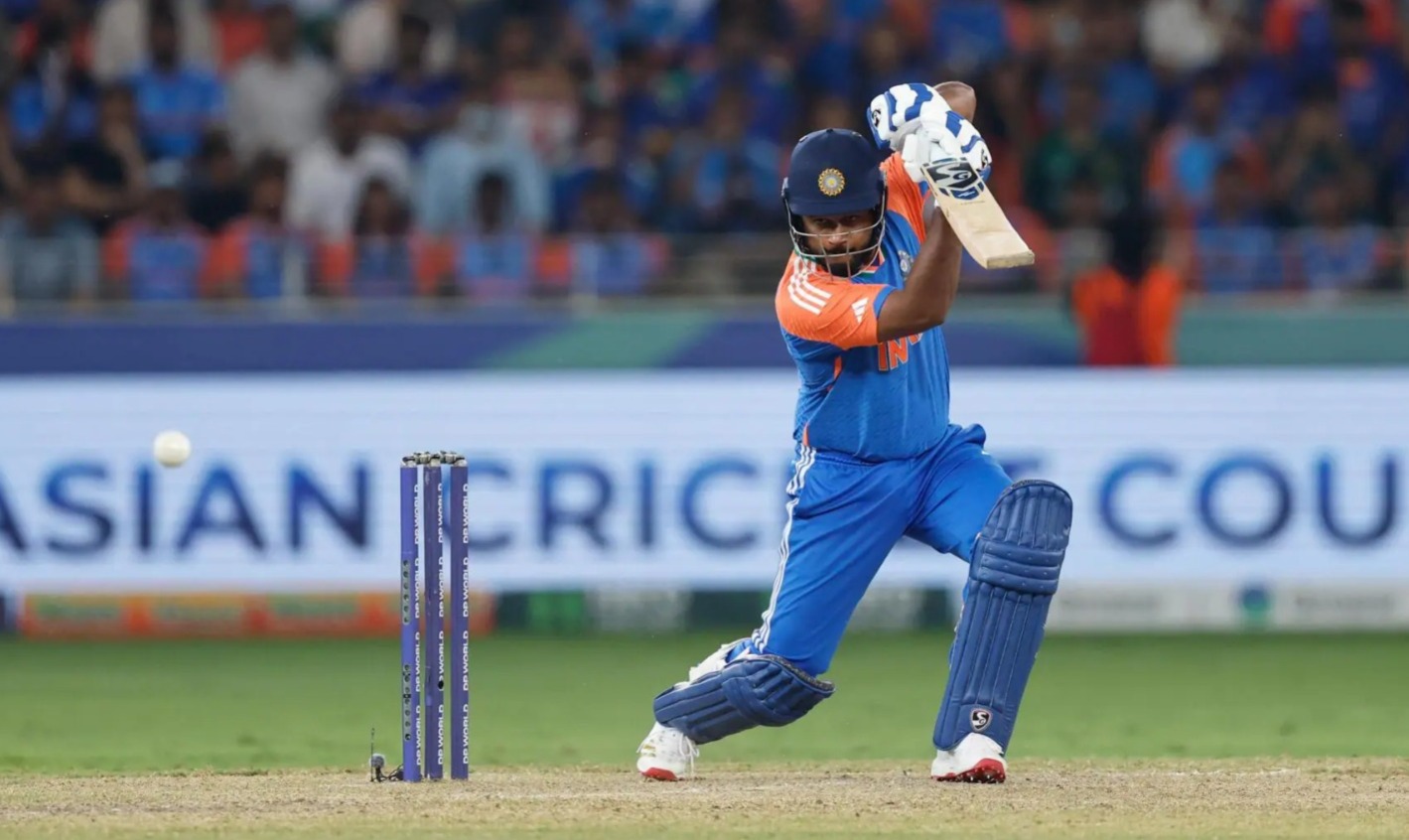
Sanju Samson’s recent run of match-winning performances in the ICC Men’s T20 World Cup has once again pushed him into the spotlight. On the field, the conversation has been about timing, temperament and trust. Off the field, another narrative is gaining attention: the way his income appears to be structured across cricket contracts, endorsements and assets.
Based on information shared in a post by Himanshu Singhal, Samson’s estimated net worth in 2026 is placed between ₹80 crore and ₹100 crore. While such figures are often drawn from compiled media estimates rather than official financial disclosures, the broader picture presented is clear: Samson’s earnings are not tied to a single stream. They are spread across salary, match fees, brand associations and real estate-linked wealth.
Sanju Samson and His Diversified profile
Samson’s IPL salary stands at ₹18 crore following his move to Chennai Super Kings Cricket Limited. Alongside that, he is said to earn ₹1 crore annually through his BCCI central contract under Grade C. These two pillars alone frame a strong base for recurring income, especially in a cricket economy where league deals and national contracts remain the backbone of a player’s financial stability.
The match fee structure adds another layer. The details shared place Samson’s India match fees at ₹15 lakh per Test, ₹6 lakh per ODI, and ₹3 lakh per T20. These are performance-linked earnings, and they matter because they reflect how national selection and game time continue to translate into direct financial value for elite cricketers.
But the sharper signal comes from the endorsement side.
The information provided estimates Samson’s annual endorsement earnings at around ₹6 crore to ₹10 crore. The list of associated brands includes Walkmate Footwear, Haeal Life, Dream11, Single.id, BharatPe, Gillette India Pvt. Ltd, Salpido, PUMA Group and MRF. Seen together, these names suggest cross-category appeal. Footwear, grooming, fintech, consumer identity platforms and sports branding do not usually converge around an athlete unless that athlete offers both credibility and reach.
That is where Samson’s commercial profile stands out.
He does not appear to be positioned around one narrow image. Instead, the association mix points to a player whose brand value travels across everyday retail, mainstream consumer products and sports-facing visibility. In simple terms, it is not just about being marketable. It is about being trusted by different kinds of companies for different kinds of audiences.
The asset side of the picture is equally telling. As per the details shared, Samson owns a luxury residence in Thiruvananthapuram, Kerala, estimated at ₹8 crore to ₹12 crore. The same information also lists a premium car collection that includes an Audi A6, Range Rover Sport, Mercedes-Benz C-Class, and BMW 5 Series. These are high-value possessions, but they also fit a pattern often seen in the portfolios of top athletes: wealth parked partly in lifestyle, partly in long-term tangible holdings.
That balance is what gives the financial story some depth.
Many sportspersons earn heavily during peak years. Fewer are seen to build a financial identity that combines fixed contracts, performance income, commercial appeal and asset ownership in a way that looks measured rather than flashy. Going by the information available here, Samson’s profile seems to reflect exactly that kind of balance.
There is also a larger cricket-business point hiding in this story.
In Indian sport today, a player’s value is no longer defined only by runs, strike rate or selection. It is also shaped by how sustainably that player can convert performance into enduring commercial relevance. Samson’s reported income mix shows the modern athlete model at work: franchise cricket for scale, central contracts for security, endorsements for brand expansion, and real estate for wealth preservation.
That does not make the numbers merely aspirational. It makes them strategic.
For fans, Samson remains the calm batter with the range to change games. For brands, the picture emerging from the information shared is of an athlete with consistency, recognisability and market comfort. For observers of the sports economy, his reported 2026 net worth is less about a headline number and more about what sits underneath it: a layered earning structure that reduces dependence on any one source.
And that may be the most important takeaway from the story.
Cricket still drives the engine. But the engine now powers a wider ecosystem of income, influence and asset creation. In that sense, Samson’s financial profile, as described in the information provided, reads like the blueprint of a contemporary Indian sports star, grounded in the game, but increasingly built for much more than it.
Also Read: Have You Bought Noice Without Knowing It’s Swiggy’s?