India is the world’s third-largest startup ecosystem, with more than 100 unicorns across fintech, e-commerce, logistics, and mobility. Naturally, the public markets looked like the next frontier. For founders, IPOs are supposed to mean validation, credibility, and investor exits. For the public, they promise a chance to buy into India’s new-age growth stories.
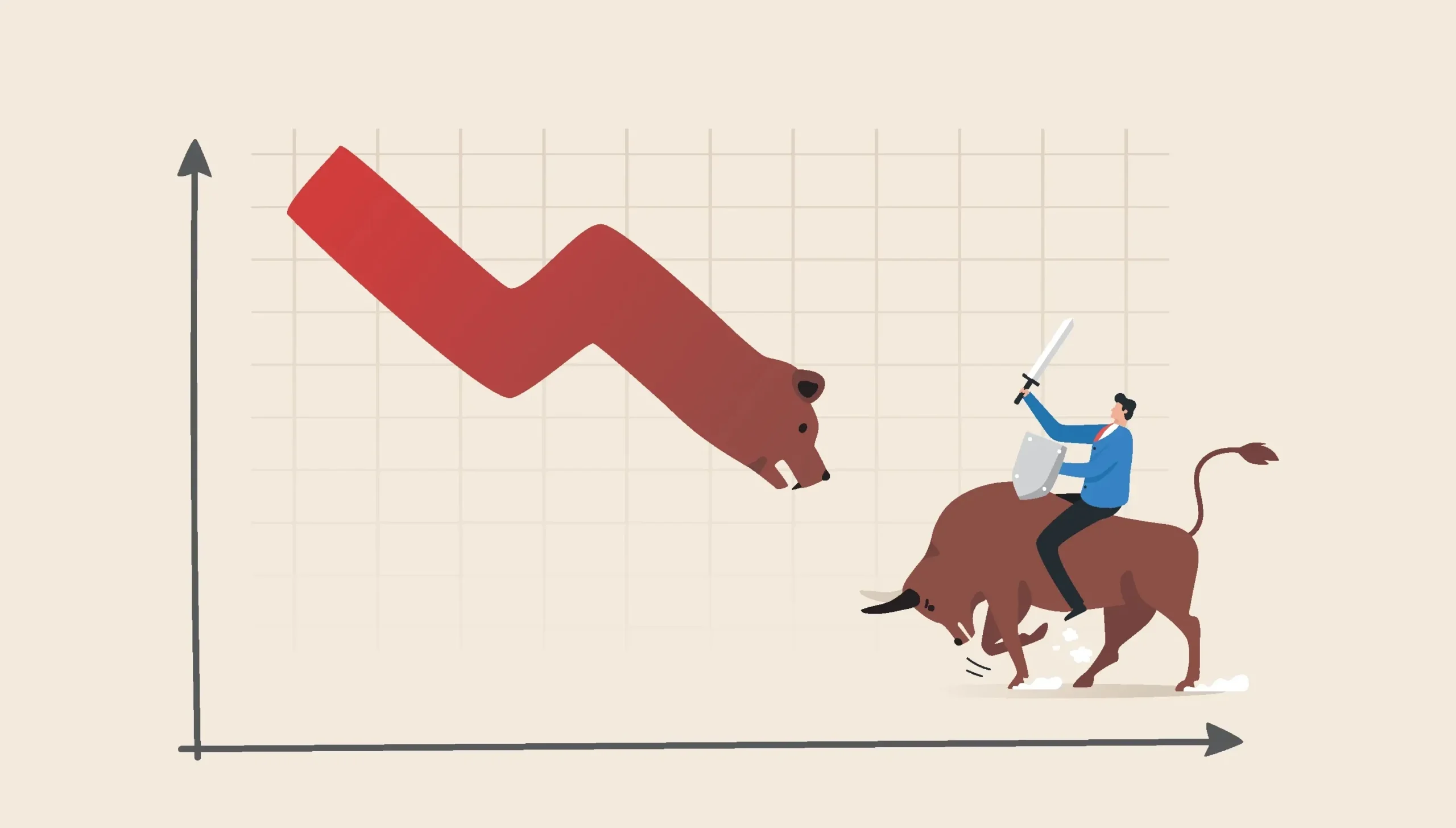
But the reality is far more sobering. Most Indian startup IPOs in the last few years have not lived up to expectations. Share prices have tumbled, valuations have been slashed, and retail investors have been left disappointed. What was supposed to be a golden gateway has turned into what many now call India’s “IPO curse”.
The Numbers Behind the Curse
A recent study of 25 new-age tech IPOs between May 2020 and June 2025 revealed that only 36% of IPO investors made long-term gains. For those who bought in after listing, the success rate was even lower, just 32% earned profits. Pre-IPO investors fared slightly better, with 43% seeing positive returns.
High-profile IPOs have not performed well.
- Swiggy listed at ₹420 per share in July 2024 and has dropped nearly 20%.
- Delhivery, a logistics company, is now trading about 50% below its IPO price.
- Paytm is the most notable case, losing over 70% of its market value within the first year of going public.
On the other hand, a few outliers show what’s possible with the right fundamentals. Zaggle Prepaid Ocean Services is up nearly 169% above its issue price, proving that profitability and transparent reporting still find favor in the markets.
Why Do So Many Indian Startup IPOs Struggle?
The so-called IPO curse is less about superstition and more about structural issues:
- Valuation Disconnect: Many startups raised money in private markets at sky-high valuations. When those same valuations meet the scrutiny of public markets, the mismatch becomes obvious. Public investors want earnings, not just growth stories.
- Profitability Pressure: Unlike venture investors who accept losses for growth, retail and institutional IPO investors now demand cash flow and sustainable unit economics. The era of “grow now, profit later” is coming to an end.
- Shifting Market Sentiment: Interest in unprofitable startups, known as unicorns, has decreased worldwide. In India, the amount raised by startup IPOs dropped significantly from $15.9 billion in 2021 to only $6 billion in 2024. Investors are being more cautious, and startup valuations are under pressure.
- Operational Weaknesses: Many startups lacked strong corporate governance and a clear path to profitability. After going public, they encountered stricter disclosure requirements, quarterly evaluations, and less opportunity to conceal issues.
Insights for Startup Leaders and Backers
The first lesson is clear, hype is not a business model. For startups considering IPOs, here are the takeaways:
- Build before you list. Profitability and strong financial controls must precede, not follow, an IPO.
- Communicate transparently. Public investors respond to clarity on earnings, strategy, and governance.
- Be realistic about valuations. The private market premium rarely translates to the public market.
For investors, the rule is simple: look beyond the pitch deck. Check the company’s revenue, cash flow, and how it compares to competitors before investing in a unicorn IPO.
Rewriting the IPO Playbook for Indian Unicorns
The IPO dream is not over, despite the challenges. India has a sizable and growing digital economy, and many startups will eventually turn into successful public companies. In order to escape the “IPO curse,” unicorns need to shift from seeking exaggerated prices to proving their profitability.
The next decade will focus on long-term growth and trust, whereas the previous decade was about reaching scale at any cost. The right company with focused execution can still succeed on Dalal Street, but initial public offerings (IPOs) won’t be simple wins.