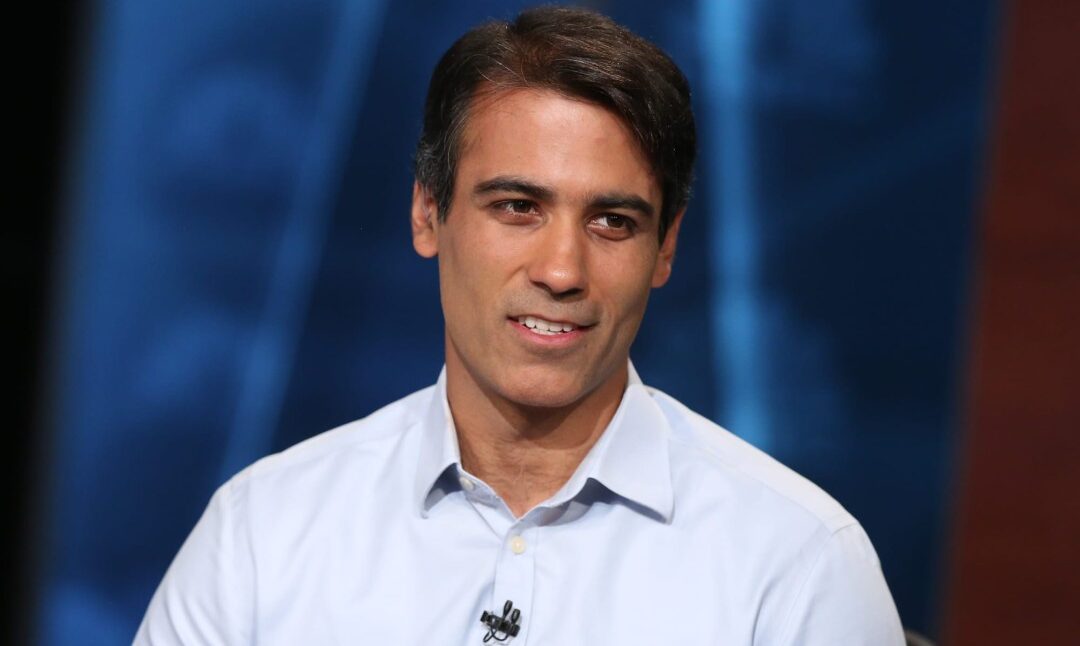
Before Facebook transformed how the world connects, the underlying idea of a university-only social network had already been developed at Harvard University by an Indian-origin student. In December 2002, Divya Narendra envisioned a digital platform that would allow Harvard students to connect through verified university identities. The concept focused on exclusivity, real identities, and peer-to-peer networking within a closed academic community.
Narendra shared the idea with his classmates Cameron and Tyler Winklevoss, who immediately recognized its potential. Together, they launched a project called Harvard Connection, later renamed ConnectU, aimed at becoming a dedicated online network for Harvard students.
Early Development Inside Harvard
To bring the idea to life, Narendra initially worked with Harvard senior Sanjay Mavinkurve, who began writing the platform’s first code. However, after graduating and joining Google, Mavinkurve was unable to complete the project. Development slowed, prompting Narendra and the Winklevoss brothers to seek additional help.
They turned to Victor Gao, a Harvard associate who contributed some programming work and suggested approaching a skilled first-year student known for his coding abilities. That student was Mark Zuckerberg.
A Working Project Shared in Confidence
When Zuckerberg became involved in November 2003, Harvard Connection was no longer just a concept. The platform already included front-end pages, a user registration system, a database, back-end infrastructure, and a method allowing users to connect with one another.
Narendra shared detailed plans and confidential project information with Zuckerberg. Meetings were held at Kirkland House, where Zuckerberg lived. According to Narendra and the Winklevoss brothers, Zuckerberg showed strong interest in the project and agreed to work on it as a partner, choosing equity-based compensation instead of direct payment.
Zuckerberg was given access to private servers, passwords, and the unfinished site’s code. During these discussions, Narendra also outlined plans to expand the network beyond Harvard to other universities.
Also Read: Indian Startups Shut Down in 2025: Top 10 Closures That Defined the Year
Parallel Progress and Growing Concern
In the weeks that followed, Zuckerberg became increasingly difficult to reach. He postponed meetings and cited academic workload in messages and emails. Despite this, he continued to indicate that work was progressing.
At one point, Narendra and the Winklevoss brothers visited Zuckerberg’s dorm room and later stated they saw a whiteboard displaying multiple lines of code labeled “Harvard Connection.”
On January 8, 2004, Zuckerberg emailed Narendra saying he was overwhelmed with work but had made key changes that were working well and suggested discussing the site soon.
Thefacebook Launches at Harvard
Just days later, on January 11, 2004, Zuckerberg registered the domain name thefacebook.com. On February 4, 2004, the website launched. Like Harvard Connection, it required users to have a harvard.edu email address and was designed exclusively for Harvard students.
Narendra became aware of the new site on February 6, after widespread discussion began circulating across campus about a new student-only social network.
From Campus Dispute to Courtroom
Attempts to address the issue internally at Harvard, including discussions with university authorities, did not resolve the matter. Narendra and the Winklevoss brothers ultimately filed a lawsuit accusing Zuckerberg of intellectual property misuse, alleging that the Facebook concept stemmed from work originally created for Harvard Connection.
Zuckerberg denied the claims, stating that Facebook was developed independently and did not use Harvard Connection code.
Settlement and Moving Forward
After four years of legal proceedings, the case ended with an out-of-court settlement in 2008. Zuckerberg agreed to pay a combined $65 million to Narendra and the Winklevoss twins. As part of the agreement, Divya Narendra also received a small ownership stake in Facebook.
The settlement formally closed the dispute, with all parties agreeing to move forward without further litigation related to the case.
Following the settlement, Narendra went on to co-found SumZero with Harvard classmate Aalap Mahadevia. The platform was designed as a centralized, searchable network where professional investors could share investment ideas and connect with peers.
While Facebook continued its rise into a global platform, the settlement marked the conclusion of a long-running dispute over its earliest origins, one rooted in a social networking idea first developed by an Indian-origin Harvard student.
Also Read: How an Indian Engineer Quietly Built Warren Buffett’s $174 Billion Cash Machine