Bengaluru-based Lane plans to use the fresh capital to expand its instructor network, develop its sensor-based driving behaviour technology and build services around first-time car ownership.
Lane, a tech-enabled driving education and mobility platform, has raised ₹8.5 crore in a funding round led by Kae Capital, with participation from DeVC, Antler India, Panthera Peak and prominent angel investors.
The Bengaluru-headquartered company is approaching driver education from an unusual starting point. Instead of treating a driving licence as the finish line, Lane is building its business around what happens before and after a person becomes legally eligible to drive.
One number from the company’s early operations highlights the gap it is trying to address. Nearly 70% of Lane’s customers already held a driving licence when they enrolled with the platform.
For Lane, that figure points to a distinction between obtaining a licence and becoming comfortable and capable behind the wheel.
Founded by Samiksha Agarwal in 2025, Lane says it has delivered more than 30,000 hours of instruction to over 3,100 learners in 18 months. The company developed its safety-focused teaching method through more than 400 hours of pilot classes, with input from automobile researchers.
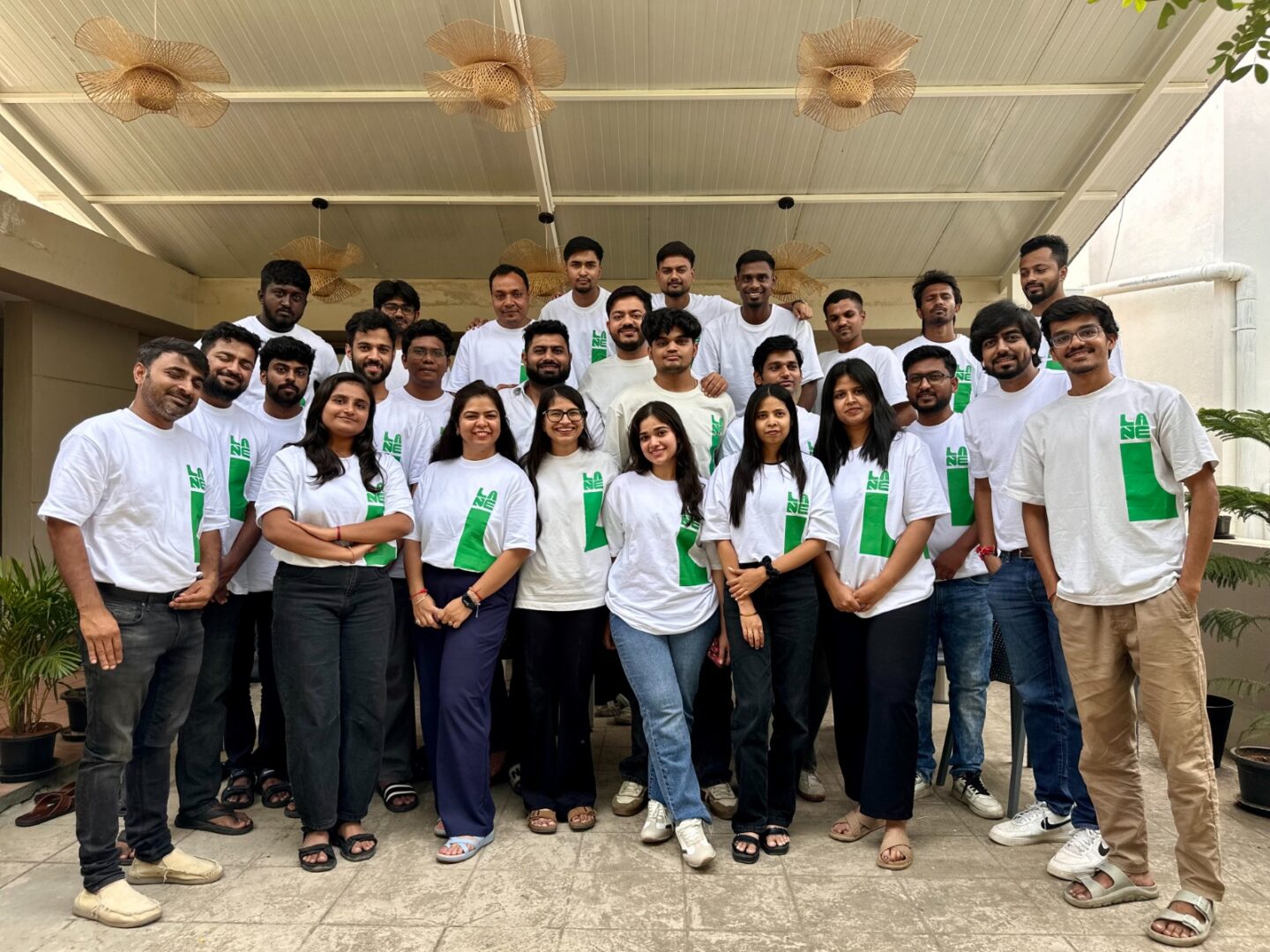
Lane: Building around driver education, not just licensing
Lane’s model focuses on structured driving education rather than simply helping customers complete the licensing process.
The company assesses instructor partners across 15 driving parameters, including simulated lessons, before allowing them onto the platform. Qualified instructors can earn between ₹80,000 and ₹90,000 a month, according to the company, while operating within nearby micro-markets.
Agarwal believes the opportunity extends beyond preparing people for a driving test.
“Every driving school in India chases the same thing: the licence,” Agarwal said. “We’re after something harder and far more valuable, a confident, competent driver. Confidence behind the wheel is a life skill: built once, carried forever.”
Lane’s positioning also comes against the backdrop of India’s road safety challenge. The company states that more than 1.7 lakh people die on Indian roads every year, while India has about 1% of the world’s vehicles but nearly 11% of global road deaths. It also points to the prevalence of informal learning, where people are often taught to drive by family members or friends.
Lane wants the relationship to continue after driving lessons
Driving education is only the first part of the business Lane is trying to build.
The company has started offering services linked to car purchases and RTO requirements to learners. Nearly 60% of its customers have expressed an intention to purchase their first car, giving Lane an opportunity to remain involved after their driving lessons have ended.
“We’re not in the business of repeat enrollments,” Agarwal said. “We’re in the business of building trust that lasts well beyond the last driving class.”
That approach puts driver education at the entrance to a broader mobility ecosystem covering licensing, vehicle ownership and, eventually, data on driving behaviour.
The longer-term bet is on driver intelligence
Lane is also developing what it describes as an AI-powered, automotive-grade system designed to capture information across a person’s mobility journey.
At the centre of the plan is a sensor-based system intended to convert driving sessions into behavioural data and create an evolving driver profile for individual learners.
The company sees potential uses for that information beyond teaching.
For insurers, Lane envisages driving behaviour becoming an additional way to understand risk. For vehicle manufacturers, the system could provide comparable information on how vehicles perform in real-world driving situations. At a broader level, Lane wants behavioural information to help create a more detailed picture of how India’s licence holders drive.
The company cites India as having around 250 million driving licence holders, a market that Agarwal believes has historically lacked consistent, structured driver education at scale.
Sunita Viswanathan, Partner at Kae Capital, said the investor saw an opportunity in the point at which driving education intersects with a person’s wider relationship with a car.
“What convinced us wasn’t just the size of the category, but where it sits in a person’s life, the moment you learn to drive is the moment you start thinking about owning, insuring, and building a life around a car,” Viswanathan said. “Samiksha found the right entry point, and she’s exactly the founder to build from it.”
Where the ₹8.5 crore will go?
Lane has identified three priorities for the newly raised capital.
The company plans to expand its instructor network across Bengaluru and other Tier 1 cities. It will also accelerate development of its proprietary sensor-based driving behaviour system and invest in infrastructure designed to support customers through their first car purchase.
The funding therefore gives Lane capital for both sides of its strategy: expanding the driving education business it already operates and developing the technology and ownership services it hopes will extend the customer relationship beyond the final lesson.
For a company that does not want the driving licence to mark the end of the journey, the next phase will be about proving whether structured driver education can become the starting point for a much wider mobility platform.
Also Read: Wippi raises $1.2 million led by 12 Flags, targets 15,000 families within 12 months