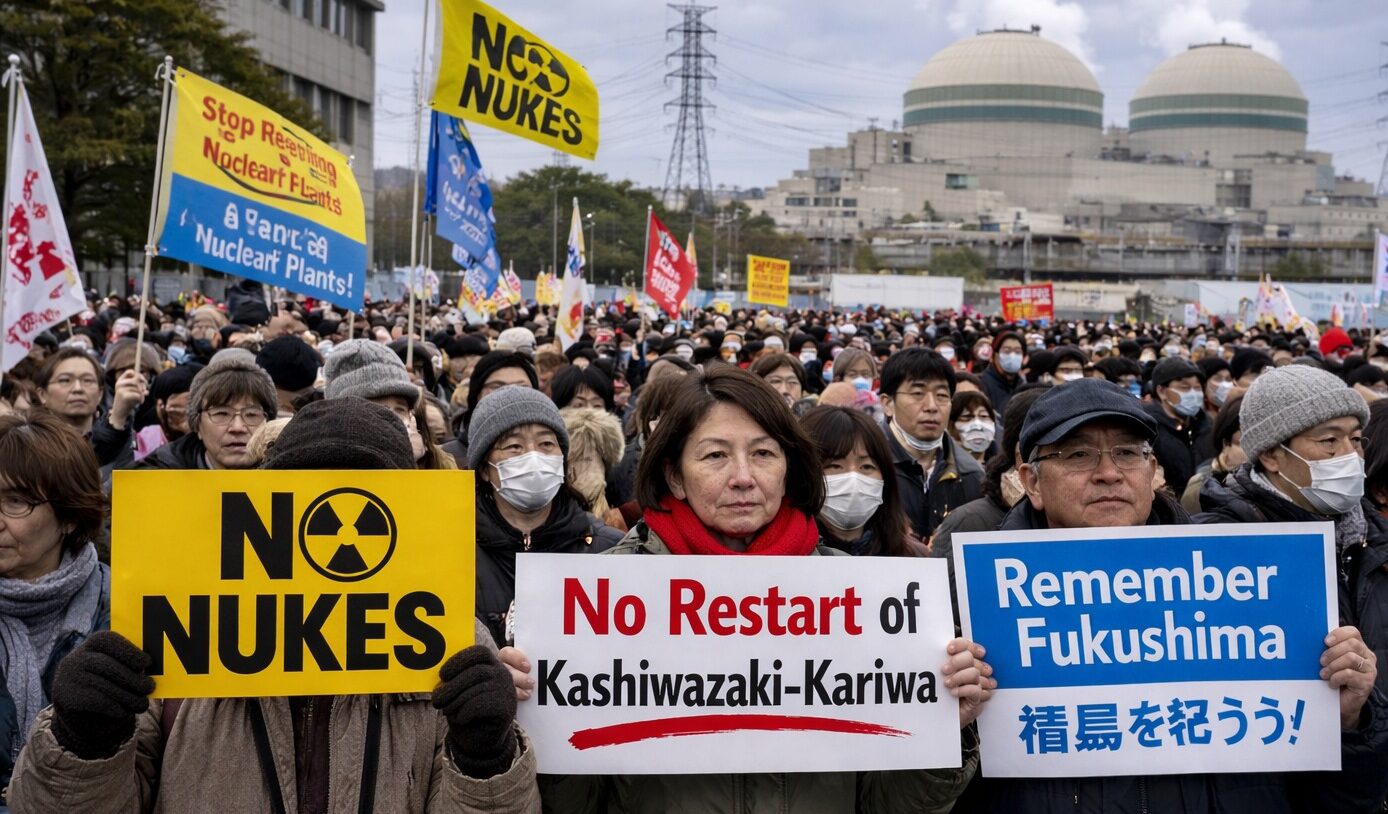
Japan is standing at a turning point in its long and uneasy relationship with nuclear energy. On Monday, the Niigata prefectural assembly is expected to give its approval for the restart of the Kashiwazaki-Kariwa nuclear power plant, the largest facility of its kind in the world. If approved, it would mark one of the most significant steps yet in Japan’s slow return to nuclear power nearly 15 years after the Fukushima disaster shook the nation.
Kashiwazaki-Kariwa sits about 220 kilometres northwest of Tokyo and has remained idle since 2011. That year, a massive earthquake and tsunami crippled the Fukushima Daiichi plant, triggering the world’s worst nuclear accident since Chernobyl. In the aftermath, Japan shut down all 54 of its reactors, bringing an abrupt halt to nuclear energy across the country.
From Total Shutdown to Gradual Return
Since then, Japan has cautiously begun restarting some reactors as it searches for stable and affordable energy. Of the 33 reactors still considered operable, 14 have already resumed operations. The Kashiwazaki-Kariwa plant would be especially symbolic because it would be the first restart overseen by Tokyo Electric Power Co, the same company that operated the Fukushima plant.
With the assembly’s approval effectively secured, TEPCO is now considering restarting the first of the plant’s seven reactors as early as January 20, according to public broadcaster NHK. Company officials say they are committed to ensuring safety and preventing any repeat of past failures, though they have avoided giving firm timelines.
Voices of Opposition Outside the Assembly
Not everyone is convinced. As lawmakers prepared to vote, around 300 protesters gathered outside the Niigata assembly building under cold, grey skies. Many were older residents, holding banners that read “No Nukes,” “We oppose the restart of Kashiwazaki-Kariwa,” and “Support Fukushima.”
As the protest began, temperatures hovered around 6 degrees Celsius. The crowd sang “Furusato,” a song deeply associated with memories of home and belonging. The moment captured the emotional weight the issue still carries, especially for communities that lived through the consequences of the 2011 disaster.
At one point, a protester asked through a microphone whether TEPCO could be trusted to run the plant safely. The crowd answered in unison with a firm “No,” reflecting lingering distrust that has not faded with time.
Also Read: How Bajaj Auto Changed Its Game Plan to Win Brazil Market?
Local Concerns Remain Strong
Earlier this year, TEPCO pledged to invest 100 billion yen in Niigata prefecture over the next decade in an effort to win local support. Even so, skepticism remains widespread.
A prefectural survey released in October found that 60 percent of residents believed conditions for restarting the plant had not yet been met. Nearly 70 percent said they were worried about TEPCO’s ability to operate the facility safely.
Among the protesters was Ayako Oga, a 52-year-old farmer and anti-nuclear activist. She moved to Niigata after fleeing the area around Fukushima in 2011, along with about 160,000 other evacuees. Her former home lay inside the 20-kilometre exclusion zone created after the accident.
“We know from experience how devastating a nuclear accident can be,” Oga said. She added that she still struggles with trauma linked to what happened more than a decade ago and fears facing similar risks again.
Political Backing With Reservations
Niigata Governor Hideyo Hanazumi supported the restart last month, a decision that has drawn both backing and criticism. Even so, he has said he hopes Japan can eventually reduce its dependence on nuclear power. “I want to see a future where we do not have to rely on energy sources that cause anxiety,” he said.
The assembly’s vote on Monday is effectively a vote of confidence in Hanazumi’s stance. If the first reactor is restarted, it could raise electricity supply to the Tokyo area by about 2 percent, according to estimates from Japan’s trade ministry.
Energy Security Drives the Push
Japan’s renewed interest in nuclear power is closely tied to energy security and rising costs. Imported fossil fuels account for roughly 60 to 70 percent of the country’s electricity generation. Last year, Japan spent 10.7 trillion yen on imported liquefied natural gas and coal, nearly a tenth of its total import bill.
Despite a shrinking population, electricity demand is expected to rise in the coming years, driven by the rapid expansion of energy-hungry data centres. To meet future demand while cutting emissions, Japan aims to double nuclear power’s share in its energy mix to 20 percent by 2040.
A Painful Reminder for Many
Energy experts see public acceptance of the Kashiwazaki-Kariwa restart as a crucial step toward meeting these goals. But for people like Oga, the debate is deeply personal. As she joined others chanting “Never forget Fukushima’s lessons,” her message was clear.
“As someone who lived through the Fukushima disaster, I hope no one, in Japan or anywhere else, ever has to suffer from a nuclear accident again,” she said.
As Japan moves closer to restarting its largest nuclear plant, the decision continues to highlight the difficult balance between energy needs, economic pressures, and the lasting human impact of past disasters.
Also Read: Muuchstac: The Relentless Focus Behind a ₹450-Crore Acquisition