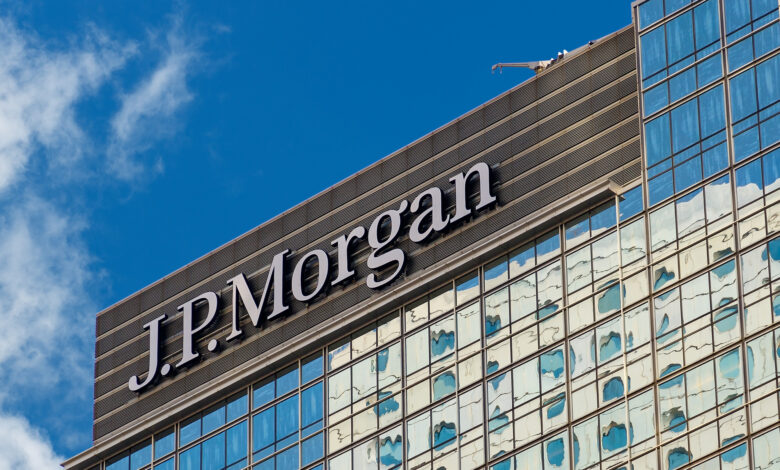
JPMorgan Chase has asked a court to end its obligation to fund the legal defense of Frank founder Charlie Javice, even as she appeals a guilty verdict in the $175 million fraud case tied to the bank’s acquisition of her college-aid startup. The bank argues it has already advanced $60.1 million for Javice’s criminal defense and that the costs have become “patently excessive and egregious.”
A clause in the sale agreement that made JPMorgan responsible for Javice’s legal fees has kept the bank on the hook so far. In its Friday filing, JPMorgan asked the court to cut off further payments while the appeal proceeds and before Javice begins a seven-year prison sentence.
JPMorgan Case: What the bank is alleging about the fee stack
JPMorgan says Javice has “unreasonably” hired five separate law firms, including one that has received $35.6 million, arrangements the bank characterizes as “overlapping, duplicative, and excessive.” A bank spokesperson, Pablo Rodriguez, told Business Insider that the fees sought by Javice and former Frank executive Olivier Amar “are an abuse,” adding that JPMorgan would share details with the court “in coming weeks.” The bank warns it faces “irreparable injury” if the court does not intervene, likening the current setup to a “blank check.”
Javice’s team includes Alex Spiro of Quinn Emanuel, known for representing high-profile clients such as Elon Musk and Kim Kardashian, at a reported hourly rate of up to $3,000.
The case so far
A federal jury in Manhattan found Javice guilty in March of defrauding JPMorgan, which had bought her startup Frank. Prosecutors said she misled the bank about the company to secure the $175 million deal.
For Wall Street, the dispute highlights a growing flashpoint in M&A and executive indemnification: how far fee-advancement clauses can stretch once criminal exposure becomes real. JPMorgan’s move, seeking to halt payments after tens of millions have been advanced, tests where courts may draw the line when defense teams scale up and costs spike during appeals. The bank’s position signals that, even with protective clauses, buyers may contest fee obligations they deem excessive, especially when a conviction has already been returned.
Also Read: What Is Deepinder Goyal’s $25 Million ‘Continue Research’?