

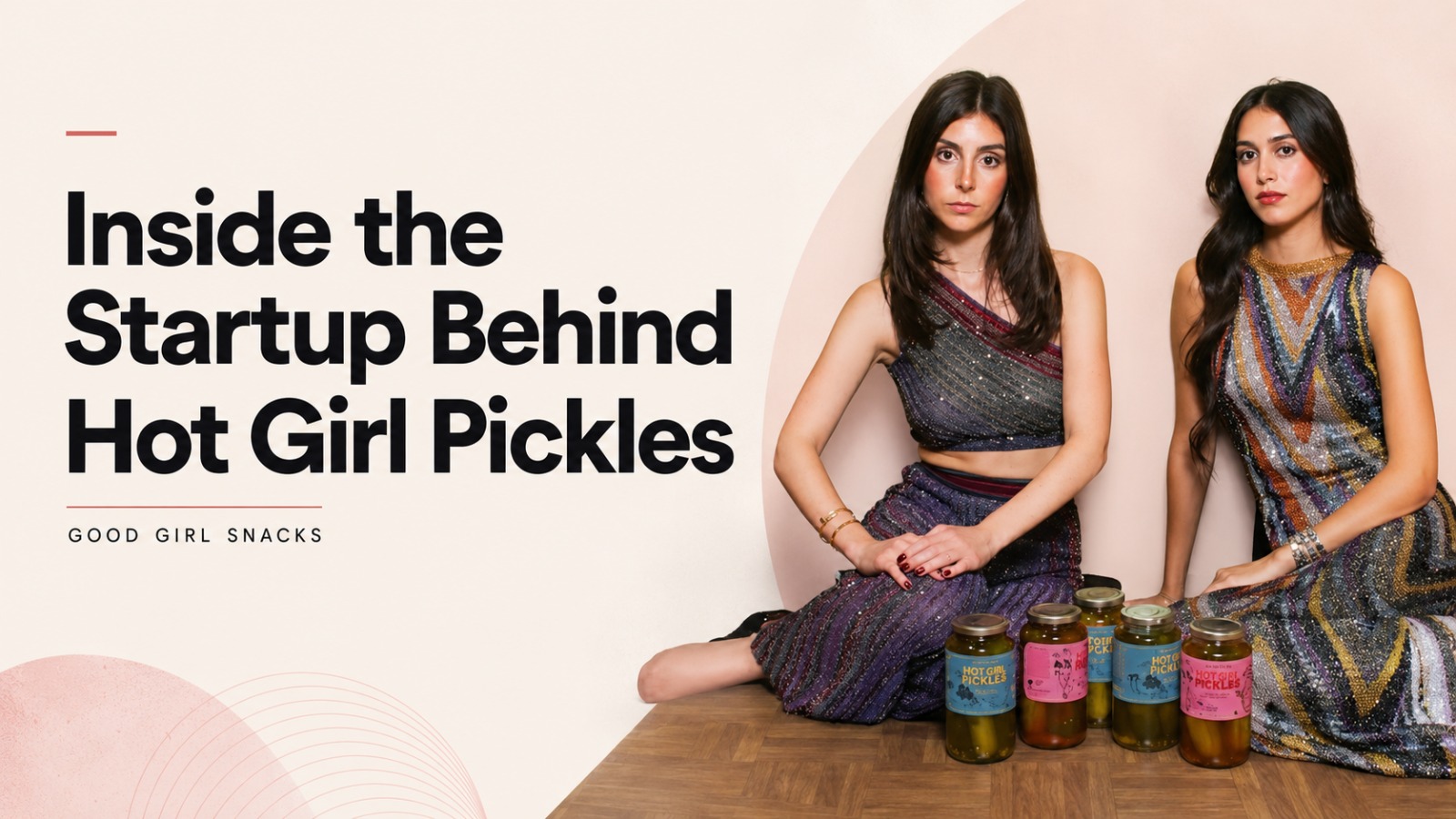
Gen Z founders of Good Girl Snacks, Leah Marcus and Yasaman Bakhtiar built Hot Girl Pickles around bright packaging, self-aware social media and an appetite for turning startup mishaps into part of the brand story.
A frozen shipment of pickles would be the kind of mistake most young food companies would rather forget. For Good Girl Snacks, it became content.
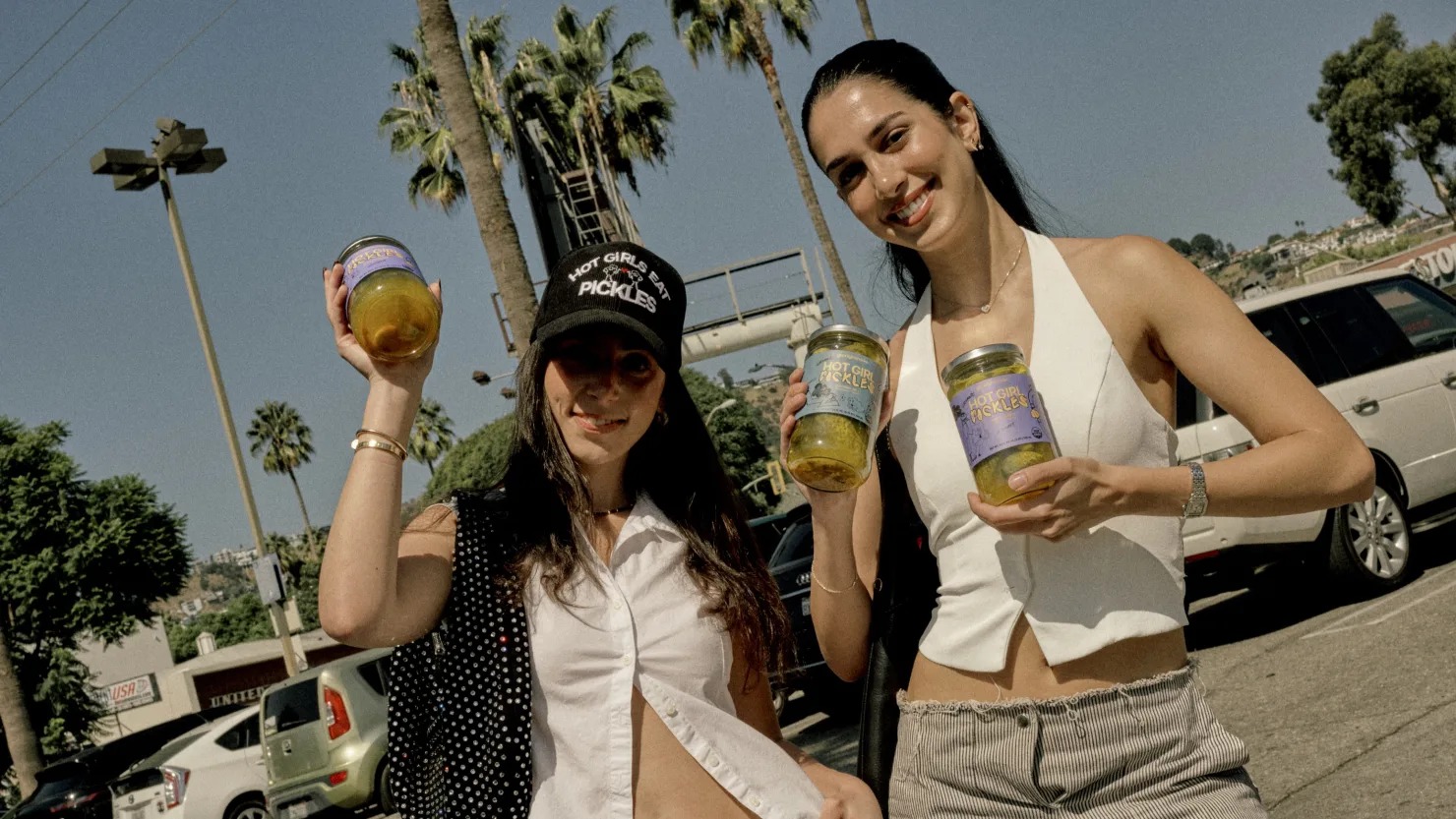
The Los Angeles-based startup’s first inventory order was accidentally frozen during shipping, leaving founders Leah Marcus and Yasaman Bakhitar with 3,000 pounds of thawed, soggy cucumbers that had lost their crunch. Another early shipment was later delayed after a storm in Mexico damaged crops.
Instead of keeping those setbacks behind the scenes, the founders documented them online under a series they called “cucumber gate.”
That instinct to turn the unpredictable parts of building a business into something people want to watch has become central to Good Girl Snacks, the company behind Hot Girl Pickles. The startup is now valued at $8.5 million after raising a $3 million seed round in March, while selling its products online and through retailers including Whole Foods Market and Erewhon. The company has not disclosed its revenue or profitability.
A pickle company built for the social feed
Marcus, 26, and Bakhtiar, 27, did not enter the food industry with a radically new way of making pickles. Their point of difference was branding.
Hot Girl Pickles jars use pink, purple and teal packaging designed to look noticeably different from traditional condiment brands. Online, Good Girl Snacks leans into dry humour, self-deprecation and sarcasm rather than the more polished voice associated with many established food companies.
That approach has helped the brand build an Instagram following of nearly 175,000, according to the founders’ account cited in the report.
The strategy has also produced moments the founders could never have planned.
One came when influencer Alix Earle posted a TikTok about Hot Girl Pickles. The exposure initially came with an awkward twist: much of the video showed Earle struggling to open the jar.
Marcus responded publicly within hours. By the following day, the founders said hundreds of orders had arrived through the company’s Shopify store.
For Good Girl Snacks, even an imperfect viral moment became useful attention.
From sending pickle TikToks to quitting their jobs
Marcus and Bakhtiar met in college and graduated from the University of Southern California in 2022.
By 2023, the two were regularly sending each other TikTok videos about pickles. That summer, they decided to leave their jobs and build a company together.
The timing also shaped the identity of the business. Social-media trends including “Hot Girl Walk” and “Girl Dinner” were gaining traction, helping inspire the company’s naming and branding direction.
The founders sought guidance from people already building consumer businesses, including USC classmates Troy Bonde and Winston Alfieri, co-founders of pasta sauce startup Sauz. They also contacted industry professionals through LinkedIn to learn about funding, logistics and operations.
After raising an undisclosed amount from friends and family, Good Girl Snacks began selling directly to consumers through its website in February 2024.
By the first day of sales, the founders said the brand had already accumulated 24,000 Instagram followers, helped by their decision to document the company-building process before the product formally launched.
Retail became the next test
Only a month after beginning direct-to-consumer sales, Marcus and Bakhitar applied to sell their products through Erewhon and Whole Foods despite having little operating history.
Both applications were approved in 2025, giving Hot Girl Pickles a path to shoppers beyond the audience following the brand online.
That matters because social-media visibility alone does not change the competitive realities of the pickle aisle.
The category still includes long-established companies such as Mt. Olive and Vlasic. Good Girl Snacks is therefore competing not simply for online attention, but for physical shelf space against brands that have been selling pickles for decades.
Its founders appear to be using that difference to their advantage rather than trying to resemble those incumbents.
The broader pickle boom helped create the backdrop
Good Girl Snacks has also emerged at a time when pickle flavours have been attracting wider consumer interest.
Pickle-flavoured snacks generated $518 million in sales between February 2025 and February 2026, an increase of nearly 40% compared with a similar period a year earlier, according to Circana data cited by Conagra.
That growing appetite gives Hot Girl Pickles a favourable category backdrop, but the founders have built the company around more than the product itself.
Their approach rests on making the brand recognizable before a customer even tastes what is inside the jar.
Good Girl Snacks is already thinking beyond pickles
Marcus and Bakhtiar say they eventually want Good Girl Snacks to sell other types of snacks, applying the same branding and marketing approach outside the pickle category.
That could become the larger test of the business.
Hot Girl Pickles has benefited from a product category that fits neatly into internet culture, colourful packaging and an audience already interested in pickle-related trends. Expanding into other foods will show whether consumers are attached primarily to the pickles or to Good Girl Snacks itself.
For now, the company’s growth offers a clear picture of how the founders are trying to build a modern consumer brand: make the packaging impossible to miss, keep the online voice recognisable and never waste a good mishap.
Even 3,000 pounds of ruined cucumbers can become part of the story.

















